 Everett
 Siding in the Delta Neighborhood of Everett
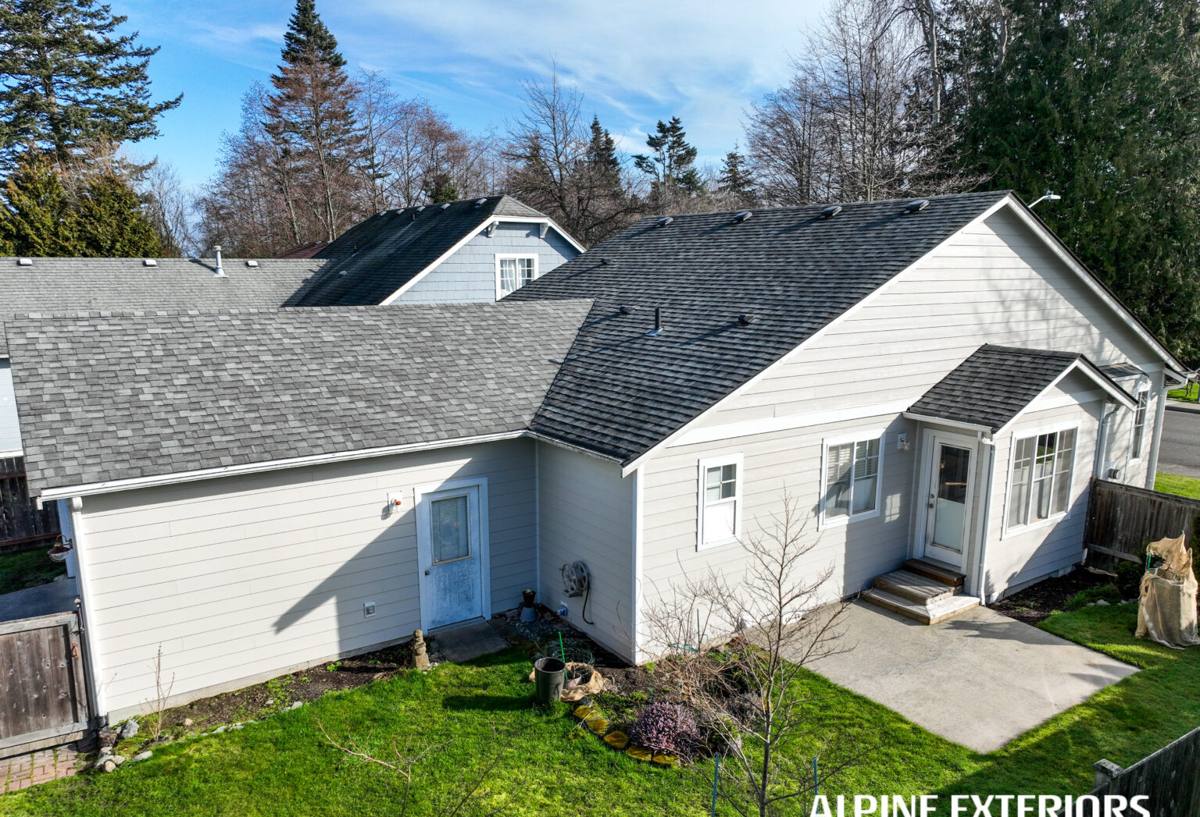
Delta sits close to the water and the industrial waterfront that gives Everett its working character, and that proximity shapes what happens to exterior siding here more than most homeowners realize. Between the salt-laden air moving in off Port Gardner Bay and Possession Sound, the driving rain that rolls through Snohomish County for much of the year, and a moss season that seems to stretch longer every winter, houses in this part of Everett take a steady, cumulative beating. None of it is dramatic on any given day. It's the slow accumulation — years of moisture cycling in and out of a wall assembly, salt residue settling into pores and seams, moss creeping into every shaded corner — that eventually shows up as peeling paint, soft trim, or siding that just doesn't look right anymore.
We've worked on homes throughout Everett and Snohomish County long enough to know that Delta isn't identical to the hillside neighborhoods further inland. Homes closer to the water deal with a slightly different combination of stresses, and a siding system that isn't built for that combination will show its weaknesses faster here than it would a few miles east.
What the Local Climate Does to Siding
Salt Air
Even a mile or two inland from Port Gardner Bay, airborne salt finds its way onto exterior surfaces. It doesn't corrode fiber cement or vinyl the way it corrodes bare metal, but it does two things that matter for siding longevity: it holds moisture against the surface longer than clean air would, and it breaks down lower-quality paint and coatings faster than manufacturers' lab tests usually predict. Homes in Delta and other near-waterfront pockets of Everett tend to see chalking, fading, and coating failure sooner than the same materials would experience a few miles inland.
Driving Rain
Snohomish County rain isn't usually the heavy, short downpour you'd see in other parts of the country — it's the long, wind-driven, sideways kind that finds every gap, lap joint, and fastener penetration in an exterior wall. That matters because most siding failures aren't caused by rain hitting a wall; they're caused by rain getting behind a wall and having nowhere to go. A weather-resistive barrier, proper flashing, and correctly lapped siding courses matter more here than in drier climates, because the margin for error is smaller.
Moss and Sustained Dampness
Everett's moss season isn't confined to a few weeks in spring. North-facing walls, areas shaded by mature trees, and anything close to grade can stay damp for months at a stretch, which gives moss and algae the conditions they need to establish themselves on siding, trim, and roofing. Moss itself doesn't destroy fiber cement, but it holds moisture against a surface continuously, and continuous moisture is the enemy of paint, caulking, and any wood-based trim nearby.
Why We Install Only James Hardie Fiber Cement
We get asked fairly often why we don't offer vinyl, LP SmartSide, or other fiber cement brands as options. The honest answer is that we made a call, based on years of installs in exactly this kind of climate, that James Hardie is the product that holds up best to salt air, sustained dampness, and driving rain without asking the homeowner to babysit it.
- Non-combustible core. Fiber cement doesn't feed a fire the way wood-based or vinyl products can, which matters for insurance conversations and peace of mind alike.
- ColorPlus factory finish. Baked-on, not field-applied, which means better adhesion and more consistent fade resistance than a coating applied on a job site in variable weather.
- HZ5 and climate-engineered formulations. Hardie makes region-specific product lines, and the versions we install are matched to Pacific Northwest moisture exposure rather than a one-size-fits-all national spec.
- Dimensional stability. Fiber cement doesn't swell and contract with moisture the way engineered wood products can, which keeps seams tighter and reduces the paths water can use to get behind the siding.
- Strong transferable warranty. A real, honored warranty structure matters more on a coastal-influenced property than almost anywhere else in the county.
We're not going to tell you other products are junk — vinyl and engineered wood sidings have legitimate uses and plenty of homes carry them without issue. But we've seen enough moisture-related callbacks on lower-tier products in this exact climate zone that we decided to stop offering them and put our name behind one system we trust to perform here for decades, not years.
Comparing Siding Options for a Near-Water Everett Home
| Factor | Vinyl | LP SmartSide / Engineered Wood | James Hardie Fiber Cement |
|---|---|---|---|
| Moisture behavior near salt air | Can warp/fade faster in coastal exposure | Wood core is moisture-sensitive if seals fail | Cement core is inherently moisture-stable |
| Fire resistance | Combustible | Combustible | Non-combustible |
| Finish durability | Field color, prone to fading/chalking | Factory or field finish, variable | ColorPlus factory-baked finish |
| Typical lifespan (properly installed) | 20-30 years | 20-30 years with strict moisture management | 30-50+ years |
| Maintenance burden | Low but limited repair options if damaged | Moderate — caulking/paint upkeep matters | Low — periodic caulk/paint checks |
How We Approach Siding Work in Delta
Every project starts with an honest look at what's actually happening on the walls, not just what the surface shows. On homes in this part of Everett, that usually means paying particular attention to a handful of things:
Assessment
We check for moisture intrusion at seams, window and door flashing, deck ledger connections, and anywhere trim meets siding — the joints where driving rain from the water side of the property tends to find its way in first. We also look at north- and shade-facing walls specifically for moss and sustained dampness patterns, since those areas often need different detailing than the sunnier sides of the same house.
Installation Standards
Correct installation matters as much as the product itself. That means proper weather-resistive barrier application, correctly lapped and fastened courses, sealed penetrations, and attention to manufacturer-specified clearances from grade, decks, and roof lines — all details that become more important, not less, in a climate that gives water this many chances to find a weak point.
Beyond Siding: Roofing, Windows, and Decks
Siding doesn't work in isolation. A roof that's shedding water improperly, windows with failed flashing, or a deck ledger that's trapping moisture against the wall will undermine even a well-installed siding job. Because we handle roofing, windows, and decks as well as siding, we look at the whole exterior envelope on a Delta property rather than treating siding as a standalone repair — which matters when the goal is a house that holds up to this climate for decades, not just a fresh coat that looks good for a season.
Signs Your Delta Home May Need Siding Attention
- Paint that's peeling, bubbling, or chalking faster than it should, especially on water-facing or north walls
- Persistent moss or algae growth that returns shortly after cleaning
- Soft or spongy spots at trim boards, corner posts, or lower courses near grade
- Visible gaps, warping, or separation at seams and joints
- Musty smells or discoloration on interior walls that back up to exterior siding
- Caulking that's cracked, shrunk, or missing at windows, doors, and trim
Why a Local Crew Matters
A crew that works Everett and Snohomish County regularly knows the difference between a house in Delta and one further up the hill or further inland — the exposure, the shading patterns, the way weather moves off the water. That's not something you get from a general handbook; it's something you get from doing the work in this specific climate, season after season, and paying attention to what actually fails and why. It also means we're around for warranty follow-up and questions years down the road, not a crew that came through once and moved on.
Cost Factors for Siding Projects in This Area
| Factor | Why It Affects Cost |
|---|---|
| Home size and wall complexity | More linear footage, corners, and dormers increase material and labor |
| Extent of moisture damage found | Rot or compromised sheathing discovered during tear-off requires repair before new siding goes on |
| Siding profile and trim detail | Lap width, board-and-batten, and trim complexity affect material and install time |
| Access and site conditions | Tight lots, mature landscaping, and multi-story walls affect staging and labor |
| Paint/color selection | Factory ColorPlus finishes vs. field-painted options affect both cost and long-term maintenance |
Every property is different, and the only way to give you real numbers is to look at your home directly. If you're in Delta or elsewhere in Everett and want an honest read on where your siding stands — whether it's a full replacement, a repair, or just a professional opinion on what you're seeing — we're happy to come take a look. The estimate is free, and there's no pressure attached to it.