 Everett
 Roof Repair Built for Bayside's Waterfront Climate
Bayside sits close enough to Port Gardner Bay and Puget Sound that the roof over your head is doing more work than a roof on the same house ten miles inland. Salt-laden air, near-constant winter humidity, and long stretches of shaded, damp roof deck all add up to faster wear on the same materials that would last longer somewhere drier. A roof repair here isn't just patching a leak — it's addressing the specific combination of moisture, salt exposure, and moss pressure that Snohomish County's marine climate throws at a roof year-round.
This page covers roof repair specifically for Bayside homes: what the local climate does to roofing materials, what a correct repair actually involves, how we approach the work, and why experience with this exact neighborhood's conditions matters more than it would for a general repair job somewhere else.
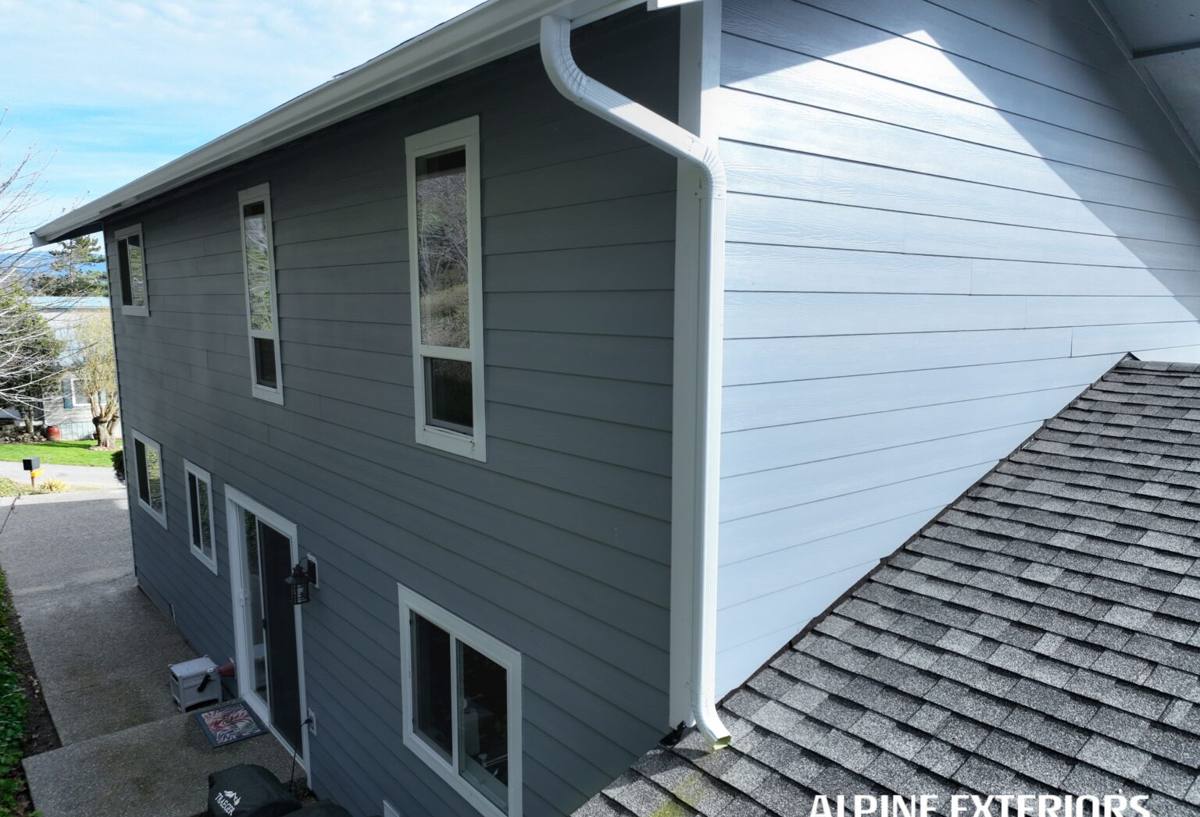
What Salt Air and Driving Rain Do to a Bayside Roof
Moss and Organic Growth
Everett's long, wet shoulder seasons give moss and algae months at a time to establish themselves, especially on north-facing slopes and anywhere tree cover keeps a section of roof shaded and damp. Moss isn't just cosmetic. It holds moisture against the shingle surface, lifts shingle edges as it grows, and works its way under flashing and into fastener penetrations. A roof that looks fine from the ground can already have moss undermining the seal in valleys and along eaves.
Flashing and Fastener Corrosion
Salt air accelerates corrosion on exposed metal — step flashing, valley metal, vent boots, and nail heads all age faster near the water than they would inland. Once flashing starts to corrode, it can develop pinholes or lose its seal at laps and seams long before the surrounding roofing material shows visible wear. This is one of the most common sources of a leak that homeowners assume is a shingle problem when it's actually a flashing problem.
Wind-Driven Rain Intrusion
Storms coming off the water tend to drive rain sideways, not straight down. That matters because a roof system built to shed vertical rainfall can still leak under wind-driven rain if flashing laps, underlayment overlaps, or ridge details aren't installed with that direction of water travel in mind. Repairs that only address the visible gap without accounting for wind direction often fail again in the next storm.
Signs Your Bayside Home Needs Roof Repair, Not Just a Watch-and-Wait
Some roof problems are urgent; others can reasonably wait for a scheduled inspection. Knowing the difference saves money and prevents small issues from becoming interior damage.
- Ceiling stains that appear or grow after a windy rainstorm specifically (points to wind-driven intrusion, not just a static leak)
- Moss visible in valleys, along eaves, or on north-facing slopes, even if no leak has shown up yet
- Granules collecting in gutters or at downspout outlets, a sign shingles are wearing thin
- Rust streaking below metal flashing or vent boots
- Shingles that look lifted, cupped, or curled at the edges rather than lying flat
- Soft or spongy spots on the roof deck felt when walked (an installer concern, not a DIY check)
- Daylight visible through the attic roof deck at seams or nail penetrations
- A noticeable increase in attic humidity or musty smell, which often precedes visible staining
What a Correct Roof Repair Actually Involves
A repair that actually holds up in Bayside's climate goes further than sealing the spot where water is currently showing up inside. Water rarely enters where it's found — it travels along the underside of the roofing material before it drips somewhere visible, so tracing the real entry point matters more than treating the symptom.
- Locate the actual entry point. This usually means inspecting from the attic side where possible, checking flashing, valleys, and penetrations uphill from the stain, not just patching the ceiling location.
- Assess the roof deck. Any area that's been wet long enough to soften needs to be evaluated before new material goes over it — patching over a compromised deck just hides the problem.
- Remove and replace affected materials. Damaged shingles, underlayment, and flashing are removed rather than shingled over, so the repair ties properly into sound surrounding material.
- Replace flashing with corrosion-appropriate metal. Given the salt air here, flashing gets specified with that exposure in mind rather than defaulting to whatever's cheapest.
- Re-seal and re-lap correctly for wind-driven rain. Laps and seals are oriented and layered so they shed water moving sideways, not just straight down.
- Clear moss and treat the surrounding area. If moss contributed to the failure, the surrounding roof gets cleared and treated so the same spot doesn't fail again in a year.
- Verify from the interior. Where an attic or crawlspace allows it, we check that the repair area is dry and sound before calling the job finished.
Our Roof Repair Process in Bayside
We start with a straightforward inspection and an honest conversation about what we find — not a sales pitch for a full replacement when a targeted repair will genuinely hold. Because we work roofs in this neighborhood regularly, we already know which details tend to fail first in this climate: valley metal, north-slope moss buildup, and flashing around chimneys and vent penetrations facing the prevailing wind and rain direction off the water.
Once we've identified the cause, we walk you through the repair scope in plain terms: what's failing, why, what we'll replace, and what it will cost. We complete the repair, clean up the work area, and check our work from both the roof surface and, where accessible, the interior. If we find a second issue while we're up there — a cracked boot, a loose ridge cap — we'll flag it and give you a straight answer on whether it needs attention now or can be monitored, rather than padding the invoice with work that isn't needed yet.
Repair or Replace? How We Help You Decide
Not every roof problem calls for a full replacement, and not every roof is a good candidate for another round of patching. The table below outlines how we think through that decision.
| Factor | Repair Usually Makes Sense | Replacement Worth Considering |
|---|---|---|
| Roof age | Roof is under 15-20 years old, or well within its expected service life for the material | Roof is at or past the manufacturer's expected lifespan for the local climate |
| Extent of damage | Damage is localized — one valley, one penetration, one slope | Multiple slopes show wear, or moss/wind damage is spread across the roof |
| Deck condition | Roof deck is sound where inspected | Deck shows soft spots or rot in more than one area |
| Repair history | This is the first or second repair to this roof | The same area has needed repair more than twice |
| Underlying material | Underlayment and flashing are still in serviceable condition | Underlayment is brittle or flashing is corroding broadly, not just at one point |
When a roof is genuinely on the border, we'll say so and lay out both options with real trade-offs rather than pushing toward the larger job.
What Roof Repair Typically Costs in Bayside
Repair costs vary based on scope, access, and what's actually failing. The table below gives a general sense of what drives cost up or down — it isn't a quote, since every roof and every leak is different.
| Cost Factor | Tends to Lower Cost | Tends to Raise Cost |
|---|---|---|
| Roof pitch and access | Low-slope, easily accessible roof | Steep pitch, multiple stories, or limited ladder access |
| Scope of damage | Single localized area | Multiple areas or damage discovered once removal begins |
| Deck condition | Sound deck under the damaged material | Soft or rotted decking requiring replacement |
| Material match | Common, readily available shingle or roofing material | Discontinued or specialty material requiring a closer match |
| Flashing scope | Spot flashing repair | Full valley or chimney flashing replacement |
Most straightforward Bayside repairs fall in a broad low-to-mid-hundreds range; jobs involving deck replacement or extensive flashing work run higher. We'll always give you a firm number in writing before any work starts.
Why a Crew That Already Works Bayside Roofs Matters
A roofing crew that's worked this specific area knows things that don't come from a generic inspection checklist: which slope orientations catch the worst of the moss in this microclimate, how far salt-driven corrosion typically travels up flashing before it becomes a leak, and how prevailing storm direction off the water tends to find weak points in valleys and ridge details. That local pattern recognition shortens the diagnosis and reduces the chance of a repair that looks right but misses the actual cause.
It also means we're not guessing at material choices. We know which flashing and fastener specifications hold up against salt air here and which underperform faster than their rated lifespan would suggest in a less coastal setting. That's the difference between a repair that lasts one winter and one that lasts through several.
Maintaining Your Roof Between Repairs
A repair buys you time, but a few habits stretch that time further in a climate like this one:
- Keep gutters and downspouts clear so water doesn't back up under shingle edges during heavy rain
- Trim back tree limbs that shade roof sections and slow drying after rain, which is what allows moss to establish
- Schedule a moss treatment or gentle removal before it spreads, rather than after it's visibly thick
- Have the roof looked at after any unusually strong windstorm, even if nothing looks obviously wrong from the ground
- Address small leaks early — a contained repair now is almost always cheaper than deck replacement later
If you're seeing signs of a leak, moss buildup, or aging flashing on a Bayside roof, we're glad to take a look and give you a straightforward assessment — no pressure, no upsell, just an honest read on what your roof actually needs. Use the form below to request a free estimate.