 Everett
 Marysville's Climate Is Harder on Siding Than It Looks
Marysville sits close enough to Puget Sound that salt-laden air is a real factor in how exterior materials age, and it shares the broader Snohomish County pattern of long, wet winters with driving rain that comes in sideways during storms off the water. Add in a moss season that can stretch for much of the year on shaded north- and west-facing walls, and you have a climate that's constantly testing whatever is on the outside of a house. This isn't a dramatic climate — it's a persistent one, and persistent moisture exposure is exactly what exposes the weak points in a siding job over time.
Homes here don't usually fail because of one bad storm. They fail because of small installation mistakes — a missing flashing detail, a fastener pattern that lets water track behind the panel, caulk used where a proper overlap should have been — that get exercised week after week for years until something finally gives. That's the lens we bring to every Marysville siding installation: not "will this look good on install day" but "will this still be doing its job in fifteen years of this specific weather."
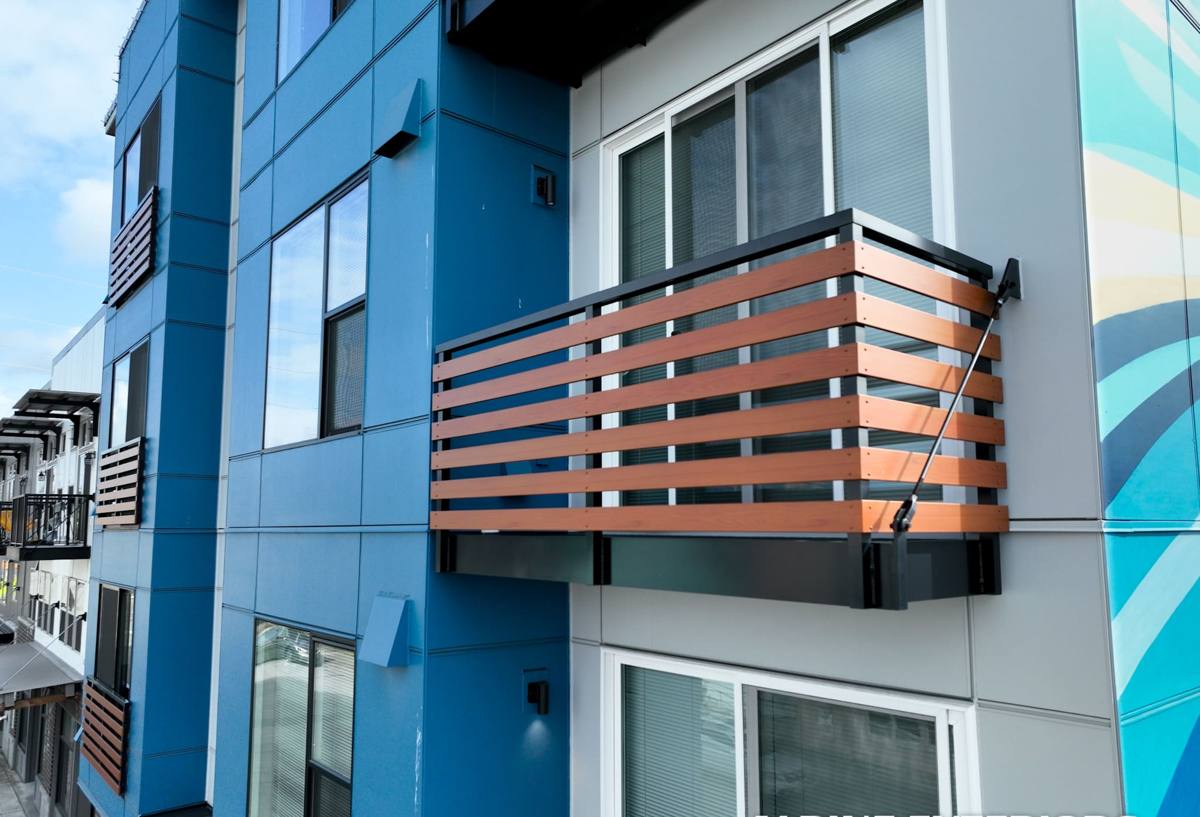
What Correct Siding Installation Actually Involves
Siding is a water management system first and a finish material second. A correct installation gets the water management right, and everything else follows from that. The core elements:
Water-Resistive Barrier and Flashing
Before any siding goes up, the wall needs a properly lapped weather-resistive barrier and correctly integrated flashing at every penetration — windows, doors, hose bibs, light fixtures, and anywhere a deck or roofline meets the wall. In a climate with sustained driving rain, this layer is what actually keeps water out of the wall assembly. The siding itself is the second line of defense, not the first.
Fastening and Clearances
Fiber cement siding has manufacturer-specified fastener spacing, placement, and gaps for expansion. Getting this wrong doesn't usually cause an immediate problem — it causes a slow one, as panels work loose or crack at stress points over several winters. Ground clearance and clearance from roof lines, decks, and walkways also matter here, since splashback and standing moisture are what feed moss growth and slow rot at the bottom courses of a wall.
Caulking and Sealant — Used Sparingly, Not as a Crutch
Caulk has a place, but it should never be doing the job that a flashing detail or overlap should be doing. Over-reliance on sealant is one of the more common shortcuts we see, and it's a maintenance liability: caulk degrades faster than the siding around it, and once it fails, water has a direct path behind the panel with no backup layer.
Signs a Marysville Home Needs New Siding
Not every siding problem is obvious from the curb. Some of the most common indicators we see on homes in this area:
- Persistent moss or dark streaking on north- or west-facing walls that comes back within weeks of cleaning
- Soft spots, bubbling, or visible warping, especially near ground level or below windows
- Paint that's failing faster than expected, or siding that needs repainting more often than every 8-10 years
- Visible gaps, cracked caulk lines, or panels that have pulled away slightly from the wall
- Rising energy bills that track with drafts near exterior walls
- Any interior sign of moisture — musty smell, staining, or soft drywall near an exterior wall
Any one of these can have causes other than siding, but together, or on an older home that's never had its siding assessed, they're worth a proper look before they turn into sheathing or framing repairs.
Why We Install Only James Hardie Fiber Cement
We install one product line: James Hardie fiber cement siding. We don't install vinyl, LP SmartSide, cedar, primed spruce, or other fiber cement brands, and that's a deliberate standard, not a lack of options. Fiber cement is dimensionally stable in wet-dry cycling, which matters directly in a climate with Marysville's rain pattern — it doesn't swell, cup, or absorb moisture the way wood-based sidings can. It's also non-combustible, which is a meaningful long-term consideration regardless of region.
James Hardie's HZ5 product line is engineered specifically for climates like the Pacific Northwest's, with moisture and freeze-thaw performance suited to sustained wet weather rather than dry heat. The factory-applied ColorPlus finish is baked on under controlled conditions, which gives more consistent, longer-lasting color performance than most job-site-applied paint systems — a real advantage against the salt air and UV exposure this area sees. Hardie also backs the product with a strong transferable warranty, which matters to future buyers if the home is ever sold. We standardized on it because, installed correctly, it holds up to this specific climate better than the alternatives we used to install — not because other products are without merit, but because the trade-offs didn't hold up over the long haul.
Our Installation Process
- On-site assessment: we look at the existing siding, sheathing condition, moisture points, and any problem areas specific to the home's exposure — sun, shade, wind direction, drainage.
- Tear-off and sheathing check: old siding comes off and we inspect the sheathing underneath for rot or damage before anything new goes up. This step catches problems that aren't visible from outside.
- Weather barrier and flashing: a new water-resistive barrier is installed and lapped correctly, with flashing detailed at every window, door, and penetration.
- Hardie panel or plank installation: installed to manufacturer fastening and clearance specifications, with attention to expansion gaps and proper overlap at every joint.
- Trim, caulking, and finish work: trim details finished and sealant applied only where it belongs — not as a substitute for proper flashing.
- Final walkthrough: we go over the finished job with the homeowner and flag anything worth knowing for future maintenance.
Cost Factors for Marysville Siding Projects
Every home is different, but the same handful of factors drive most of the cost variation we see on local projects:
| Factor | Why It Matters Here |
|---|---|
| Home size and wall complexity | More corners, dormers, and roof intersections mean more flashing detail work, which takes time to do right |
| Existing siding removal | Tear-off and disposal add labor, and any sheathing rot found underneath needs repair before new siding goes on |
| Product line and profile | Hardie plank, panel, and shingle profiles vary in material and labor cost |
| Moisture damage discovered | Homes with a history of moss buildup or past leaks sometimes need sheathing or framing repair, which isn't known until tear-off |
| Access and site conditions | Sloped lots, tight setbacks, or limited equipment access common in some Marysville neighborhoods can affect labor time |
We don't quote a job without walking the property first — anything given without seeing the actual walls and sheathing condition is a guess, and guesses tend to be wrong in one direction or the other.
Why Hiring a Crew That Already Works in Marysville Matters
A crew that works this area regularly already knows what Snohomish County inspectors expect, understands how local drainage and drip-edge patterns play out on the ground, and has seen how the salt air and rain pattern actually age different details over time — not in theory, but on homes down the street. That local pattern-recognition is what catches a problem before it's built into the wall, rather than after.
Before hiring anyone for a siding project, it's worth confirming a few basics:
- Current Washington state contractor license and liability insurance, verifiable independently
- Manufacturer training or certification on the specific product being installed
- A written scope of work that specifies flashing and water-barrier details, not just "install siding"
- Local references or past work in the immediate area
- A clear warranty structure — both on labor and on the manufacturer's product warranty
Maintenance After Installation
Correctly installed Hardie siding is low-maintenance, but "low" isn't "none" — especially in a climate that supports moss growth. A yearly visual check for moss on shaded walls, gutters kept clear so water isn't overflowing down the siding face, and prompt attention to any caulk that starts to crack are the main things that keep a good installation performing for decades. None of this is heavy work, but skipping it entirely does shorten the effective life of even the best-installed job.
If you're weighing a siding replacement or repair in Marysville, we're happy to take a look and give you a straightforward, no-pressure assessment of what your home actually needs — use the form below to request a free estimate.