 Everett
 Why Board & Batten Suits North Everett Homes
Board and batten has been showing up more on North Everett homes over the past several years, and it's not just a style trend. The look — wide vertical panels with narrow battens covering each seam — reads clean and modern on newer builds, but it also works well on older Everett homes getting a full exterior refresh. The vertical lines pair naturally with the mix of craftsman, farmhouse, and contemporary architecture you see through this part of Snohomish County.
There's a practical side too. North Everett sits close enough to Puget Sound and Port Gardner Bay that homes here deal with a steady mix of salt-tinged air, wind-driven rain off the water, and the kind of low, damp winters that keep moss and algae established on north- and west-facing walls for months at a time. A vertical siding profile sheds water differently than horizontal lap siding — done correctly, the batten placement and drainage plane behind it move water down and away from the wall instead of letting it collect at horizontal seams. Done poorly, board and batten is one of the least forgiving siding styles out there, because every seam is a vertical water path running straight down the face of the house.
That's the real story of this page: board and batten only performs as well as the moisture management behind it. In a climate like Everett's, that detail matters more than the look.
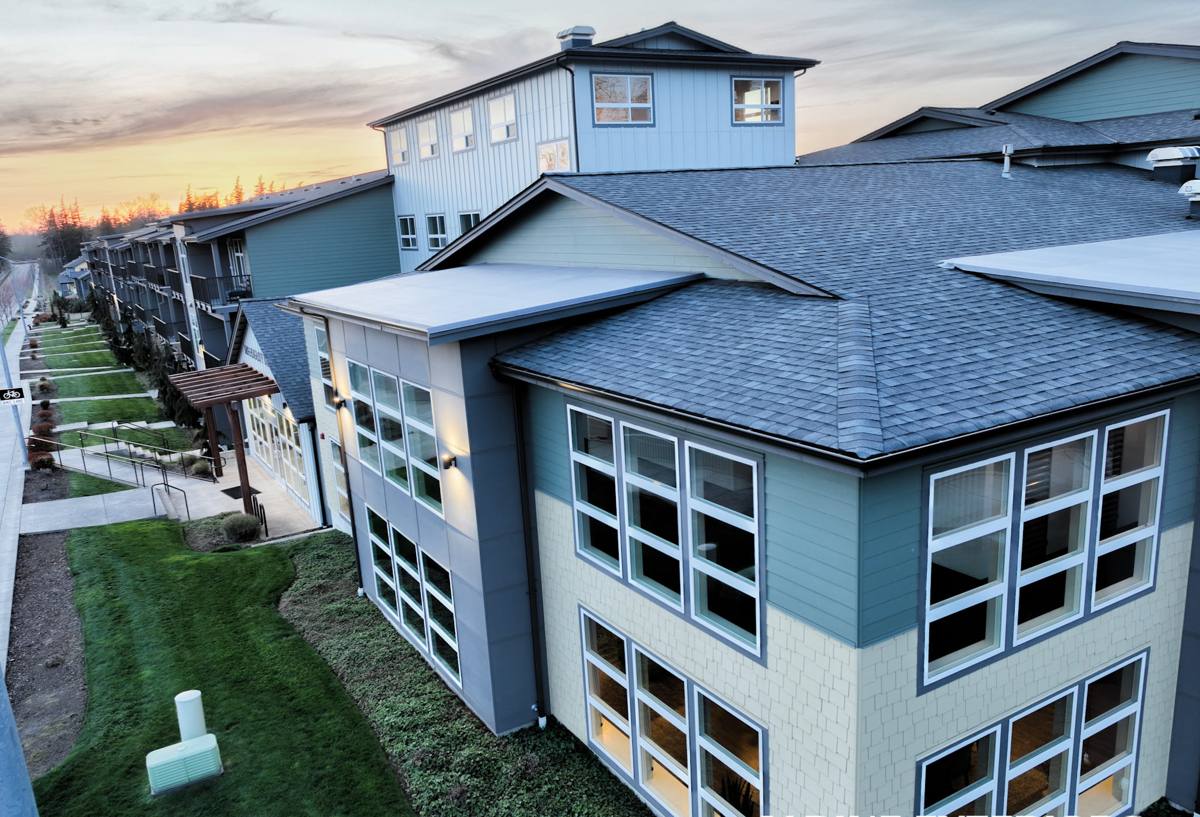
What Correct Board & Batten Construction Actually Involves
Board and batten isn't a surface treatment — it's an assembly. Get the assembly wrong and you get a house that looks right for a few years and then starts showing staining, panel warping, or soft trim at the bottom courses. A correct install includes:
- A drainage plane (weather-resistive barrier plus a rain screen gap) that lets any water that gets behind the siding drain and dry instead of sitting against the sheathing
- Properly flashed window and door openings, installed before the siding goes on — not caulked in after the fact
- Battens fastened through to framing or furring strips, not just face-nailed into the panel
- Consistent, code-compliant clearance from grade, decks, and roof lines so the bottom of the siding isn't sitting in standing water or snow load
- Factory-finished panels and trim, so cut edges are the only place field-sealing is needed
Because every batten seam is a vertical channel, fastener placement and caulking at penetrations (hose bibs, light fixtures, vents) has to be precise. A single missed detail at one penetration can feed water straight down behind a whole run of panel.
The James Hardie Board & Batten System We Install
We install James Hardie board and batten exclusively — no vinyl board and batten, no LP SmartSide, no primed spruce or cedar board and batten. That's a deliberate standard, not a sales preference, and it's worth explaining why in the context of this specific style.
Board and batten is unusually hard on lower-quality materials because the vertical seams concentrate water exposure. Vinyl board and batten panels expand and contract with temperature swings and can bow or gap at the battens over time. Wood board and batten — cedar or primed spruce — looks great new but needs the paint or stain film maintained on a tight schedule, or moisture gets into the fiber at the seams and the boards start to cup, split, or rot from the inside out. In a climate with Everett's rainfall and humidity, that maintenance window is short.
James Hardie's fiber cement panels are engineered specifically for this. The HardiePanel vertical siding we install is paired with HardieTrim battens, and both are manufactured to Hardie's HZ5 specification — their product line built for wetter, colder Pacific Northwest climates rather than the humid-subtropical HZ10 line sold in the South. Fiber cement doesn't absorb water into a wood grain structure, doesn't swell or rot, and is non-combustible, which matters given Washington's wildfire seasons have been reaching further west in recent years.
ColorPlus Factory Finish
Most of the board and batten jobs we do use Hardie's ColorPlus Technology finish — a factory-applied, baked-on finish that's more UV- and weather-resistant than field-applied paint, and it comes with its own finish warranty separate from the substrate warranty. For a style where every seam and batten edge is visible, a consistent factory finish on both panel and trim matters more than it does on lap siding.
Color and Profile Options
Panels come in a range of widths and reveal options, and battens can be run at standard spacing or adjusted for a wider, more modern look. We'll walk North Everett homeowners through Hardie's current ColorPlus palette and profile choices during the estimate — we're not going to push a look that doesn't fit the house or the neighborhood.
Comparing Board & Batten Material Options
Homeowners researching board and batten usually come across four material paths. Here's an honest breakdown of how they compare for a North Everett exterior specifically.
| Material | Moisture Behavior | Maintenance | Typical Lifespan | Our Position |
|---|---|---|---|---|
| James Hardie fiber cement | Doesn't absorb or rot; factory finish sheds water | Occasional rinse; no repainting cycle with ColorPlus | 30+ years with correct install | What we install |
| Cedar board and batten | Natural material; absorbs moisture at end grain and seams | Refinish every 3-5 years in this climate | Varies widely with upkeep | Not installed by us |
| Vinyl board and batten | Doesn't rot but can trap moisture behind it; expands/contracts | Low, but panels can warp or fade | 15-25 years typical | Not installed by us |
| LP SmartSide / engineered wood | Engineered wood core; sensitive to sustained moisture at cut edges | Moderate; edge sealing is critical | Manufacturer-dependent | Not installed by us |
We're not going to tell you cedar looks bad or vinyl is junk — both have real advantages in the right application. What we'll say plainly is that after years of doing exterior work in Snohomish County's climate, fiber cement is the material we trust to hold up on a style as moisture-exposed as board and batten, and it's the only one we put our name behind.
Our Installation Process for North Everett Homes
Every board and batten job we run through the same sequence, regardless of house size:
- On-site assessment — we look at existing wall condition, current siding (if any), moisture staining, trim condition, and drainage around the foundation before quoting anything
- Tear-off and sheathing check — old siding comes off and we inspect the sheathing underneath for rot or damage before it's covered up again
- Weather barrier and rain screen installation — this is the step that determines whether the wall stays dry for the next 30 years, and it's the one step that's invisible once the job is done
- Window, door, and penetration flashing — done to manufacturer spec before any panel goes up
- Panel and batten installation — HardiePanel and HardieTrim installed to Hardie's fastening and clearance specifications
- Final detailing and cleanup — caulking at trim, touch-up on cut edges, site cleanup
We quote and schedule around Everett's weather rather than fighting it — board and batten installation depends on dry conditions during the barrier and flashing stages, so we plan install windows accordingly instead of rushing critical steps in the rain.
Why a Crew That Already Works North Everett Matters
Siding installation quality comes down to details that don't show up in a photo: how the rain screen is furred out, how flashing laps at each window, how the bottom course meets grade. Those details need to be right for this climate specifically. A crew that works Snohomish County regularly already knows how North Everett's exposure to wind off the water, the region's rainfall totals, and the area's moss and algae pressure should change fastening patterns, gap sizing, and touch-up scheduling — it's not something you re-learn on every job.
There's also a permitting and code side to it. Everett and Snohomish County have their own permitting requirements and inspection expectations for exterior work, and a local crew that pulls permits here regularly moves through that process faster than one working from out of the area.
Living With Board & Batten in North Everett's Climate
Fiber cement board and batten is low-maintenance, not no-maintenance. A few things to expect and plan for:
- Moss and algae: North- and west-facing walls in shaded North Everett yards will develop some moss and green staining over time, especially in the wetter months. A soft wash on a normal schedule keeps it from taking hold — pressure washing directly at panels and battens isn't recommended, since it can force water behind the siding
- Salt air near the water: homes closer to Port Gardner Bay and the waterfront should expect slightly faster weathering on exposed fasteners and metal trim; factory-finished fiber cement itself isn't affected the way bare wood or some metals are
- Caulking checkups: plan on a visual check of caulked joints (trim edges, penetrations) every couple of years — this is standard for any siding system, board and batten included, since it's the seams that do the work
- Gutter and drainage maintenance: keeping gutters clear and grade sloped away from the house does more for siding longevity than almost anything else, particularly with vertical siding where water runs straight down the wall face
Signs Your Current Siding Needs Replacing
If you're not sure whether your North Everett home is a candidate for a board and batten replacement, look for:
- Soft or spongy siding when pressed, especially near the bottom courses or under windows
- Persistent staining or dark streaking that comes back shortly after cleaning
- Visible gaps, warping, or bowing at seams or panel edges
- Paint that's failing faster than a normal repaint cycle, which often signals moisture getting into the material underneath
- Rising energy bills that could point to a compromised weather barrier behind aging siding
Any one of these is worth a look before it turns into sheathing or framing repair, which costs far more than the siding itself.
If you're weighing board and batten for a North Everett home, we're glad to take a look and walk through what a correctly built system would involve for your specific house — no pressure, no obligation. Use the form below to request a free estimate.