 Everett
 Building Decks for Riverside's Marine Climate
Riverside sits close to the Snohomish River on the north side of Everett, and that low, water-adjacent setting shapes what a deck needs to survive here. Salt-tinged air off Puget Sound, long stretches of driving rain, and a moss season that can run from fall through spring put more stress on an outdoor structure in this part of Snohomish County than in drier inland climates. A deck built with generic, catalog-spec materials and standard fastener schedules will show problems here faster than it would somewhere with less moisture in the air year-round.
We build decks specifically for this environment, not for a national average climate. That means paying attention to details that don't matter much in Arizona or Texas but matter a great deal in Riverside: how water sheds off a ledger board, whether hardware is rated for coastal exposure, and how much shade and moisture a yard actually gets before we even pick a decking product.
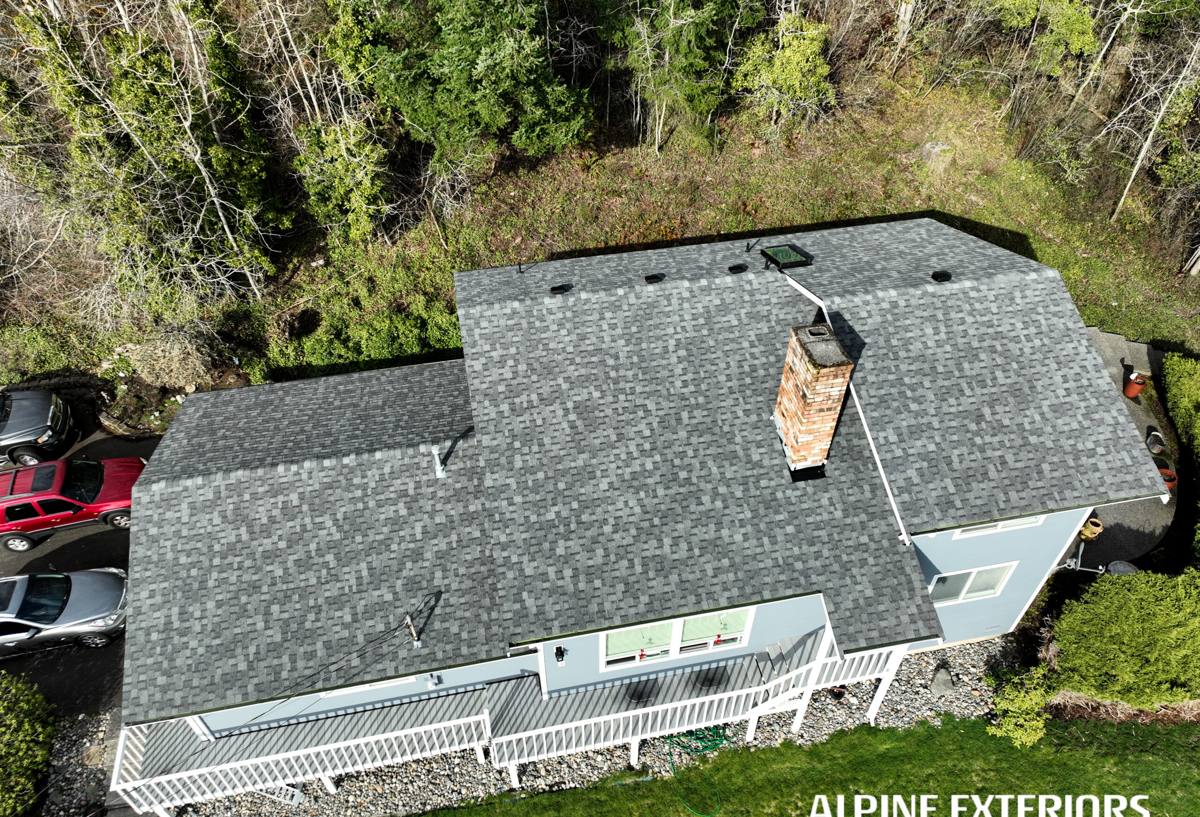
What a Riverside Deck Needs to Get Right From Day One
Most deck problems we get called out to fix aren't decking problems — they're moisture problems that show up as decking symptoms. Soft boards, black staining, loose railing posts, and rusted fasteners are usually downstream of a structure that wasn't detailed for constant damp, not a failure of the decking material itself.
Moisture Management Comes First
Where a deck attaches to the house, at the ledger board, is the single most important spot for a proper build. It has to be flashed correctly so water is directed away from the house framing rather than trapped behind the deck. In a climate that sees extended rain events rather than short downpours, a poorly flashed ledger will eventually lead to rot in the rim joist or sheathing behind it — often long before the decking on top shows any sign of trouble.
Shade and Airflow
Many Riverside lots have mature trees and neighboring structures that keep parts of a yard shaded for much of the day. Shaded decking stays wet longer after rain and is where moss and algae take hold first. We factor sun exposure into material choice and, where we can, into deck orientation and gap spacing so air can move underneath and dry the structure out between storms.
Decking Material Options: What Actually Holds Up
There's no single "best" decking material for every yard in Riverside — it depends on budget, how much maintenance you want to do, and how much sun and shade the deck gets. Here's how the common options actually perform in this climate, based on how they behave over time rather than how they're marketed.
| Material | How it handles our climate | Maintenance | Typical lifespan here |
|---|---|---|---|
| Pressure-treated fir/hem-fir | Affordable and strong, but absorbs moisture readily; needs consistent sealing to resist the wet season | Annual cleaning, re-sealing every 1-2 years | 15-20 years with upkeep |
| Cedar | Naturally rot- and insect-resistant, ages to a silver-gray if left unsealed; still needs cleaning to control moss | Cleaning plus periodic oil or stain if you want to keep the original color | 20-25 years |
| Composite decking | Resists rot and moisture absorption well; can still grow surface moss/algae in constant shade if not cleaned | Occasional washing, no sealing or staining | 25-30+ years, varies by brand and warranty |
| PVC/capped polymer | Fully moisture-resistant surface, best option for consistently shaded or damp areas | Lowest maintenance of the group | 25-30+ years |
We're honest about trade-offs rather than pushing whatever is easiest to install. Composite and PVC products cost more up front but remove most of the moisture-related maintenance that wood decking demands here. Cedar remains a solid, better-looking choice for homeowners willing to stay on top of cleaning and occasional sealing. What we won't do is install a decking product in a heavily shaded, low-airflow spot without being upfront that it will need more frequent cleaning to stay ahead of moss, regardless of brand.
The Substructure Is Where Most Deck Failures Start
The framing underneath a deck rarely gets looked at once the decking boards go down, which is exactly why it needs to be done right the first time. In a climate with this much sustained moisture, we treat the substructure with the same care as the visible surface.
- Joists and beams sized and spaced for the actual load and span, not just minimum code allowance
- Joist tape or another moisture barrier on top of framing members to keep water from sitting in fastener holes and end grain
- Footings set below frost depth and sized for our soil conditions, not a one-size-fits-all footing spec
- Proper ledger flashing and a gap or flashing detail where the deck meets the house siding
- Adequate ventilation and clearance underneath the deck so the ground and framing can dry between rain events
None of this is visible once the deck is finished, which is also why it's the part most likely to get shortcut by crews trying to hit a low bid. It's not the part to save money on in a climate that stays wet for months at a time.
Railings, Fasteners, and Hardware That Won't Corrode
Salt-influenced air near Puget Sound accelerates corrosion on standard hardware faster than most homeowners expect. Fasteners, joist hangers, and structural connectors that are only rated for general exterior use can start rusting and staining decking within a few seasons in this kind of environment.
We spec stainless steel or coated fasteners rated for coastal/high-moisture exposure on structural connections, and we match hardware to the decking material — the wrong fastener chemistry against certain composite or treated-lumber products can cause staining or premature corrosion even when the fastener itself is otherwise a reasonable grade. Railing posts get the same attention: post bases and anchoring hardware are where a lot of older decks in this area show their first signs of failure, since that connection takes constant load and constant moisture at the same time.
How We Approach a Deck Build in Riverside
- On-site assessment — we look at sun/shade exposure, drainage patterns, soil, and how the deck will tie into the existing structure before recommending materials
- Material and layout recommendation — honest guidance on decking, railing, and framing options based on your budget and how much maintenance you want to take on
- Permitting — we handle the permit application and inspections required for the project
- Demolition and site prep — removal of any existing structure and grading as needed for proper drainage
- Framing and structural work — footings, ledger flashing, joists, and beams built to the standards above, not just code minimums
- Decking, railing, and finish work — installed with fastener spacing and gapping appropriate to the material and our climate
- Final walkthrough — we go over basic care for whatever material you chose so you know what upkeep to expect
Permits and Local Requirements
Most new deck construction and many significant deck replacements in Everett and Snohomish County require a building permit, particularly when the deck is attached to the house, elevated above a certain height, or involves structural framing changes. Setback requirements, guard rail height, and stair specifications are all governed by adopted building code, and inspections are typically required at the framing stage before decking goes down. We handle the permit process as part of the project so you're not left navigating city requirements on your own, and so the finished deck is documented and code-compliant if you ever sell the home.
Keeping a Riverside Deck in Good Shape
Every decking material benefits from a basic seasonal routine in this climate. A little consistency goes a lot further than an occasional deep clean.
- Sweep debris off the deck regularly, especially in fall when leaves and needles trap moisture against the surface
- Clean moss and algae off boards and stairs before they become a slip hazard, particularly in shaded areas
- Check railing posts and stair connections yearly for looseness or movement
- Inspect for gaps in caulking or flashing where the deck meets the house
- Re-seal or re-stain wood decking on the schedule appropriate to the product — don't wait until it's visibly gray and dry
- Keep gutters and downspouts near the deck clear so runoff isn't draining directly onto or under the structure
Why Hiring a Crew That Already Works in Riverside Matters
A deck built to a generic national spec can look identical to one built for this specific climate on the day it's finished. The difference shows up two, five, and ten years later, in whether the framing stayed dry, whether the hardware held up, and whether the decking needed replacing early. Working regularly in Riverside and the surrounding Everett area means we're accounting for the moss season, the driving rain, and the salt air in the materials and details we choose, not treating this like any other job site.
If you're planning a new deck or need to replace one that's showing its age, we're happy to take a look and put together a straightforward estimate — no pressure, no hard sell, just an honest read on what your project needs. The form below is the easiest way to get started.