 Everett
 Deck Replacement in Forest Park, Everett
Forest Park is one of Everett's older, well-established neighborhoods, and it shows in the housing stock: a lot of decks here were built decades ago to codes and standards that don't hold up to what we now know about moisture, wood movement, and coastal exposure. If you're looking at a deck that feels soft underfoot, has gaps opening up between boards, or just looks tired next to an otherwise well-kept home, you're probably past the point where patching makes sense. This page covers what a proper deck replacement looks like for a Forest Park home specifically — not a generic national checklist, but what actually matters given where this neighborhood sits and what the weather does to it.
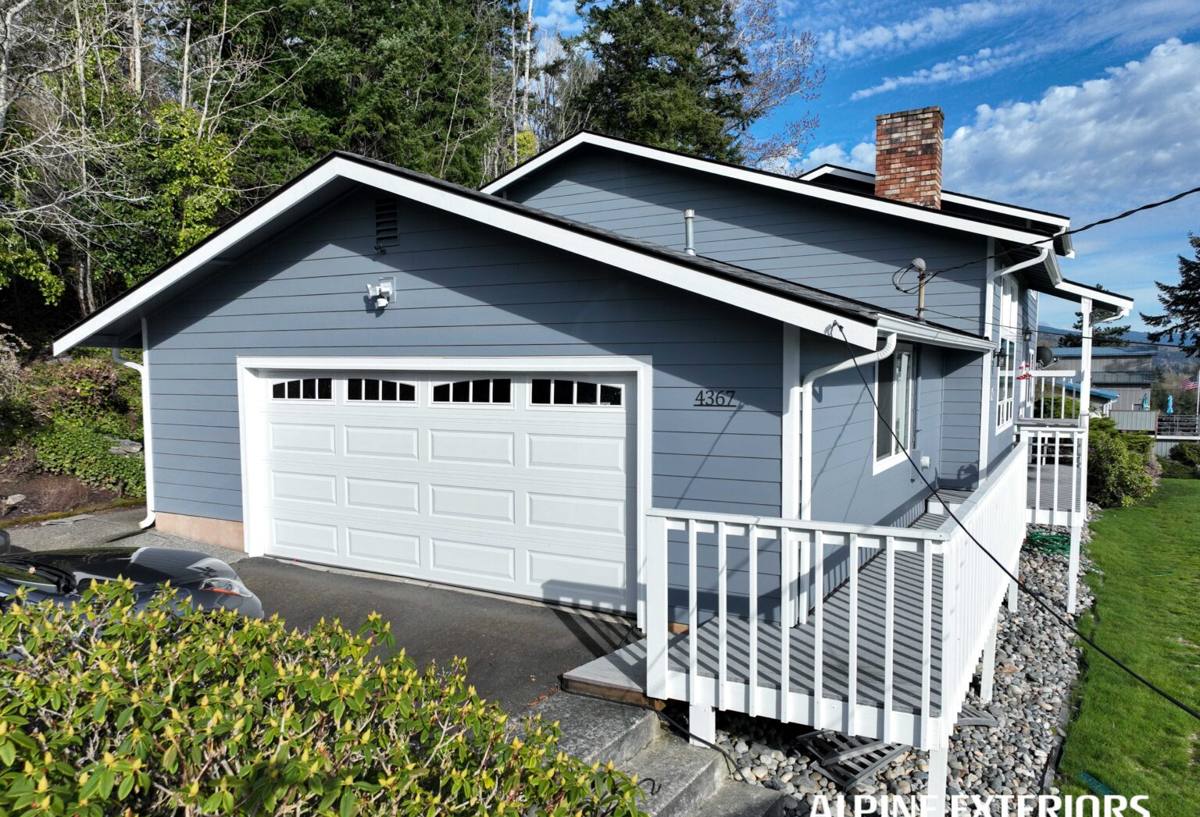
What Everett's Climate Does to a Deck
Forest Park's proximity to Puget Sound means homes here deal with a specific combination of stresses that inland decks in drier parts of the state simply don't see as often.
Salt Air and Metal Fatigue
Salt-laden air off the Sound accelerates corrosion on anything metal — nails, screws, joist hangers, post bases. On an older deck, this is often the real failure point long before the wood itself gives out. A deck can look structurally fine from the top while the hardware holding it together underneath has been quietly corroding for years.
Driving Rain and Standing Water
Everett gets a lot of horizontal rain, not just straight-down rain. That matters for decks because water gets driven into joints, under ledger boards, and behind rim joists in ways that vertical rain wouldn't reach. Any gap in flashing or any spot where water can pool instead of shed becomes a rot starting point.
Moss Season
Snohomish County's long wet season — realistically several months of the year — gives moss and algae plenty of time to establish on horizontal wood surfaces, especially in shaded yards, which Forest Park has plenty of thanks to its mature tree canopy. Moss holds moisture against the wood surface far longer than open air would, which speeds up decay even on boards that otherwise look intact.
None of this means a deck in this neighborhood is doomed — it means the build details have to account for these conditions instead of ignoring them, which is where a lot of older decks (and some newer ones built without local knowledge) fall short.
Signs Your Forest Park Deck Needs Replacement, Not Repair
Repair makes sense when the problem is isolated. Replacement makes sense when the problems are systemic. Here's how to tell which situation you're in:
- Soft or spongy spots when you walk across the deck, especially near the house or at board edges
- Visible gaps or separation between deck boards that weren't there a few years ago
- Rust staining running down from screw heads or around joist hangers
- Wobble or movement in the railing when you lean on it
- Wood that's gray, splintering, or soft when you press a screwdriver into it
- Moss or algae that keeps coming back within weeks of cleaning
- Gaps or daylight visible where the ledger board meets the house
- The deck is more than 20-25 years old and has never had the substructure inspected
If you're seeing two or three of these at once, especially anything involving the ledger board or support posts, that's usually a sign the structure needs to come off rather than be patched around.
What a Correct Deck Replacement Actually Involves
A deck replacement isn't just swapping old boards for new ones. The parts nobody sees are the parts that determine whether the new deck lasts 10 years or 30.
Ledger Board and Flashing
The ledger board — where the deck attaches to the house — is the single most common failure point on decks in wet climates. It needs proper flashing that directs water away from the house framing, not just caulk or a bead of sealant. This is also the connection point structural engineers and inspectors scrutinize most closely, for good reason.
Footings and Posts
Older Everett homes sometimes have deck footings that were never poured to current frost depth or bearing standards, or posts set directly in soil without proper isolation from ground moisture. A replacement is the right time to correct this rather than build a new deck on an old, undersized foundation.
Joist Protection
Joist tape or an equivalent moisture barrier over the top of each joist keeps water from soaking into end grain and top surfaces where screws penetrate — a cheap step during construction that's expensive to add later.
Fasteners and Hardware
Given the salt air issue above, hardware should be stainless steel or a coating rated for coastal/high-corrosion exposure, not standard galvanized. This is a small cost difference at build time and a large difference in how the deck ages.
Drainage and Airflow Underneath
Decks built low to the ground or over patios need attention to grading and airflow underneath so moisture doesn't just sit there. This matters more in a neighborhood with mature trees and shade than it would on an open, sun-exposed lot.
Choosing Decking Material
There's no universally "right" material — it depends on your budget, how much upkeep you want to do, and how the deck will be used. Here's an honest comparison for this climate specifically:
| Material | Upfront Cost | Maintenance | How It Handles This Climate |
|---|---|---|---|
| Pressure-treated wood | Lowest | Annual cleaning, periodic staining/sealing | Fine if maintained consistently; moss and graying happen fast if neglected |
| Cedar | Moderate | Regular sealing to hold color and resist moisture | Naturally more rot-resistant than treated wood but still needs upkeep in a wet climate |
| Composite decking | Higher | Occasional washing, no staining/sealing | Doesn't rot, resists moss better than wood, holds up well to sustained moisture |
| PVC decking | Highest | Minimal — mostly washing | Fully moisture-immune surface; best long-term performer in wet, shaded yards |
Our general guidance for Forest Park specifically: if your deck sits in shade for a good part of the day, which a lot of lots here do, composite or PVC will save you a real amount of ongoing maintenance compared to wood, because moss and algae simply don't get the same foothold. If you like the look and feel of real wood and are willing to stay on top of cleaning and sealing, that's a legitimate choice too — it just requires more discipline against the moss and rain the neighborhood gets.
Our Process for a Deck Replacement
- On-site assessment — we look at the existing deck, ledger connection, footings, and any moisture or rot damage before quoting anything, so the estimate reflects what's actually there rather than a guess.
- Demo and disposal — full removal of the old deck, including hauling away debris.
- Structural correction — footings, posts, and ledger flashing brought up to current standards, not just rebuilt to match what was there.
- Framing — joists and beams sized and spaced for the decking material and use you've chosen, with joist protection installed before decking goes down.
- Decking and railing installation — installed per manufacturer spec if composite or PVC, since improper spacing or fastening voids most product warranties.
- Final walkthrough — we go over the finished deck with you, including basic care guidance for whatever material you chose.
Permits and Local Requirements
Deck replacements in Everett generally require a building permit, especially when the work involves structural changes like new footings, a rebuilt ledger connection, or a deck attached at a different height or size than the original. Requirements can vary depending on square footage, height above grade, and whether the deck is attached to the home. We handle the permit process as part of the job so you're not the one tracking down paperwork or scheduling inspections — that's on us.
Why a Crew That Already Works Forest Park Matters
Building codes are the same citywide, but the practical decisions — how much to size up hardware for salt exposure, where moss tends to collect on a given lot orientation, how much drainage a shaded yard actually needs — are things you learn by working this specific area repeatedly, not from a spec sheet. A crew that's replaced decks throughout Everett and the surrounding Snohomish County neighborhoods has already seen how the last generation of decks here failed, which is exactly the information that should shape how the next one is built. That's a different starting point than a contractor pricing a deck the same way they would in a dry inland climate.
Getting a Straight Answer on Your Deck
Some decks genuinely just need a repair — a few boards, a railing fix, re-sealing. Others need to come down and be rebuilt properly, and it's better to know that up front than to keep patching a structure with a failing ledger connection or corroded hardware underneath. If you're not sure which category your deck falls into, we're happy to take a look and give you a straight answer either way — no pressure, no upsell. Reach out for a free estimate using the form below.