 Everett
 Window Installation in Eastmont: Built for Everett's Marine Climate
Eastmont is a residential neighborhood on the south side of Everett, and like the rest of Snohomish County it sits inside a marine climate that is genuinely hard on windows. Salt-tinged air moves in off Puget Sound, rain arrives sideways as often as it falls straight down, and a moss and mildew season that can stretch for most of the year takes hold anywhere moisture sits instead of draining. Window installation is one of the exterior trades where the difference between correct work and rushed work doesn't show up right away — it shows up two, five, or ten years later, as rot in the framing around a window that looked fine on install day.
We install windows on homes throughout Everett and Snohomish County, and on every job in Eastmont we treat the flashing, the weather barrier tie-in, and the sealing details as the actual work — the window unit itself is only one part of a correct installation. A well-built window installed with sloppy flashing will eventually leak in this climate. A mid-grade window installed correctly, with flashing that ties properly into the surrounding wall assembly, will generally outperform it and last decades longer.
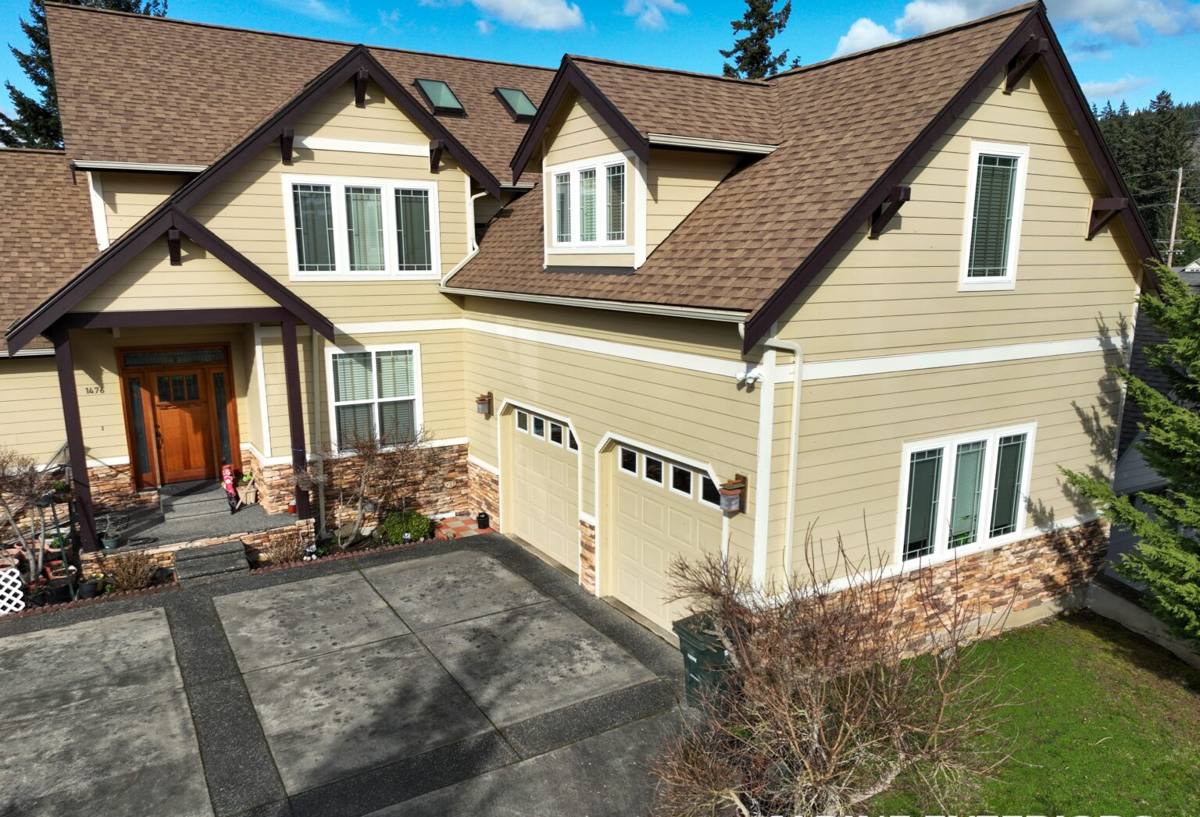
What Everett's Climate Does to a Window Installation Over Time
Salt Air and Hardware Corrosion
Eastmont doesn't sit directly on the waterfront, but Everett as a whole gets enough marine-influenced air off the Sound to accelerate corrosion on lower-grade hardware, fasteners, and frame components. Hardware that would hold up fine in a dry inland climate tends to show pitting, stiffness, or seal failure noticeably sooner here.
Driving Rain
Storms coming off the Sound don't always fall straight down — wind pushes rain sideways into the wall, and that matters because wind-driven rain finds gaps and seams that would stay dry in a calmer climate. The window unit is only part of the defense against that; the flashing and drainage detail around the rough opening is what actually keeps water from getting behind the trim and into the framing.
A Long Moss Season
Mild temperatures and near-constant moisture from fall through spring give moss and mildew a long growing season across Snohomish County, and window sills, trim, and exposed framing are common places it takes hold first. Anywhere water sits instead of draining away, or anywhere porous trim material stays damp, becomes a growth surface eventually — shaded elevations and windows tucked under eaves with poor drainage tend to show it worst.
Condensation From Everett's Temperature Swings
The gap between a heated interior and a cold, wet exterior during an Everett winter puts real condensation pressure on glass and frames. Older single-pane windows and early double-pane units show this constantly — fogging, moisture trapped between panes, or water pooling on interior sills — and that's usually a sign of a failed seal, not just a cosmetic nuisance.
What a Correct Window Installation Actually Involves
Ask five different contractors what "installing a window" means and you'll sometimes get five different answers. For us, a correct installation on an Eastmont home includes several distinct steps, and skipping any one of them is where future leaks come from.
Opening Preparation
Before a new window goes in, the rough opening gets checked for level, square, and soundness. Old caulk, damaged sheathing, or signs of prior water intrusion get addressed before anything new is installed — installing a new window into a compromised opening just seals the existing problem behind new trim.
Flashing and Weather Barrier Integration
This is the step that determines whether a window installation holds up for one wet Everett winter or several decades. Flashing has to lap correctly with the weather-resistive barrier and siding around the opening, in the right sequence, so water is directed out and away from the rough opening rather than trapped behind it. Every seam gets sealed with materials rated for sustained moisture exposure — not caulk used as a stand-in for flashing.
Shimming, Insulation, and Air Sealing
A window needs to be shimmed so it's plumb, level, and square without being racked or stressed, and the gap between the frame and the rough opening needs proper insulation and air sealing. Gaps packed too tight or left too loose both cause problems — one stresses the frame, the other lets air and moisture through.
Interior and Exterior Trim
The trim-out is the last line of defense and the most visible part of the job, but it only works if everything behind it was done correctly. Trim installed over unsealed gaps or bad flashing hides a problem instead of finishing a job.
New Construction Windows vs. Replacement (Retrofit) Windows
Eastmont has a mix of housing ages, and one of the first calls we make on any window installation is whether a home needs new construction windows (installed into a fully open stud opening, with a nailing flange that ties directly into the weather-resistive barrier) or replacement/retrofit windows (installed into an existing frame that stays in place). Each approach has a correct use case, and using the wrong one is a common source of the leaks we get called out to fix.
| Factor | New Construction Window | Replacement (Retrofit) Window |
|---|---|---|
| Best suited for | New builds, additions, or full siding tear-off jobs | Existing openings in sound condition, siding staying in place |
| Flashing access | Full access to the rough opening and sheathing | Limited to the existing frame and surrounding trim |
| Disruption to siding/trim | Higher — siding and trim are opened up | Lower — existing exterior trim generally stays |
| When it's the wrong choice | Using it on a home not otherwise being re-sided | Using it over a rotted or already-compromised frame |
The honest answer for most Eastmont homeowners doing a straightforward window swap is a retrofit installation — but only if the existing frame and sheathing check out sound during the opening inspection. If we find rot or prior water damage back there, we say so before quoting the job, because installing a retrofit window over a compromised opening just buys a few more years before the same repair comes back bigger.
Choosing Window Frame Materials for a Snohomish County Home
We install vinyl and fiberglass window systems suited to Western Washington's wet, mild conditions, and we walk homeowners through the real trade-offs rather than pushing one product as the only right answer.
- Vinyl frames: Generally the more affordable option, and they resist rot in a way uncladded wood never will — a real advantage given how much moisture this region carries through the year.
- Fiberglass frames: More dimensionally stable through temperature swings, and paintable if a homeowner wants a specific color later, usually at a higher price point.
- Glazing package: Double-pane is standard; low-E coatings and gas fills help with both energy performance and interior condensation control during Everett's cold, damp stretches.
- Hardware grade: Corrosion-resistant hardware holds up longer against Snohomish County's marine-influenced air than standard-grade hardware.
Frame material matters, but it's not where most installation failures start. We see far more callbacks traced to flashing and sealing mistakes than to the window product itself — which is why we spend more of the walkthrough talking through installation detail than brand names.
Installation Mistakes We See on Eastmont and Everett Homes
On repair calls in this part of Everett, the water damage behind a window almost never traces back to the window unit failing on its own. It traces back to one of a handful of recurring installation mistakes:
- Caulk used as the only barrier against wind-driven rain instead of a supplement to proper flashing
- Flashing lapped in the wrong order, sending water behind the barrier instead of out over it
- Retrofit windows installed over a frame that was already showing rot
- Gaps packed too tight with insulation, racking the frame out of square
- Trim reinstalled over an opening that was never actually sealed underneath
Our Process
We start with an on-site look at the existing windows and openings — checking frame condition, current flashing, and how the wall assembly around each window is holding up. From there we give a straightforward read on whether new construction or retrofit windows make sense for your home, which openings are sound and which aren't, and a written scope before any work begins. Flashing, insulation, and air sealing are handled as standard practice on every window we install in Eastmont, not offered as an upgrade.
A Checklist Before Hiring for Window Installation in Eastmont
- Ask specifically how they handle flashing and weather barrier integration, not just which window brand they sell
- Confirm current Washington contractor licensing and active liability insurance
- Get a written scope that separates the product warranty from the installation warranty
- Ask whether your home needs new construction or retrofit windows, and why
- Ask about lead times — custom-sized window orders for this region often run several weeks
Why a Local Everett Crew Matters
A contractor who works Eastmont and the rest of Everett regularly already knows how driving rain and salt air behave here compared to a drier climate inland. That shows up in small decisions — how much lap a flashing detail gets, whether an opening with hidden rot gets flagged before the new window goes in, which hardware grade gets specified for a given exposure — and those decisions are what determine whether an installation holds up for one wet season or several decades. It also means fewer surprises around Snohomish County permitting and realistic scheduling around the wetter months.
If you're planning window installation for a home in Eastmont — whether that's a straightforward swap or new construction windows on an addition — we're happy to take a look and give you an honest, no-pressure read. Reach out below for a free estimate.