 Everett
 Windows Built for Pinehurst's Marine Climate
Pinehurst homes sit close enough to Puget Sound and the broader Snohomish County marine environment that windows take a different kind of beating than they would further inland. Salt-laden air works into weep holes and hardware over time. Driving rain off winter storms tests every seam of flashing and sealant. And the long, damp shoulder seasons that define our part of Washington keep north- and shade-facing walls wet enough, long enough, that moss and algae get a foothold on sills, trim, and glazing beads. None of this is dramatic on its own, but stacked up year after year it's exactly the combination that finds every weak point in a window that wasn't installed correctly the first time.
Custom windows for a Pinehurst home aren't just about matching a size or a style. They're about specifying glass, frame material, and flashing details that are actually suited to this climate, then installing them in a way that keeps water moving out and away from the wall assembly instead of pooling and soaking in.
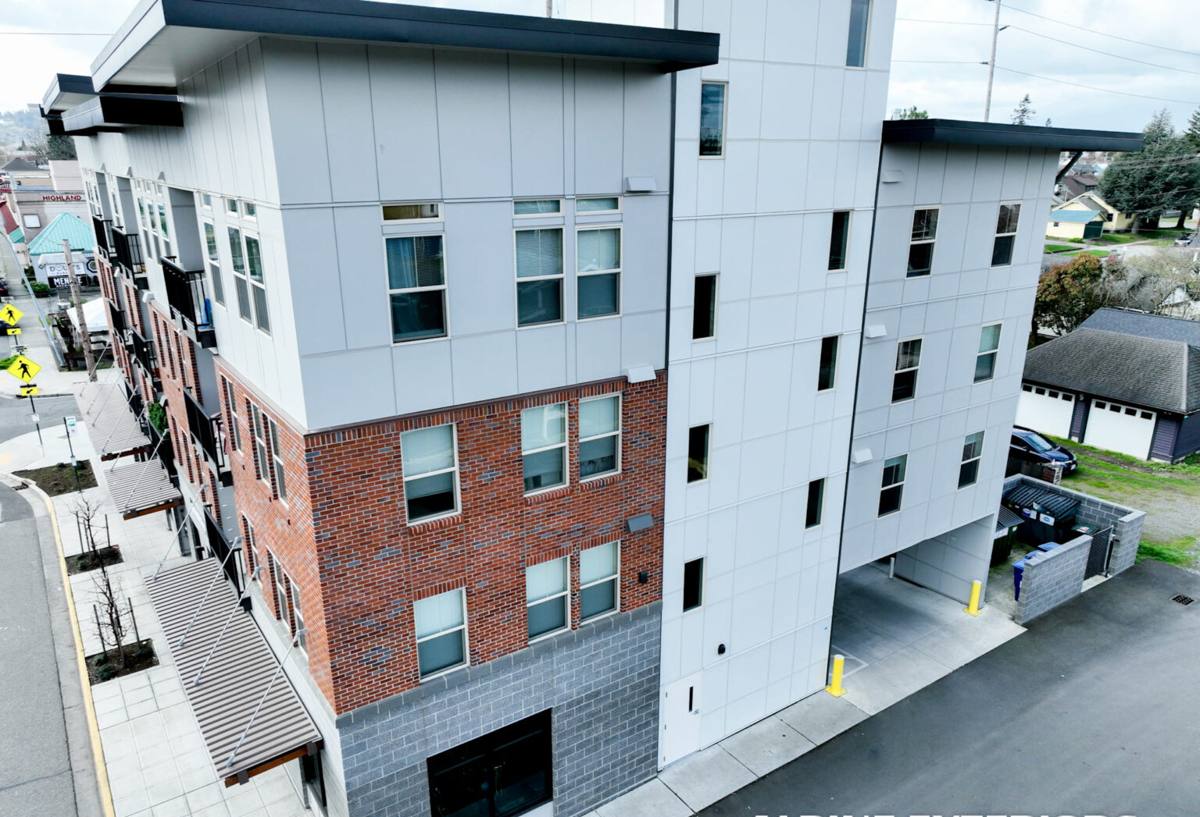
What "Correct" Installation Actually Involves
A lot of window problems homeowners deal with in this area aren't product failures — they're installation shortcuts. The window itself can be a perfectly good unit and still leak, rot the surrounding framing, or fog prematurely if the details underneath the trim were skipped.
The parts nobody sees
- Sill pan flashing — a sloped, sealed pan under the window that gives any water that gets past the exterior seal a way out instead of a way in.
- Weather-resistant barrier integration — the house wrap or building paper has to be lapped correctly around the opening so water sheds over it in the right order, shingle-style, from bottom to top.
- Head flashing — protects the top of the window from the driving, wind-pushed rain that's common here, where rain rarely falls straight down.
- Proper shimming and squaring — a window that's out of square binds, doesn't seal fully when closed, and wears out its hardware and weatherstripping faster.
- Low-expansion foam or backer rod, not just caulk — insulates the gap around the frame without bowing it, which caulk alone can't do.
Get any one of these wrong and the symptoms usually don't show up right away. They show up two, five, or ten years later as soft trim, a musty smell near the window, or a stain on the interior sill — by which point the fix is more than a window replacement.
Choosing the Right Frame Material
Frame material matters more here than in a drier climate, because the frame is what's absorbing sun, rain, and salt air cycle after cycle. There isn't one right answer for every home — it depends on your home's exposure, your budget, and how much upkeep you want to take on.
| Frame Material | Moisture & Salt Air Behavior | Maintenance | Best Fit |
|---|---|---|---|
| Vinyl | Won't rot or corrode; performs well against salt air and rain | Low — occasional cleaning | Budget-conscious replacements, rental or resale-focused projects |
| Fiberglass | Very stable in temperature swings and moisture; holds paint and finish well over time | Low to moderate | Homeowners who want a longer-term investment and a more refined look |
| Wood-clad (wood interior, clad exterior) | Good performance if the cladding and flashing are done right, but the exterior cladding is doing all the weather work | Moderate — exterior finish and seals should be checked periodically | Homes where interior wood aesthetics matter and upkeep isn't a concern |
| Aluminum | Prone to condensation and, over time, corrosion near salt air without a thermally broken frame | Moderate to high | Only with a quality thermal break; we're selective about where we recommend it here |
We don't push one brand or material on every job. What we do insist on is matching the frame to the exposure — a wall that takes direct wind-driven rain off the Sound deserves a different spec than a sheltered wall on the same house.
Glass packages worth asking about
Beyond the frame, the glass package affects comfort and condensation control, which matters in a climate with as much humidity swing as ours. Dual-pane, low-E glass is the baseline we'd recommend for any Pinehurst home; argon fill and warm-edge spacers add a bit more performance for rooms that run cold or face prevailing weather. None of this needs to be complicated — we'll walk through what makes sense for your specific walls rather than upselling a package that doesn't fit the house.
Our Process, Start to Finish
- On-site assessment. We look at each window opening individually — sun exposure, wind exposure, current signs of moisture, and the condition of the existing sill and framing.
- Honest scoping. If we find soft framing or old flashing failures behind the trim, we tell you before work starts, not after we've already opened things up and you're committed.
- Custom measurement and ordering. Openings on older homes are rarely perfectly square, so we measure for what your home actually needs rather than forcing a stock size.
- Removal and prep. Old units come out carefully so we can inspect and repair the framing and sill before anything new goes in.
- Flashing and weather barrier work. This is the step that determines whether the window performs for twenty years or five — sill pans, WRB integration, and head flashing done in the right order.
- Installation, shimming, and sealing. Set square, shimmed evenly, insulated properly, and sealed with materials rated for our climate.
- Interior and exterior trim finish. Matched to the rest of your home's siding and trim detail.
- Walkthrough. We check operation, seals, and finish with you before we call the job done.
Common Issues We See on Older Pinehurst Homes
A lot of the calls we get in this neighborhood aren't for brand-new construction — they're for homes with windows that are original or close to it, showing the wear you'd expect from decades of Snohomish County weather.
Typical warning signs
- Moss or dark streaking building up on sills and lower sashes, especially on north- or shade-facing walls
- Drafts or a noticeable temperature difference near the window even when it's fully closed
- Fogging or moisture between panes on dual-pane units — a sign the seal has failed
- Paint bubbling, soft spots, or discoloration on the interior or exterior trim around the frame
- Windows that are difficult to open, close, or lock, often from a frame that's shifted slightly out of square
- A musty smell near the window that wasn't there before
Any one of these on its own isn't necessarily an emergency. But because our wet season runs long, small issues have more months of the year to get worse before they get better — which is why we'd rather look at a window that's "probably fine" now than wait until it's clearly failing.
What Affects the Cost
Custom window pricing varies a lot from house to house, and we'd rather explain why than quote a number that doesn't mean anything without seeing your home. Broad ranges for a quality custom-fit window, installed, generally run from the low thousands per opening for a straightforward vinyl replacement up to considerably more for larger openings, fiberglass or wood-clad frames, or work that requires framing repair.
| Factor | Why It Moves the Price |
|---|---|
| Frame material | Vinyl is typically the most affordable; fiberglass and wood-clad cost more but bring different longevity and finish options |
| Window size and style | Large picture windows, bays, or custom shapes take more material and labor than a standard double-hung |
| Condition behind the trim | Rotted framing or old flashing failures add repair work before the new window can go in correctly |
| Glass package | Upgrades like argon fill or higher-performance low-E coatings add cost but improve comfort and energy performance |
| Number of openings | Doing several windows in one project usually reduces the per-window cost versus one-off replacements |
| Access and site conditions | Second-story or hard-to-reach openings take more time and equipment |
Maintenance That Actually Extends Window Life Here
Even a well-installed window needs a little attention in a climate like ours. None of this is complicated, and most of it takes an afternoon a couple of times a year.
- Rinse salt residue and grime off exterior glass and frames a few times a year, especially after storms
- Clear moss or algae from sills and tracks before it holds moisture against the frame — a soft brush and mild cleaner is usually enough
- Check that weep holes on the exterior sill are clear so water can drain out instead of sitting
- Inspect exterior caulking and sealant annually and touch up before gaps open up
- Operate locks and hardware periodically so they don't seize from disuse over a wet winter
- Look at interior sills after heavy rain for any sign of moisture intrusion
Why a Crew That Already Works in Pinehurst Makes a Difference
Window installation done right depends on understanding how a specific climate and a specific house type behave together — how much wind-driven rain a wall typically takes, how long moss season really runs here, and what the older housing stock in this part of Everett tends to have going on behind the trim. A crew that's already worked on homes in this neighborhood isn't guessing at any of that. We know the questions to ask before we open up a wall, and we're not learning on your house.
We're also going to be around after the job is done. If a question comes up a year or two later — about a seal, a hardware adjustment, or anything else — you're calling a local crew you can actually reach, not a name that only shows up in your inbox once.
Ready When You Are
If your Pinehurst home has windows that are drafty, hard to operate, showing moisture damage, or just past their useful life, we're happy to take a look and give you an honest read on what's going on — no pressure, no obligation. Fill out the form below for a free estimate, and we'll walk the property with you and talk through what your home actually needs.