 Everett
 Composite Decking Built for Edmonds' Puget Sound Climate
Edmonds sits right on Puget Sound, and that waterfront location shapes everything about how a deck ages here. Salt-laden air off the Sound, long stretches of driving rain, and a moss season that can run from fall through spring all put real stress on outdoor structures. A deck that looks great going in but wasn't built with this specific climate in mind will show it within a few seasons — soft spots, staining, slick spots in the shade, fasteners bleeding rust. Composite decking, installed correctly, is one of the more sensible answers to that problem for homes in this part of Snohomish County.
This page is specifically about composite decking for Edmonds properties, not composite decking in general. The framing, ventilation, and material choices that work in a drier inland climate aren't automatically right for a lot facing the water or tucked under mature evergreens a few blocks up from the shoreline. What follows is how we think about the job when the address is Edmonds.
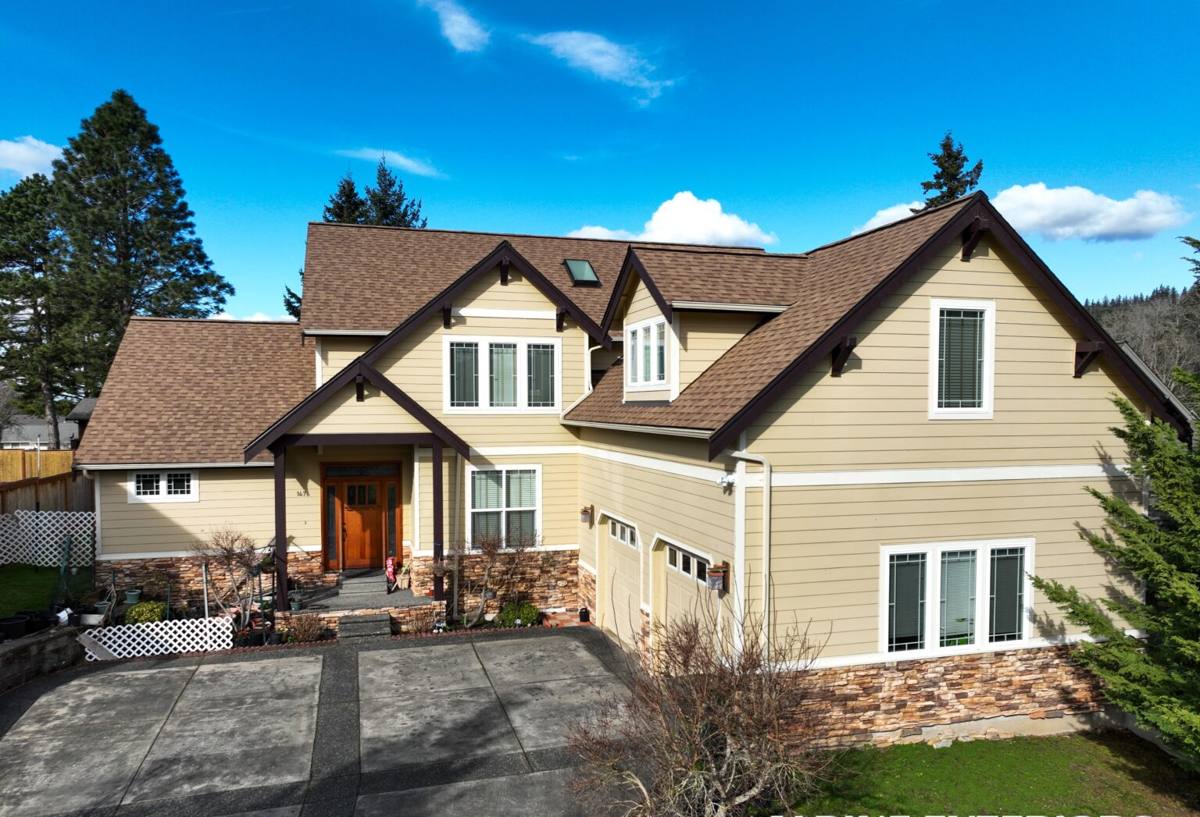
What Edmonds' Weather Actually Does to a Deck
Salt Air and Metal Fatigue
Homes closer to the Sound deal with a low but steady dose of salt in the air. Over time it accelerates corrosion on anything metal — fasteners, joist hangers, railing hardware, post bases. On a wood deck this often shows up first as rust streaking down the boards from every nail head. Composite deck boards themselves don't corrode, but every deck still has a structural frame underneath, and that frame is only as good as the hardware holding it together.
Driving Rain and Standing Water
Storms here don't always come straight down — wind-driven rain gets pushed sideways into ledger boards, under rail posts, and into any gap that wasn't properly flashed or sealed. Combined with our long wet season, that means water finds its way into fastener holes, end cuts, and framing connections far more often than in drier climates. A deck built without real attention to drainage and flashing will trap moisture in the frame even if the surface boards themselves are moisture-resistant.
Moss, Algae, and Shade
Between tree cover and our extended cloudy season, moss and algae growth on deck surfaces is one of the most common complaints we hear from Edmonds homeowners. It's not just cosmetic — a mossy or algae-slicked deck surface gets genuinely slippery, and on stairs or a raised deck that's a real fall hazard, not just an eyesore.
Why Composite Makes Sense for This Area
Composite decking doesn't solve every problem on its own, but it removes several of the failure points that cause the most trouble locally. It won't rot, splinter, or absorb water into the board itself the way wood fibers do, and quality composite boards resist the surface staining that comes from constant damp and organic debris. That said, composite isn't maintenance-free — it still needs to be kept clean, and moss or algae can grow on any exterior surface, composite included, if it's shaded and never cleaned.
| Factor | Wood Decking | Composite Decking |
|---|---|---|
| Moisture absorption | Absorbs water, swells and shrinks seasonally | Minimal absorption in the board itself |
| Moss/algae growth | Grows readily on rough, damp wood grain | Grows on the surface film only; cleans off more easily |
| Salt air exposure | Fasteners and surface both affected over time | Board unaffected; hardware still needs corrosion-resistant fasteners |
| Refinishing | Needs periodic staining or sealing | No staining or sealing required |
| Upfront cost | Generally lower material cost | Higher material cost, lower upkeep cost over time |
| Splintering/cracking | Common as wood ages and dries out | Not a concern with the board material |
We install composite decking as our professional standard for most Edmonds projects because it holds up better against the specific combination of salt air, sustained moisture, and shade this area gets. We're happy to talk through wood alternatives too — it's a legitimate choice with its own trade-offs, and an honest conversation about maintenance burden versus upfront cost is part of a proper estimate.
What a Correct Installation Actually Involves
The visible decking boards are the smallest part of whether a deck holds up in this climate. Most of the failures we get called out to inspect trace back to the framing and details underneath, not the surface material.
Framing and Fasteners
We use corrosion-resistant fasteners and hardware throughout — this matters more here than in a drier inland climate because of the salt air. Joist spacing gets set to match the specific composite board's span rating; composite boards flex differently than wood and using wood-spec joist spacing can lead to a bouncy or sagging deck over time.
Flashing and Ledger Attachment
Where the deck attaches to the house, proper ledger flashing is what keeps wind-driven rain from working its way behind the siding and into the wall assembly. This is one of the most common shortcuts we see on older or DIY decks in this area, and it's also one of the most expensive to fix after the fact if water damage has already reached the house framing.
Drainage and Ventilation Underneath
A deck built low to the ground or over a patio needs a real plan for where water goes — sloped grading, gaps for airflow, and in some cases an underdeck drainage system. Trapped moisture under a deck in a shaded, damp lot is exactly the environment that encourages rot in the framing and moss growth on anything nearby, even if the surface boards are composite.
Railing and Stair Hardware
Rail posts and stair stringers take direct weather exposure and structural load at the same time. We anchor these with hardware rated for the connection type and treat any exposed cut ends or hardware points as places that need extra attention against moisture intrusion.
Choosing Boards and Understanding Cost
Composite board lines vary quite a bit in price and in how they're built. Capped composite boards — where the core is wrapped in a protective outer shell — generally handle our wet, salty, shaded conditions better than uncapped boards, which can absorb more moisture at the edges over time.
| Cost Factor | What It Affects |
|---|---|
| Board tier (capped vs. uncapped) | Moisture resistance, staining resistance, warranty length |
| Deck size and layout complexity | Labor time, framing material, waste factor |
| Height and structure type | Footings, support posts, stair complexity |
| Railing style | Composite/aluminum rail systems cost more than basic wood rail |
| Site access and demo of an old deck | Removal and disposal of existing structure, site prep |
We won't quote a price without seeing the site — deck cost swings widely based on these factors, and anyone quoting a firm number over the phone without a site visit is guessing. What we can say honestly: composite costs more upfront than wood, and that difference is usually recovered over the years in what you don't spend on staining, sealing, and board replacement.
Our Process
- On-site walkthrough of the deck location, existing structure (if any), sun/shade exposure, and drainage path
- Discussion of board tier options and railing systems, with honest trade-offs for your specific lot
- Written estimate covering demo (if needed), framing, decking, railing, and hardware
- Permitting where required by the City of Edmonds or Snohomish County, based on deck height and footprint
- Framing built to the board manufacturer's span specs, with corrosion-resistant hardware throughout
- Ledger flashing and drainage detailing done before a single deck board goes down
- Composite board installation with proper gapping for seasonal movement and drainage
- Final walkthrough covering care and cleaning specific to your deck's sun exposure
Living With a Composite Deck Here: Realistic Maintenance
Composite cuts down on maintenance significantly, but "low-maintenance" isn't "no-maintenance," especially with our moss season. A little regular attention keeps a composite deck looking and performing the way it should for the long run.
- Sweep off leaves, needles, and debris regularly — trapped organic matter is what feeds moss and algae growth
- Rinse the deck surface periodically, more often in shaded areas or under overhangs where sun doesn't dry things out
- Use a soft-bristle brush and a cleaner labeled safe for composite decking if moss or algae does take hold — pressure washing on high settings can damage the board's surface
- Keep planters, mats, and furniture feet from sitting in one spot too long without moving them, which traps moisture underneath
- Check railing hardware and fasteners annually for early signs of corrosion, particularly on decks closer to the water
- Confirm gutters and downspouts near the deck are directing water away, not onto the deck surface or framing
Why a Crew That Already Works Edmonds Matters
A lot of what separates a deck that lasts from one that doesn't isn't the brand of composite board — it's whether the crew building it actually understands what this specific stretch of Snohomish County coastline does to a structure over time. That means knowing which fasteners hold up against the salt air, how to detail flashing for wind-driven rain instead of just vertical rain, and where moss is going to become a problem based on which way a deck faces and how much shade it gets. It also means being familiar with local permitting requirements so the job doesn't stall out partway through. We'd rather build one deck right than build three that need rework.
If you're weighing a new deck or a replacement in Edmonds, we're glad to come take a look, walk the site with you, and put together a straightforward, no-pressure estimate — no hard sell, just an honest read on what your property needs. The form below is the easiest way to get that started.