 Everett
 Building a Deck for Edmonds' Marine Climate
A deck built the same way you'd build one in Spokane or Boise won't hold up the same way in Edmonds. This part of Snohomish County sits right against Puget Sound, which means salt-laden air moving off the water, long stretches of driving rain in the fall and winter, and a moss season that can run from October well into May. None of that is exotic — it's just the normal weather pattern here — but it changes what "correct" looks like for a deck build. Fasteners that would last decades inland can start showing rust in a few years near the water. Wood that isn't detailed for drainage stays damp long enough to rot from the inside. Flat or shaded sections of decking grow moss faster than most homeowners expect, and moss on a walking surface is a real slip hazard, not just a cosmetic nuisance. Our crew works in Edmonds regularly, and this page covers what we've learned building and repairing decks in exactly these conditions — not generic decking advice copied from a warmer, drier climate.
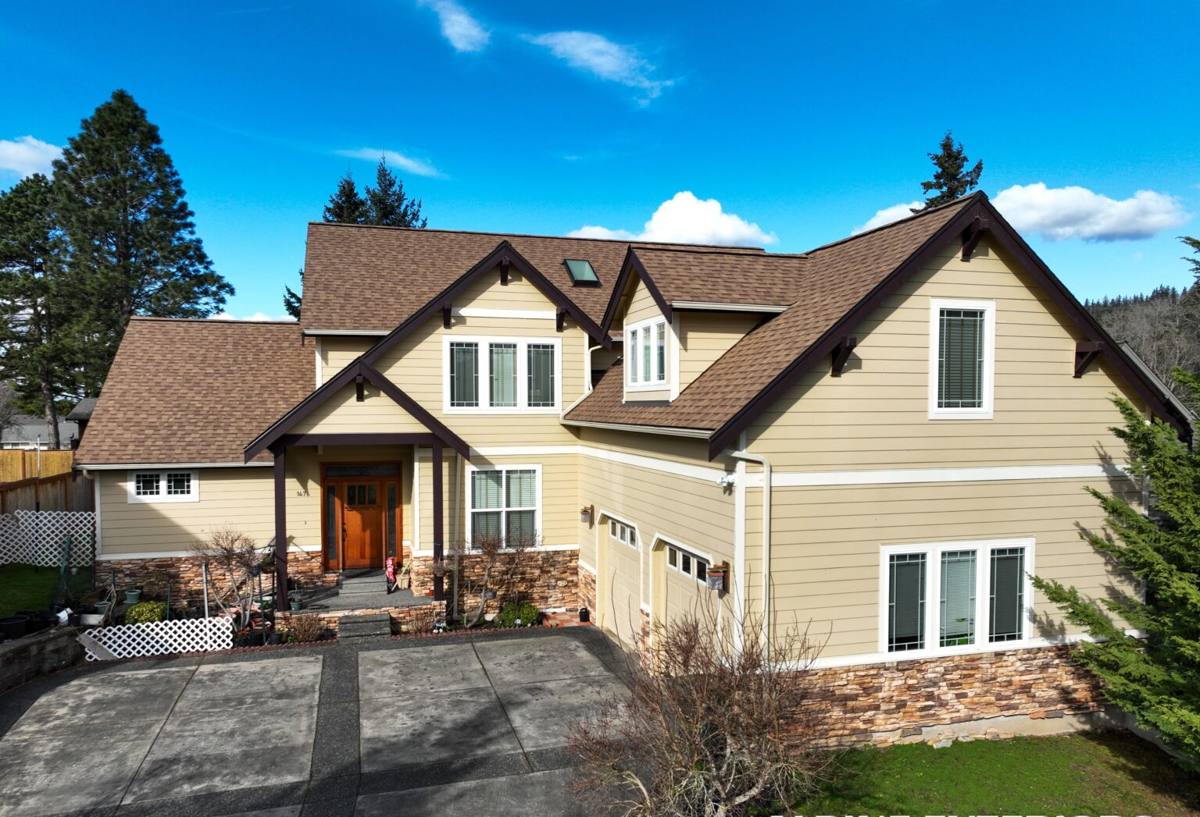
What Salt Air, Rain, and Moss Do to a Deck
Salt Air and Metal
Proximity to Puget Sound means airborne salt settles on exposed surfaces, including every screw, bolt, and bracket on a deck. Standard zinc-coated fasteners can start corroding well before their rated lifespan in a marine-influenced environment. Once a fastener starts to rust, it weakens at the exact point where it's doing structural work, and by the time you can see rust bleeding through the decking surface, the corrosion underneath is usually further along than it looks.
Standing Moisture and Rot
Everett and the surrounding Snohomish County communities get a lot of rain spread across many months, not just occasional downpours. That means wood surfaces don't get the long dry stretches that let them fully shed moisture between storms. Any spot where water can pool — a ledger board without proper flashing, a joist with no gap for airflow, decking boards installed tight against each other — becomes a slow-motion rot problem. It's rarely dramatic; it's a joist that's spongy where nobody's looked, or decking that feels soft near a downspout, discovered years after the fact.
Moss, Algae, and Slip Hazards
Shaded decks, north-facing decks, and decks under mature trees stay damp longest and grow moss fastest. Beyond looking neglected, a mossy or algae-covered deck surface gets genuinely slick when wet, which in this climate means most of the year. Moss also holds moisture against the decking material itself, which shortens the life of wood and can void warranties on some composite products if it's left to build up.
Choosing the Right Decking Material for This Climate
There's no single "best" decking material — there's a best material for a given budget, look, and how much upkeep a homeowner actually wants to do. Here's how the common options hold up specifically against salt air, rain, and moss:
| Material | Moisture & Moss Resistance | Maintenance Needs | Typical Real-World Lifespan Here |
|---|---|---|---|
| Cedar | Naturally rot-resistant but still absorbs moisture over time; needs a breathable finish | Annual cleaning and re-staining or sealing to keep it performing | 15–20 years with consistent upkeep |
| Pressure-treated fir/pine | Treatment resists rot but end cuts and fastener holes are vulnerable if not sealed | Regular sealing, prompt attention to cracks and checking | 15–25 years, shorter if maintenance lapses |
| Capped composite | Very good — the cap layer sheds moisture and resists moss better than wood or wood-plastic blends | Occasional washing; no staining or sealing | 25–30+ years, backed by manufacturer warranty |
| PVC decking | Excellent — fully synthetic, doesn't absorb water, least hospitable surface for moss | Lowest of the group; periodic washing only | 30+ years, typically the longest manufacturer warranty |
Uncapped or first-generation composite decking is worth mentioning as a caution: older composite products without a full cap layer can absorb moisture at the surface, and in a wet climate like this one that shows up as swelling, staining, and mold growth faster than the newer capped products. If a homeowner already has an older uncapped composite deck, that's useful to know going into a repair or replacement conversation.
Framing and Substructure: What's Underneath Matters Most
The decking boards are what you see, but the framing underneath is what determines whether the deck is safe and how long it actually lasts. This is the part of the job that's easiest to shortcut and hardest to inspect once it's covered up.
Ledger Attachment and Flashing
Where a deck attaches to the house is the single most common failure point on older decks — not just here, but especially here, because of how much moisture the connection is exposed to. Proper ledger flashing directs water away from the house band joist instead of letting it wick in behind the siding. A ledger that's bolted on without correct flashing can look fine for years while quietly rotting the framing behind it.
Footings and Soil Conditions
Soils around Snohomish County vary from sandy to heavy clay, and clay-heavy soil holds water and can shift with seasonal moisture changes more than well-draining soil does. Footings need to be sized and set to local frost depth and soil-bearing requirements, and that's part of what the permitting and inspection process is there to catch. Skipping or shortcutting footing depth is one of the most common ways an otherwise good-looking deck ends up with a structural problem down the road.
Fasteners, Brackets, and Hardware
Given the salt air factor discussed above, we spec stainless steel or high-grade coated fasteners and structural hardware rated for exterior, coastal-adjacent use, particularly at the ledger, post bases, and any hidden fastener system. It costs more than using whatever's on the shelf, but replacing corroded structural hardware later means tearing into a finished deck — it's far cheaper to get it right the first time.
Drainage, Slope, and Beating the Moss Season
Good drainage design is what separates a deck that ages well from one that needs early repairs. A few details matter more than people expect:
- Decking boards need consistent gapping so water passes through instead of pooling on the surface
- The substructure needs airflow underneath — enough clearance and ventilation that wood can actually dry out between rain events
- Ledger boards should have a slight slope away from the house, combined with correct flashing, so water sheds away from the structure
- Gutters and downspouts near the deck should be routed away from posts and footings, not dumping straight onto them
- Shaded or low-airflow areas benefit from decking materials chosen specifically for moss resistance, since no amount of cleaning fully offsets a design that traps moisture
For decks over living space or low to the ground, a below-deck drainage system can be worth discussing — it keeps the space underneath usable and dry and reduces how much moisture the framing sits in day to day. It's not necessary on every deck, but it's a real option worth understanding rather than assuming it's out of budget.
Cost Factors to Plan For
Every deck is priced around its own footprint, material, and structural requirements, so a flat number isn't honest. What is useful is understanding what actually moves the budget:
| Factor | Why It Matters Here | Effect on Budget |
|---|---|---|
| Size and footprint | More square footage means more decking, framing, and fasteners | Largest single driver of total cost |
| Height and multi-level design | Taller or multi-level decks need more substantial railings, stairs, and structural bracing | Increases both material and labor cost |
| Material choice | Wood costs less upfront; capped composite and PVC cost more upfront but less over time | Shifts cost between now and years of upkeep |
| Soil and footing requirements | Clay-heavy or uneven soil can require deeper or additional footings | Adds cost that isn't visible until the structural work is done |
| Permitting and engineering | Larger or more complex decks may need engineered plans, not just a standard permit | Adds a fixed cost but protects against rework or rejected inspections |
| Site access | Decks behind a house with tight side-yard access, slopes, or existing landscaping take longer to build | Adds labor time even when the deck itself is a standard size |
As a rough sense of scale, a modest wood deck project often starts in the lower thousands of dollars, while a larger multi-level deck built with capped composite or PVC and added features can run well into five figures. The honest answer is that it depends enough on the specifics that a real number comes from a site visit, not a guess.
Our Process for a Custom Deck Build
The process is the same whether the project is a straightforward rebuild or a larger custom design, and it's built around not skipping the parts that don't show once the deck is finished.
- Site visit and assessment — we look at the existing structure if there is one, check soil and drainage conditions, note sun and shade exposure, and talk through how the space will actually be used
- Design and material selection — layout, railing style, and decking material are chosen together, with moisture and moss exposure factored in from the start rather than treated as an afterthought
- Permitting — we handle the permit application and any required engineering so the footings, framing, and railings meet code before a single post goes in the ground
- Demolition and framing — if replacing an existing deck, removal is done carefully to check the house connection and surrounding siding for hidden moisture damage before new framing goes up
- Decking, railing, and finish work — boards, railings, stairs, and any built-ins go in with attention to the gapping, fastening, and flashing details covered above
- Final walkthrough — we go over the finished deck together and cover basic care specific to the material chosen, so there are no surprises about upkeep down the road
Maintenance Checklist for Edmonds-Area Decks
A deck built correctly for this climate still needs some seasonal attention — it just needs less of it, and the tasks are more about staying ahead of moisture and moss than fighting major repairs.
- Sweep leaves and debris off the deck surface regularly through fall, especially in shaded corners where moss gets a head start
- Rinse or lightly scrub decking at least once or twice a year to knock back algae and moss before it gets established
- Check that gaps between boards are clear of trapped debris so water keeps draining through
- Look at ledger flashing and the house connection point once a year for any signs of staining or moisture
- Inspect visible fasteners and hardware for early rust, particularly near railing posts and stairs
- Re-seal or re-stain wood decking on the schedule the product calls for — don't wait until it visibly needs it
- Keep gutters and downspouts near the deck clear so runoff isn't draining onto framing or footings
Why a Crew That Already Works Edmonds Matters
A lot of what makes a deck last here isn't unusual technique — it's not skipping the details that matter more in this climate than they would somewhere drier. A crew that works Edmonds and the surrounding Everett area regularly already knows which fastener grade to spec without being asked, already builds in drainage and airflow as a default rather than an upsell, and already has a working relationship with local permitting so inspections don't turn into delays. That local familiarity doesn't show up as a line item, but it shows up in how the deck performs five and ten years out, after the salt air, the rain, and the moss have all had their normal season to do what they do.
If you're planning a new deck or need an honest look at an existing one, we're happy to come take a look and talk through what makes sense for your home and budget. The estimate is free, there's no pressure, and you'll get a straight answer either way — just fill out the form below to get started.