 Everett
 Edmonds Windows Face a Different Set of Problems
Edmonds sits close enough to Puget Sound that salt-laden air, wind-driven rain, and long stretches of gray, damp weather are just part of owning a home here. Windows in this part of Snohomish County don't fail because of one bad storm — they fail slowly, from years of moisture working into places it shouldn't be. Aluminum frames pit and corrode. Wood sashes swell, stick, and eventually rot at the corners. Seals on older dual-pane units give out and fog over. And where a window meets the siding, a poor original installation or a couple decades of caulk shrinkage can let water track behind the wall assembly long before anyone notices a stain inside.
Window replacement isn't just a product swap. It's an opportunity to fix the water management at that opening — the flashing, the sill pan, the connection to the house wrap or siding — so the new window actually performs better than the one it replaced, not just look newer.
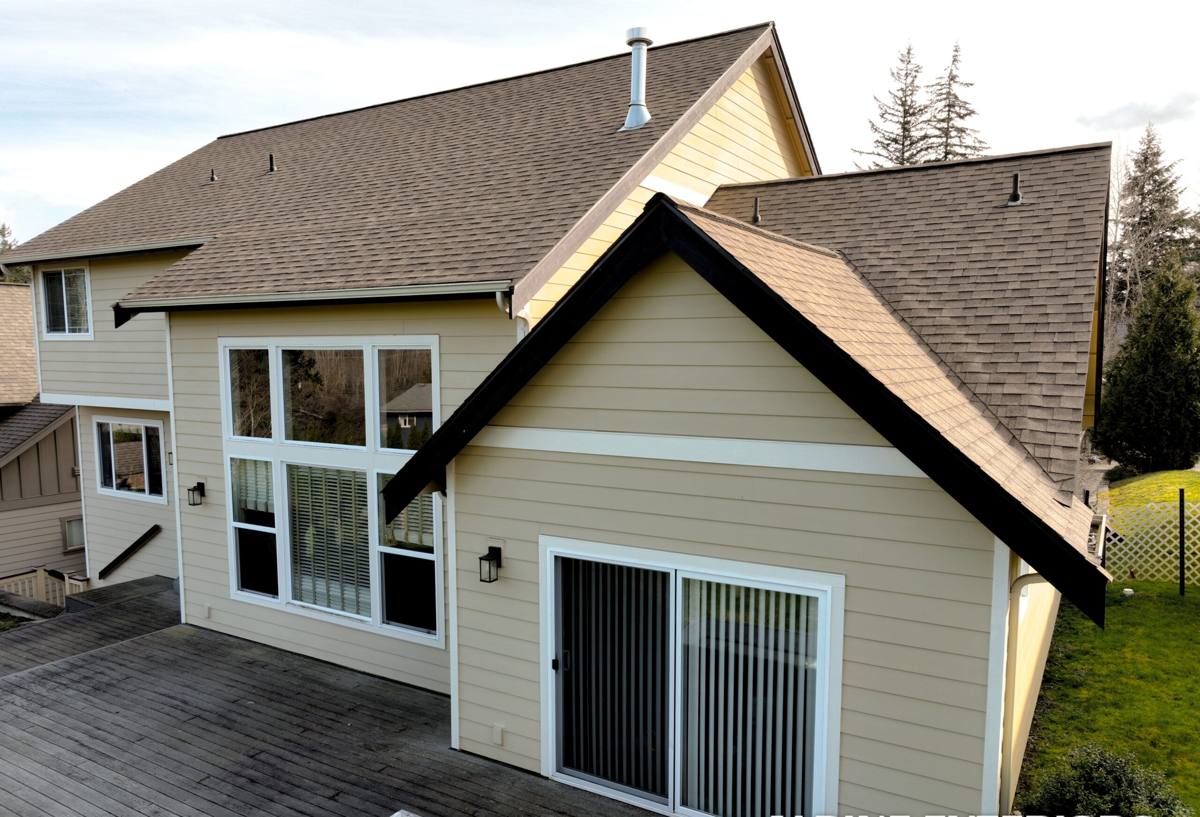
Signs an Edmonds Home Needs New Windows
- Visible condensation or fogging between the panes (the seal has failed and the gas fill is gone)
- Drafts you can feel near the frame even when the window is latched shut
- Wood trim or sills that are soft, discolored, or show early rot — common on west- and south-facing walls that take the brunt of driving rain
- Windows that are hard to open, close, or lock, often from swelling or a frame that's racked slightly out of square
- Moss or dark streaking building up on the sill or the siding just below the window
- Noticeably higher heating bills in a home that hasn't changed its insulation or usage habits
- Visible gaps or cracked caulk where the window frame meets the siding
Any one of these on its own might just need minor repair. Several together, especially on an older home, usually means the windows and their surrounding flashing are due for replacement rather than another round of patching.
Why "Just Reglaze It" Isn't Always the Answer
We get asked fairly often whether a failing seal or a rotted sill can just be repaired instead of replacing the whole window. Sometimes it can — a single failed seal on an otherwise sound frame is a reasonable repair. But once rot has reached the frame itself, or the window is original single-pane or early dual-pane glass from a home built decades ago, patching becomes a short-term fix on a long-term problem. In a climate that stays wet as much of the year as ours does, water finds the weak point again.
What a Correct Window Replacement Actually Involves
The window unit itself is maybe half the job. The other half is everything around it, and it's the part that determines whether the installation holds up through fifteen or twenty more years of Snohomish County winters.
Removal and Inspection
Once the old window is out, the opening gets inspected before anything new goes in. This is where hidden water damage — soft sheathing, rot in the rough opening framing, compromised house wrap — actually gets found. On a coastal climate like ours, catching this now is far cheaper than dealing with it after a new window is sealed in over a hidden problem.
Flashing and Water Management
Every opening gets a properly lapped flashing system — sill pan flashing at the bottom so any water that does get past the window drains back out rather than pooling, side flashing, and head flashing integrated with the house wrap or building paper in the correct shingle-lap order (each layer overlapping the one below it, so water always sheds outward and downward). This is the detail that separates an installation that lasts from one that leads to a callback in a few years.
Setting, Shimming, and Sealing
The window gets shimmed square and plumb, fastened per the manufacturer's schedule, insulated around the frame (not just caulked — gaps get properly filled to control both air and moisture, without overpacking with spray foam that can bow a frame), and sealed with an appropriate exterior sealant rated for our climate.
Siding Integration
Because we work as a siding contractor first, we pay particular attention to how the new window ties back into the surrounding siding and trim — matching reveals, keeping trim lines straight, and making sure the water management at the window doesn't dead-end into a siding detail that traps moisture instead of shedding it.
Frame Material Comparison
| Material | How It Handles Our Climate | Maintenance | Typical Fit |
|---|---|---|---|
| Vinyl | Good moisture resistance, won't rot or corrode; quality varies a lot by manufacturer | Low — occasional cleaning | Most common choice for straightforward replacements |
| Fiberglass | Very stable in temperature swings and damp conditions, holds paint well if a custom color is wanted | Low | Homeowners wanting a longer-term, higher-end option |
| Wood-clad | Attractive interior wood look, but the cladding needs to be detailed carefully or moisture can get trapped against the wood core | Moderate — exterior clad is low, but any exposed wood needs attention | Homes prioritizing a traditional interior look |
| Aluminum | Prone to corrosion and thermal transfer in salt-air, wet climates; generally not what we recommend here | Higher — watch for pitting and condensation | Mostly seen in older original installs we're replacing |
We don't push one brand or material on every job. The right choice depends on the home's exposure, budget, and how the windows will be used — a window on a rain-exposed west wall doesn't need the same spec as one tucked under a deep eave.
Our Process for an Edmonds Window Replacement
- On-site assessment. We look at each opening, note exposure (which walls take the most wind-driven rain), check for existing rot or drainage issues, and take accurate measurements.
- Straightforward quote. You get a written estimate that spells out frame material, glass package, and what's included in the install — no vague allowances.
- Scheduling around the weather. We plan installs to minimize the time an opening sits without a window, which matters more here than in drier climates.
- Removal, inspection, and any needed repair. Any rot or hidden damage found gets addressed and documented before the new window goes in — not covered up.
- Installation with full flashing and sealing. Sill pan, flashing laps, shimming, insulation, and sealant done to spec, not shortcuts.
- Siding and trim cleanup. Trim and siding around the new window get finished to match, so it looks intentional and sheds water correctly.
- Final walkthrough. We check operation, look, and seal with you before calling the job done.
What Affects the Cost of a Window Replacement
| Factor | Why It Matters |
|---|---|
| Number and size of openings | More or larger windows means more material and labor |
| Frame material and glass package | Vinyl, fiberglass, and wood-clad price differently; upgraded glass (low-E coatings, thicker glass for sound or energy performance) adds cost |
| Condition of the existing opening | Hidden rot or framing damage found during removal adds repair time before the new window can go in |
| Retrofit vs. full-frame replacement | A retrofit reuses the existing frame where sound; full-frame replacement removes it entirely and is more involved but often necessary when moisture damage is present |
| Access and site conditions | Second-story or hard-to-reach windows take more time and equipment |
We don't quote in vague ranges pulled from nowhere — every estimate is based on your specific windows and their condition, walked through in person before you commit to anything.
Why Hiring a Crew That Already Works Edmonds Matters
Window replacement done wrong doesn't usually fail on day one. It fails two or three winters later, when a flashing detail that looked fine on install day finally lets water track into the wall. A crew that works Snohomish County regularly has already seen how homes in this specific environment take on water — where moss builds up and holds moisture against a sill, which wall orientations catch the worst of the wind-driven rain off the Sound, and how older Edmonds housing stock was originally flashed (or wasn't). That experience shows up in the small decisions made on-site, not just in the window brand on the invoice.
It also matters for warranty and accountability. A local company that's still going to be answering the phone in five years has every reason to install it right the first time.
Questions Worth Asking Any Contractor Before You Sign
- Will you inspect the rough opening for rot or damage before installing, and what happens if you find it?
- What flashing method do you use, and does it tie into the existing house wrap or siding correctly?
- Is this a retrofit install or full-frame replacement, and why do you recommend one over the other for this opening?
- What's covered under warranty — the product, the labor, or both — and for how long?
- Can you match the trim and siding detail around the new window to the rest of the house?
Getting Started
If you're noticing drafts, fogged glass, sticking sashes, or moisture damage around your windows, it's worth having someone take an honest look before deciding whether you need a repair or a full replacement. We offer free, no-pressure estimates for Edmonds homeowners — use the form below to get a straightforward assessment of your windows and what it would take to get them performing the way they should.