 Everett
 Why Edmonds Roofs Take a Different Kind of Beating
Edmonds sits close enough to Puget Sound that salt-laden air, driving rain off the water, and long stretches of overcast, damp weather are just part of owning a home here. That combination doesn't show up as one dramatic failure. It shows up slowly, as granule loss on shingles, soft spots around flashing, and moss creeping up from the north-facing slopes where sun never quite reaches. By the time a homeowner notices a stain on the ceiling, the roof has usually been losing the fight for months.
Storm damage in this part of Snohomish County rarely looks like a single big event, even though wind and heavy rain events do plenty of damage on their own. More often it's cumulative: a windstorm lifts a few shingle tabs, the next atmospheric river drives rain sideways under that lifted edge, and moss that's been building for a season holds moisture against the deck long enough to start rot. Repairing storm damage correctly here means understanding that layered history, not just patching whatever is visible from the ground.
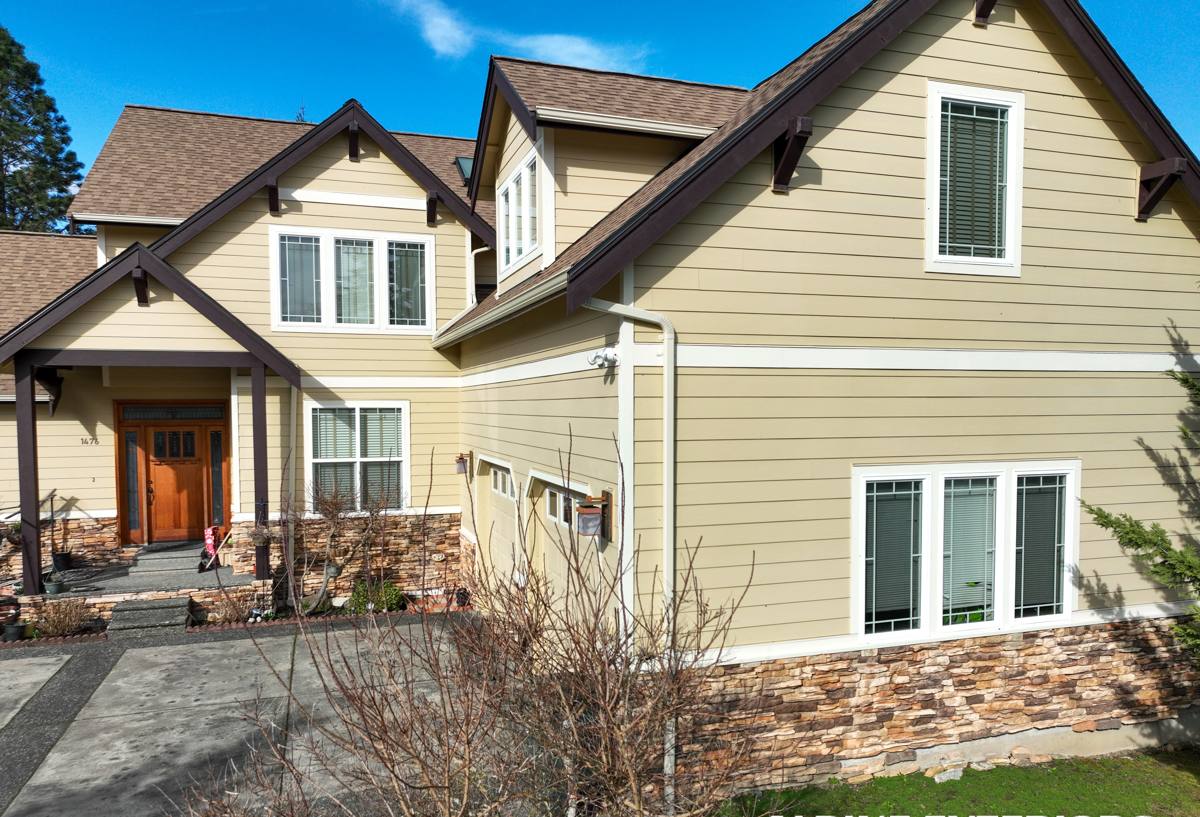
What Edmonds Homes Actually Need From a Roof Repair
Salt Air and Metal Components
Homes closer to the water deal with accelerated corrosion on exposed metal — flashing, fasteners, vent caps, and gutter hardware. A repair that reuses corroded fasteners or uncoated flashing is a repair that's already on a shorter clock than it should be. We match metal components to their exposure, not just to what's cheapest or fastest to install.
Wind-Driven Rain
Rain that comes off the Sound rarely falls straight down. It gets pushed sideways under eaves, around chimneys, and along valleys. A repair that only addresses the top layer of shingles without checking the underlayment and flashing beneath it can look finished while still leaving a path for water to get in during the next storm.
Moss and Moisture Retention
Snohomish County's moss season runs long — shaded, north-facing roof sections can stay damp for weeks at a time. Moss isn't just cosmetic. Its root structure lifts shingle edges and holds water against the roof surface, which is exactly the condition that turns a minor storm nick into a leak. Any real repair has to account for where moss has already been doing quiet damage, not just where the storm hit.
What a Correct Storm Damage Repair Actually Involves
A proper repair starts with figuring out what's actually wrong, not just covering the spot where water showed up inside the house. Interior stains often point to a leak location well downhill from where the water is actually entering, especially on a roof with any complexity to its planes.
- Full roof inspection, not just the area over the reported leak — wind and moss damage rarely stay contained to one spot
- Check of flashing at every penetration: chimneys, vents, skylights, and wall-to-roof transitions
- Inspection of the decking itself for soft spots, not just the shingles on top of it
- Assessment of moss and organic growth, including how far it's spread under shingle edges
- Gutter and downspout check, since a clogged or damaged gutter system can push water back under the roof edge during heavy rain
- Matching repair materials to the existing roof so patched areas hold up the same as the rest
Skipping any of these steps is how a homeowner ends up paying for the same leak twice — once for a patch that didn't address the real cause, and again a year later when it comes back.
Our Process for Edmonds Storm Repairs
1. Inspection and Honest Assessment
We start with a full inspection, on the roof and from the ground, and we tell you what we actually find — including if the damage is minor and doesn't need the repair someone else quoted you. Not every storm mark needs a full section replacement.
2. Clear Explanation Before Any Work Starts
You get a plain explanation of what's damaged, why it happened, and what fixing it involves. If there's a decision to make — repair a section versus address a wider moss or ventilation issue — we walk through the trade-offs instead of just picking for you.
3. Repair Work Matched to the Cause
Storm damage from wind gets addressed differently than damage from prolonged moisture exposure. We repair to the actual cause, including any underlayment or decking issues found along the way, not just the surface layer.
4. Cleanup and Debris Removal
Old shingle material, moss debris, and any replaced flashing get hauled off. We don't leave storm debris or repair scraps for you to deal with.
5. Follow-Up
If a repair doesn't hold the way it should, we want to know. A repair that needs a callback isn't a finished job.
Repair vs. Replacement: How We Help You Decide
Not every storm-damaged roof needs to come off. But a roof that's already near the end of its service life, or that has widespread moss damage across multiple sections, may be better served by replacement than by chasing repairs one storm at a time. Here's how we generally think about it:
| Factor | Leans Toward Repair | Leans Toward Replacement |
|---|---|---|
| Age of roof | Under 12-15 years | Approaching or past manufacturer's expected lifespan |
| Extent of damage | Localized to one section or penetration | Spread across multiple slopes or the whole roof |
| Decking condition | Solid, no soft spots found | Rot or soft decking found in more than one area |
| Moss history | Recent growth, shingles still intact underneath | Long-term moss with lifted or degraded shingles across shaded slopes |
| Prior repairs | First repair needed in several years | Repeated patch jobs in the same areas |
We'll always give you our honest read on which category your roof falls into, and we're not going to push a full replacement when a targeted repair will genuinely do the job.
Cost Factors for Storm Damage Roof Repair
Every roof and every storm event is different, so we don't quote a number until we've actually inspected the damage. That said, a few factors consistently move the price up or down:
- Size and number of areas affected — one flashing repair costs far less than repairs spread across several planes
- Roof pitch and access — steeper roofs and taller homes take longer and require more safety setup
- Underlying decking condition — if rotted decking needs to be cut out and replaced, that adds material and labor
- Material match — matching an older or discontinued shingle style can take more sourcing time than a straightforward like-for-like replacement
- Extent of moss remediation needed alongside the repair
We'll break down what's driving the cost on your specific roof before any work begins, so there are no surprises on the invoice.
Why It Matters That We Already Work in Edmonds
A crew that works Snohomish County regularly has already seen how the local climate treats different roofing materials over time — which flashing details hold up to years of salt air, which north-facing sections need extra attention for moss, and how quickly a small wind-lifted shingle turns into an interior leak once the fall rains set in. That familiarity means less guesswork on your roof and fewer surprises once work is underway.
It also means we're not guessing at permitting norms, disposal logistics, or typical construction in Edmonds homes. We show up knowing the kind of roofs and weather exposure this area deals with, which lets us focus the inspection on what's actually likely to be wrong rather than starting from zero.
Signs You Shouldn't Wait On
Some storm damage is obvious — missing shingles, visible holes, debris punctures. Other signs are easy to miss until they've caused real damage:
- Granules collecting in gutters or at downspout outlets after a storm
- Shingle tabs that look lifted or curled at the edges, especially after high wind
- New or spreading moss patches on shaded roof sections
- Water stains on interior ceilings or upper walls, even faint ones
- Sagging or soft-feeling areas when walked, viewed, or checked from an attic
- Rusted or visibly deteriorating flashing around chimneys and vents
Any of these are worth a proper inspection before the next storm rolls through, not after.
If a recent storm has you wondering about the condition of your roof, or you've noticed any of the signs above, we're glad to take a look. Fill out the form below for a free, no-pressure estimate — we'll give you a straight answer about what's actually going on and what it would take to fix it right.