 Everett
 Why Glenhaven Homes Need a Different Approach to Windows
Glenhaven sits in the kind of Everett neighborhood where the weather does real, cumulative work on a house over the decades. You're close enough to Puget Sound to catch salt-laden air on windy days, far enough into a wet climate that driving rain finds every weak seam, and locked into a moss season that runs longer here than almost anywhere else in the country. None of that is dramatic on its own. It's the slow accumulation — years of moisture cycling through frame joints, seals softening, glass fogging between panes — that eventually shows up as a drafty room, a window that won't latch right, or a heating bill that creeps up every winter.
Energy-efficient windows aren't just about comfort or a lower utility bill, though both matter. In Snohomish County's climate, the window itself is one of the first lines of defense against moisture intrusion. A window that's failing thermally is very often a window that's also failing at keeping water out, because the same seals and glazing that hold heat in are the ones that keep rain from working its way behind the trim and into the wall assembly. Treating window replacement as an energy project and a moisture-management project at the same time is the difference between a job that lasts and one that needs revisiting in five years.
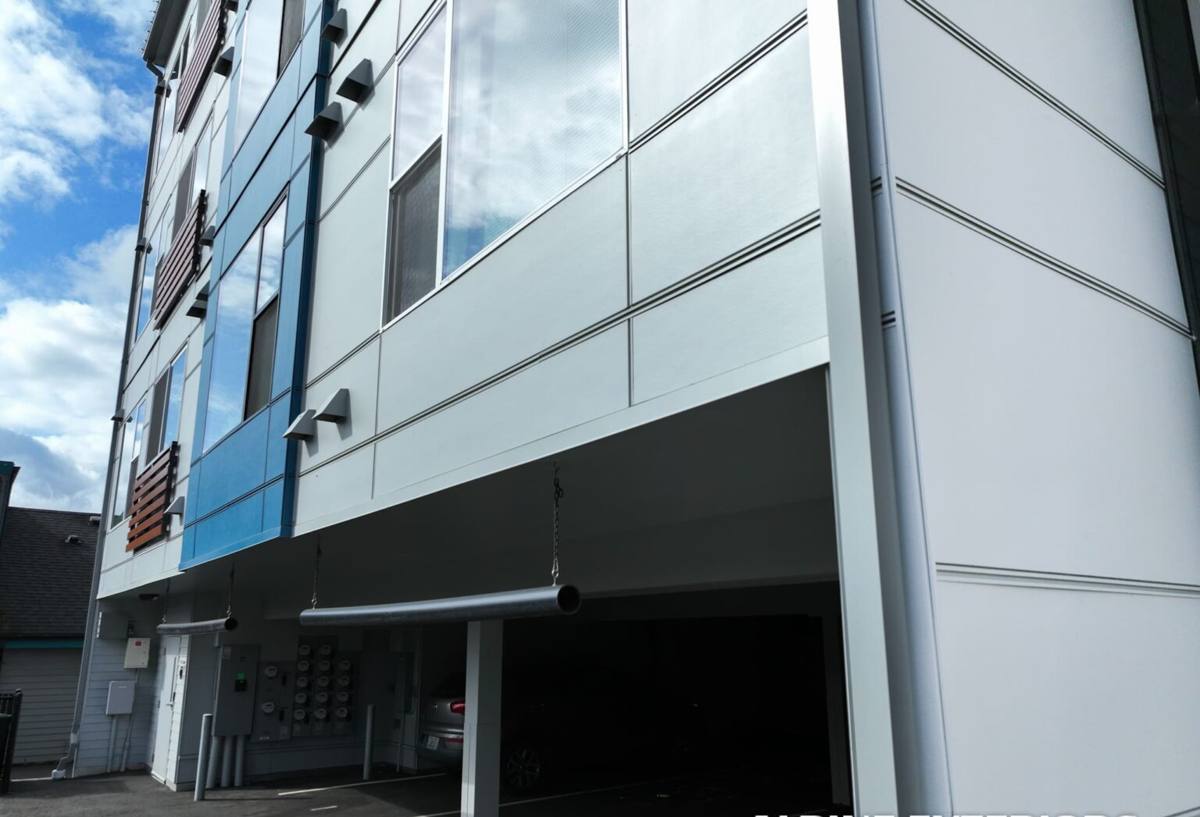
What Everett's Climate Actually Does to a Window Over Time
Salt Air and Metal Components
Homes closer to the water deal with a slow corrosive effect on exposed metal hardware — hinges, cranks, locking mechanisms, and some frame fasteners. It's gradual, but it's real, and it's one reason we pay attention to hardware material and finish, not just glass performance, when we spec a replacement window for this area.
Driving Rain and Wind-Driven Moisture
Everett gets rain that doesn't fall straight down. Wind-driven rain pushes water sideways into any gap in flashing, sealant, or the window-to-wall transition. A window can be perfectly rated for energy performance on paper and still leak if it's flashed incorrectly or if the sealant around it has failed. Installation quality matters as much as product quality here — arguably more.
Moss and Prolonged Dampness
Our moss season is long because our damp season is long. Moss and algae growth on and around window sills, especially on north-facing or shaded elevations common in tree-covered Glenhaven lots, holds moisture against wood trim and sills far longer than a dry climate ever would. That prolonged contact is what rots sills and swells frames — not a single storm, but months of low-grade dampness that never fully dries out between rain events.
What "Energy-Efficient" Actually Means for a Window
The term gets used loosely in marketing, so it's worth being specific about what actually drives performance in a real Pacific Northwest home.
- U-factor: measures how well the window resists heat transfer. Lower is better for our climate, where the priority is keeping heat inside during long, cool, wet stretches of the year.
- Glazing (double vs. triple pane): more panes and better gas fill between them reduce heat loss and improve sound dampening, which also matters on busier Everett streets.
- Frame material and construction: the frame is where thermal bridging and moisture problems usually start. A well-built frame with proper drainage paths performs very differently from one that just looks similar on a showroom floor.
- Seal and gasket quality: this is what actually fails first in our climate. Even a well-rated window underperforms once its seals degrade from years of moisture cycling.
- Proper flashing and installation: no window, regardless of its rating, performs as designed if it isn't flashed and sealed correctly for wind-driven rain. This is the step that separates a lasting job from a callback.
Frame Material Comparison for This Climate
| Frame Type | Moisture Resistance | Maintenance | Typical Fit for Glenhaven Homes |
|---|---|---|---|
| Vinyl | Good — won't rot, handles damp conditions well | Low — no painting or sealing needed | Strong all-around choice for most homes; good value |
| Fiberglass | Very good — dimensionally stable in temperature and moisture swings | Low | Good option where long-term stability and lower expansion/contraction matter |
| Wood-clad | Depends heavily on cladding integrity and installation | Higher — cladding seams and sills need periodic attention | Best for homes prioritizing a traditional wood interior look, with the tradeoff understood upfront |
| Aluminum | Weaker thermally; can promote condensation without thermal breaks | Moderate — watch for corrosion near the water | Generally not our first recommendation for this climate unless the design calls for it |
We'll walk through these tradeoffs honestly during an estimate rather than pushing one material for every home. The right frame depends on your home's exposure, budget, and how much upkeep you want to take on.
Signs a Glenhaven Home's Windows Are Underperforming
- Visible condensation or fogging between panes of double- or triple-glazed units — a sign the seal has failed
- Cold drafts near the window frame even when it's fully closed and latched
- Sills or lower frame corners that feel soft, discolored, or show paint bubbling
- Difficulty opening, closing, or locking that's gotten worse over a year or two
- Visible moss, algae, or persistent black staining on sills or trim
- A noticeable jump in heating costs without a change in usage habits
- Noise from outside that seems louder than it used to
Any one of these on its own might just mean a single window needs attention. Several at once, especially across windows facing the same direction, usually points to a broader pattern worth addressing as a group rather than one at a time.
How We Approach a Window Replacement Job
1. On-Site Assessment
We look at each window individually — frame condition, sill condition, sun and wind exposure, and how the existing unit is flashed. Not every window on a house is in the same shape, and the assessment tells us which ones genuinely need replacement versus which might just need better sealing or trim repair.
2. Product Selection Based on Exposure
A window on the rain-facing or wind-exposed side of the house may warrant a different spec than one on a sheltered elevation. We talk through frame material, glazing, and hardware options against your budget and the specific exposure of each opening, rather than recommending one blanket solution for the whole house.
3. Removal and Inspection of the Opening
Once the old window is out, we check the rough opening for hidden moisture damage, deteriorated sheathing, or compromised framing — problems that are invisible until the window is removed. This step matters more in our climate than in drier regions, because water can travel and cause damage well behind where it first entered.
4. Correct Flashing and Air/Water Sealing
This is the step that determines whether a window actually performs the way its rating suggests. Proper flashing tape, sill pans where appropriate, and correctly sequenced sealant are what keep wind-driven rain out over the long run — not just at install, but ten and twenty years out.
5. Interior and Exterior Finish Work
Trim, caulking, and finish detailing are done to match the home and to close off any remaining path for moisture or air infiltration.
6. Final Walkthrough
We check operation, seals, and finish work with you before considering the job done.
Cost Factors Homeowners Should Understand
Every home and every job is different, so we won't quote a number without seeing the work, but the main variables that move the price are consistent:
| Factor | Why It Matters |
|---|---|
| Number and size of windows | Larger openings and more units naturally scale the total cost |
| Frame material chosen | Vinyl, fiberglass, and wood-clad options sit at different price points |
| Glazing package | Triple-pane and upgraded gas fills cost more than standard double-pane |
| Condition of the existing opening | Hidden rot or framing repair found during removal adds labor and materials |
| Access and elevation | Second-story or hard-to-access windows take more time and equipment |
| Trim and finish complexity | Custom trim profiles or matching existing woodwork adds labor |
Broadly, homeowners in this area should expect standard vinyl replacement windows to run from the low hundreds to over a thousand dollars per window installed, with fiberglass, wood-clad, or larger custom units landing higher. We'll give you real numbers, window by window, after we've actually looked at your home.
Why It Matters to Hire a Crew That Already Works in This Area
Window installation standards that work fine in a dry climate aren't automatically adequate here. A crew that installs windows regularly in Everett and greater Snohomish County has already worked through what wind-driven rain and long wet seasons demand from flashing details, sealant choice, and sill design. That's not a marketing point — it's the practical reason a window installed correctly the first time in this climate keeps performing for decades, while one installed to a lower standard can start leaking within a few wet seasons even if the product itself was good.
We also know that Glenhaven's mix of mature trees and residential lots means shade, debris, and moss exposure vary a lot from one house to the next, sometimes from one side of a house to the other. That's part of why we assess window by window rather than treating a whole house as one uniform job.
Maintaining Energy-Efficient Windows Once They're In
- Clean weep holes and drainage tracks periodically so water can exit the frame as designed
- Keep sills and surrounding trim free of moss and organic debris, especially on shaded elevations
- Check and refresh exterior caulking where it meets siding or trim every few years
- Operate locking hardware regularly — hardware that sits unused can seize or corrode faster near the water
- Watch for early condensation between panes, which signals a seal issue worth addressing before it worsens
New windows reduce a lot of the maintenance burden older, failing units create, but they aren't maintenance-free. A little attention each year keeps them performing at the level they were installed to deliver.
If you're noticing drafts, fogged glass, or sticky sashes in your Glenhaven home, we're happy to take a look and give you a straightforward, no-pressure estimate — just fill out the form below.