 Everett
 Siding Built for Glenhaven's Corner of Everett
Glenhaven sits inside Everett, Snohomish County, close enough to Puget Sound and the Snohomish River delta that homes here deal with a specific combination of weather stress: salt-tinged marine air, long stretches of driving rain off the Sound, and short, weak winters that never quite dry things out before the next system rolls in. That combination is hard on exterior materials that aren't built for it. Paint fades unevenly, wood trim swells and cracks, and anything with a seam or a fastener that wasn't sealed correctly becomes a slow leak point. Siding in this part of Everett isn't just cosmetic — it's the first line of defense against a climate that stays damp for most of the year.
This page is about one job in one neighborhood: installing James Hardie fiber cement siding on Glenhaven homes correctly, the first time, by a crew that already knows what this specific stretch of Everett does to a house.
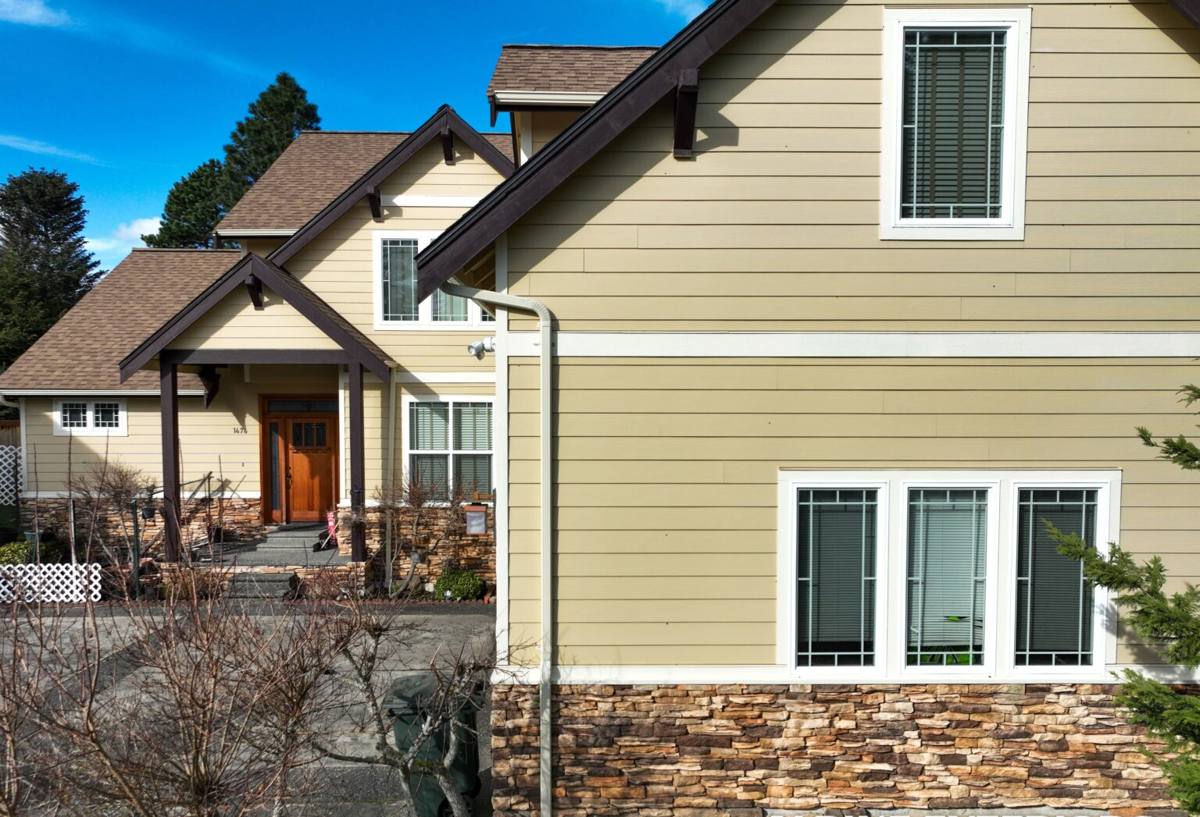
What the Climate Actually Does to Siding Here
Salt Air and Slow Corrosion
Homes closer to the water pick up airborne salt that settles on exterior surfaces and accelerates the breakdown of unprotected fasteners, cheap trim, and lower-grade coatings. It's a slow process, not a dramatic one — which is exactly why it gets missed. A siding system that isn't rated for coastal-influenced exposure can look fine for a few years and then start showing streaking, fastener bleed, and finish failure all at once.
Driving Rain and Wind-Driven Moisture
Everett doesn't just get rain, it gets rain pushed sideways by wind coming off the Sound. That matters because siding isn't only judged on how it sheds water straight down — it has to hold up when water is being driven up under laps and around openings. Weak points show up at butt joints, window and door trim, and anywhere flashing was skipped or installed backwards.
Moss, Mildew, and a Long Wet Season
Western Washington's moss season isn't a few weeks — it's most of the year on shaded, north-facing, or tree-covered walls, which describes a lot of established Everett lots with mature landscaping. Moss and mildew don't just look bad; they hold moisture against the siding surface far longer than open air would, which is exactly the condition that breaks down poorly sealed seams and untreated wood.
Why We Install Only James Hardie Fiber Cement
We don't install vinyl, LP SmartSide, primed wood, or cedar, and we don't install other fiber cement brands like Allura or Cemplank. That's a deliberate standard, not a sales pitch. James Hardie is the fiber cement manufacturer that engineers products specifically for regional moisture and climate zones — including an HZ5 formulation built for the wetter, harsher exposure found in the Pacific Northwest — and backs the finish with a factory-applied ColorPlus coating rather than field-applied paint that has to be reapplied on a maintenance schedule.
Fiber cement itself is non-combustible, resists moisture-driven swelling and rot the way wood products can't, and holds its shape and paint line far longer than vinyl in direct sun and temperature swings. Choosing one manufacturer and installing it correctly, every time, means we know exactly how the product behaves in this climate and exactly how it should be flashed, gapped, and finished — instead of switching specs from job to job.
What a Correct Fiber Cement Installation Involves
Fiber cement siding is only as good as the installation behind it. Most of the failures we get called out to inspect on other contractors' work trace back to a handful of shortcuts, not the material itself.
- Proper starter strip and level baseline so every course locks in true
- Correct fastener type, spacing, and depth — overdriven nails crack the board and void warranty coverage
- Manufacturer-spec gaps at butt joints and trim, sealed with the right sealant rather than caulked shut with no room to move
- Flashing installed above windows, doors, and any horizontal trim so water sheds outward instead of behind the board
- Correct minimum clearance from grade, decks, and roof lines to keep the bottom edge from sitting in standing moisture
- Factory-cut edges primed and sealed on any field cuts, since a raw cut edge is where moisture gets in first
None of this is unusual or proprietary — it's simply the difference between following Hardie's published installation requirements and not. The gap between those two outcomes is where most premature siding failures come from, regardless of brand.
Our Process for a Glenhaven Project
1. On-Site Assessment
We walk the exterior, check the condition of the existing siding, trim, and any moisture-exposed areas, and look at how the home is oriented relative to prevailing wind and rain direction — a detail that matters more in this part of Everett than in drier inland areas.
2. Product and Line Selection
We go over which HardiePlank or Hardie panel profile and ColorPlus finish fit the home, and explain the reasoning rather than just handing over a sample board.
3. Prep and Moisture Barrier Check
Before new siding goes up, we confirm the weather-resistive barrier and flashing underneath are sound. Covering a hidden moisture problem with new siding just delays a bigger repair.
4. Installation to Spec
Fastening, gapping, and flashing follow James Hardie's published requirements exactly — not a faster version of them.
5. Final Walkthrough
We check seams, trim lines, and caulking with you before calling the job finished, and explain basic care so the siding performs the way it's designed to for decades, not just for the first few years.
How Fiber Cement Compares to Other Siding Choices
| Material | Moisture Behavior in This Climate | Maintenance | Typical Lifespan |
|---|---|---|---|
| James Hardie Fiber Cement | Engineered HZ5 formulation for wet, coastal-influenced climates; resists swelling and rot | Occasional wash; factory finish, no repainting on a fixed cycle | Multiple decades with correct install |
| Vinyl Siding | Won't rot, but can warp, fade, and lets water travel behind panels at seams | Low, but panels can crack in cold and fade unevenly in sun | Moderate, replacement often driven by appearance |
| Cedar / Primed Wood | Absorbs moisture readily; prone to swelling, cupping, and rot in prolonged wet exposure | Regular repainting/staining and moisture monitoring required | Shorter without consistent upkeep |
| LP SmartSide (engineered wood) | Treated to resist moisture but still wood-based; edge and cut exposure are sensitive points | Field-applied paint maintenance over time | Depends heavily on installation and upkeep |
Every one of these products has a legitimate place in the market. Our decision to install only James Hardie fiber cement comes down to how consistently it performs against Everett's specific mix of salt air, wind-driven rain, and year-round dampness when it's installed correctly — and our confidence in explaining exactly how it was installed on your home.
What Affects the Cost of a Fiber Cement Siding Job
| Cost Factor | Why It Matters |
|---|---|
| Home size and wall complexity | More corners, dormers, and cutouts mean more cutting, flashing, and labor time |
| Existing siding removal and substrate condition | Rot or moisture damage found underneath adds repair scope before new siding goes up |
| Board profile and ColorPlus color selection | Lap width, texture, and finish options carry different material costs |
| Trim and accessory scope | Corner boards, window trim, and fascia work add to labor and material totals |
| Access and site conditions | Fencing, landscaping, grade, and structure height affect setup and staging time |
We're not going to quote a number without seeing the home — anyone who does hasn't actually looked at what's involved. A real estimate walks through these factors specifically for your house.
Signs Your Current Siding Is Losing the Fight
A lot of siding replacement calls we get in this area start with one of these:
- Visible moss or dark streaking that keeps coming back after cleaning
- Soft spots, bubbling, or a spongy feel when you press on the siding, especially low on the wall
- Paint that's peeling, chalking, or fading unevenly across the same wall
- Warping, cupping, or gaps opening up at seams and corners
- Rising utility bills that suggest the wall assembly isn't holding heat the way it used to
- Visible fastener staining or corrosion streaks running down from nail heads
Any one of these on its own isn't necessarily an emergency, but a few together usually mean the siding is past the point where washing and touch-up paint will hold it off much longer.
Why a Crew That Already Works Glenhaven Matters
Everett's building department requirements, typical lot setups, and the way established neighborhoods like Glenhaven mix home ages and construction styles all factor into how a siding job actually gets planned and executed — not just priced. A crew that's already worked this part of the city isn't guessing at how the wind and rain hit a given orientation, or what condition to expect under older siding on a home of a certain age. That familiarity shows up in fewer surprises mid-project and a tighter, more accurate estimate up front.
If your Glenhaven home needs new siding — or you just want an honest read on the condition of what's on the walls now — we're happy to come take a look. The estimate is free, there's no pressure, and you'll get a straight answer about what your home actually needs. Use the form below to get started.