 Everett
 Siding Installation in Lake Stevens: What the Climate Actually Demands
Lake Stevens sits inland from Puget Sound, but the same weather pattern that soaks the rest of Snohomish County soaks Lake Stevens too — long stretches of driving rain from fall through spring, heavy tree cover that keeps siding shaded and slow to dry, and lake-adjacent humidity that lingers on north- and east-facing walls well after a storm has passed. Add in the salt-tinged marine air that moves inland off the Sound on windy days, and you have a climate that is genuinely hard on exterior building materials, even for homes that never see saltwater directly.
The practical result for homeowners here is a long moss season. Moss doesn't just grow on roofs — it takes hold on siding that stays damp, especially under eaves, behind shrubs, and on the shaded sides of a house that gets less sun exposure. Once moss and mildew establish themselves on a wall, they hold moisture against the surface, and that's when siding — whatever it's made of — starts to fail from the inside out rather than the outside in.
None of this means Lake Stevens is an unusually harsh place to build. It means siding installation here has to be done correctly the first time, with materials and details chosen for sustained moisture exposure rather than for a drier climate. That's the standard we hold every installation to.
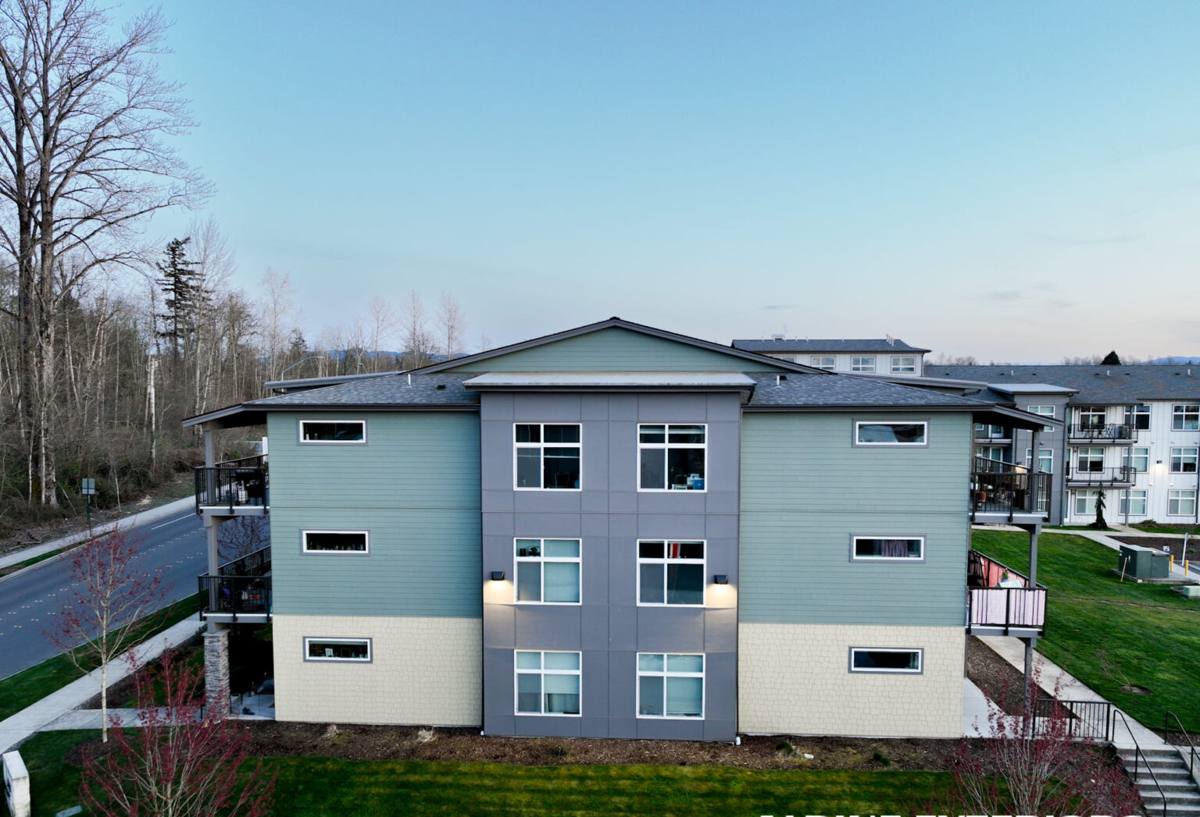
What a Correct Siding Installation Actually Involves
Siding is a system, not a product. The board or panel you see is only one part of it — what happens underneath and behind the siding determines whether a home stays dry for the next 30 years or starts showing rot and staining in five. A correct installation in a wet climate like ours includes:
- A code-compliant water-resistive barrier installed with proper overlaps, sealed penetrations, and no shortcuts around windows or doors
- A drainage plane — typically a rainscreen gap — that lets any moisture that does get behind the siding drain and dry out instead of sitting against the sheathing
- Correctly flashed windows, doors, and roof-to-wall transitions, since these are where the overwhelming majority of siding-related water intrusion actually starts
- Proper fastening patterns and clearances so the siding can expand, contract, and shed water the way it was engineered to
- Adequate ground clearance and flashing at the base of the wall, so splashback and standing water don't wick into the bottom courses
Skip any one of these and you can end up with a wall that looks fine from the curb for a couple of years while moisture quietly works behind the surface. In a climate with as much sustained wet weather as Lake Stevens gets, that gap between "looks fine" and "is actually fine" closes faster than most homeowners expect.
Why This Matters More in a Wet Climate
In a drier region, a minor flashing mistake might dry out between rain events before it causes damage. In Snohomish County, where it can rain for days at a stretch and humidity stays elevated even when it's not actively raining, that same mistake has far less opportunity to dry out. Installation details that would be forgiving elsewhere are not forgiving here — which is exactly why we treat water management as the core of the job, not an afterthought to the visible siding.
Why We Only Install James Hardie Fiber Cement
We install one siding product: James Hardie fiber cement. We don't offer vinyl, LP SmartSide, Cemplank, Allura, primed spruce, or cedar, and that's a deliberate professional standard, not a lack of options.
Fiber cement is non-combustible, which matters to insurers and to homeowners regardless of wildfire exposure. It's dimensionally stable, so it doesn't expand and contract with moisture the way wood-based products can, and it doesn't require the same level of ongoing sealing and maintenance that wood siding demands to keep water out. James Hardie's ColorPlus factory-applied finish is baked on under controlled conditions, which gives it more consistent, longer-lasting color than field-applied paint — a real advantage in a climate where a fresh paint job barely has a chance to fully cure between rain systems.
James Hardie also engineers specific product lines (its HZ5 line, for example) for climates with sustained moisture exposure, which the Pacific Northwest qualifies as. That's not marketing — it's a material science response to the same conditions we're describing above: prolonged dampness, shaded walls, and long moss seasons. Combined with a strong transferable warranty, it's the product we're comfortable standing behind on Lake Stevens homes for decades, not just for the first few years after installation.
We're not going to tell you vinyl or wood siding "fails" — plenty of homes wear them without incident. But vinyl can warp and fade in ways that are difficult to color-match years later, and wood-based products carry a maintenance and moisture-management burden that most homeowners underestimate until they're dealing with it. We made the call to specialize in one system we trust completely rather than install several products with different trade-offs. That's the whole reason this company exists in its current form.
Signs Your Lake Stevens Home Needs New Siding
Siding problems in this climate tend to show up gradually, and they're often mistaken for cosmetic issues before they become structural ones. Watch for:
- Persistent moss, algae, or dark streaking that returns shortly after cleaning
- Soft or spongy spots when you press on the siding, especially near the bottom of walls or below windows
- Paint that's peeling, bubbling, or failing faster than it should, particularly on shaded or lake-facing sides
- Visible warping, cupping, or gaps opening up between boards or panels
- Musty odors or interior wall staining, which often points to moisture already inside the wall assembly
- Siding that's simply reached the end of its expected service life and is due for replacement before problems start
If you're seeing more than one of these, especially anything soft to the touch, it's worth having someone look at the wall assembly itself, not just the visible surface.
Our Installation Process
Assessment and Estimate
We start by walking the exterior with you, looking at existing siding condition, trim, window and door flashing, and any moisture history you're aware of. If there's existing damage, we'll tell you honestly what we find, including anything that needs to be addressed before new siding goes on.
Tear-Off and Sheathing Check
Old siding comes off and we inspect the sheathing underneath. Any rot, soft spots, or compromised areas get repaired before anything new is installed — covering a damaged wall with new siding just hides the problem.
Weather Barrier and Drainage Plane
We install the water-resistive barrier and drainage components correctly the first time, with attention to every seam, penetration, and transition point. This is the step that determines how the wall performs over the next several decades, and it's the step that's easiest to shortcut and hardest to verify once the siding is up.
James Hardie Installation
Siding goes on to manufacturer specifications for fastening, clearances, and joint treatment, with trim, corners, and flashing detailed to shed water rather than trap it.
Final Walkthrough
We walk the finished job with you, point out what was done and why, and make sure you're clear on the warranty coverage you now have.
Cost Factors for Lake Stevens Siding Projects
Every home is different, but the factors that most commonly move a siding project's cost up or down are consistent. We'll always give you specifics for your home rather than a generic number, but this gives you a sense of what drives the estimate:
| Factor | Why It Matters |
|---|---|
| Extent of existing damage or rot | Sheathing repair adds labor and material before new siding can go on |
| Home size and wall complexity | More corners, dormers, and transitions mean more cutting, flashing, and labor time |
| Siding profile and trim selection | Lap width, trim style, and accent choices affect material cost and install time |
| Access and site conditions | Sloped lots, tree cover, or tight lake-adjacent lots can affect equipment and staging |
| Removal and disposal of old siding | Type and condition of existing material affects tear-off labor and disposal cost |
Why Hiring a Crew That Already Works Lake Stevens Matters
Siding installation isn't just a product decision — it's a labor and detail decision, and both of those go better when the crew already understands the conditions they're building for. A contractor who regularly works Snohomish County knows to plan around the wet season rather than fight it, understands how shaded, tree-covered lots around Lake Stevens hold moisture longer than open lots, and has already seen what happens when flashing details get rushed on homes with this exposure. That local experience shows up in the small decisions — where extra flashing gets added, how a drainage gap is detailed around a tricky window — that a homeowner never sees but absolutely benefits from.
It also matters for accountability. A crew that works this area regularly has a reputation to protect with your neighbors, not just with you.
Protecting Your Investment After Installation
James Hardie siding is low-maintenance compared to wood or vinyl, but "low-maintenance" isn't "no-maintenance," especially in a climate that grows moss on almost anything that sits still long enough. A simple annual routine keeps a correctly installed system performing the way it's designed to:
- Rinse siding annually with a garden hose and soft brush, especially on shaded or north-facing walls where moss takes hold first
- Trim back shrubs and trees so siding gets airflow and sunlight, which shortens how long it stays damp after rain
- Check caulking around windows, doors, and trim yearly and have any gaps resealed promptly
- Keep gutters clear so overflow isn't running down the wall face
- Address any soft spots, staining, or unusual moss growth quickly rather than waiting for it to spread
If you're weighing new siding for a Lake Stevens home, we're happy to walk the exterior with you, look at what's really going on, and put together a straightforward, no-pressure estimate for a James Hardie installation built for the conditions this house actually faces. Use the form below to get started.