 Everett
 Asphalt Shingle Roofing, Built for How Lynnwood Actually Weathers
Lynnwood sits in that stretch of Snohomish County where marine air off the Sound, heavy tree cover, and months of steady rain all work on a roof at the same time. Asphalt shingles are still the right choice for most homes here — they're proven, repairable, and cost-effective — but only if the roof underneath them is built for this climate, not just built to code minimums. A shingle roof that would last decades in a dry inland climate can start showing problems in half that time here if the details were rushed.
This page is specifically about asphalt shingle roofing for homes in the Lynnwood area. We're not going to talk about metal or tile roofing here, or try to cover every roofing topic under the sun. We want to walk through what actually matters for a shingle roof on a Lynnwood house: the moisture, the moss, the wind-driven rain, and the installation choices that determine whether your roof fights those conditions or loses to them.
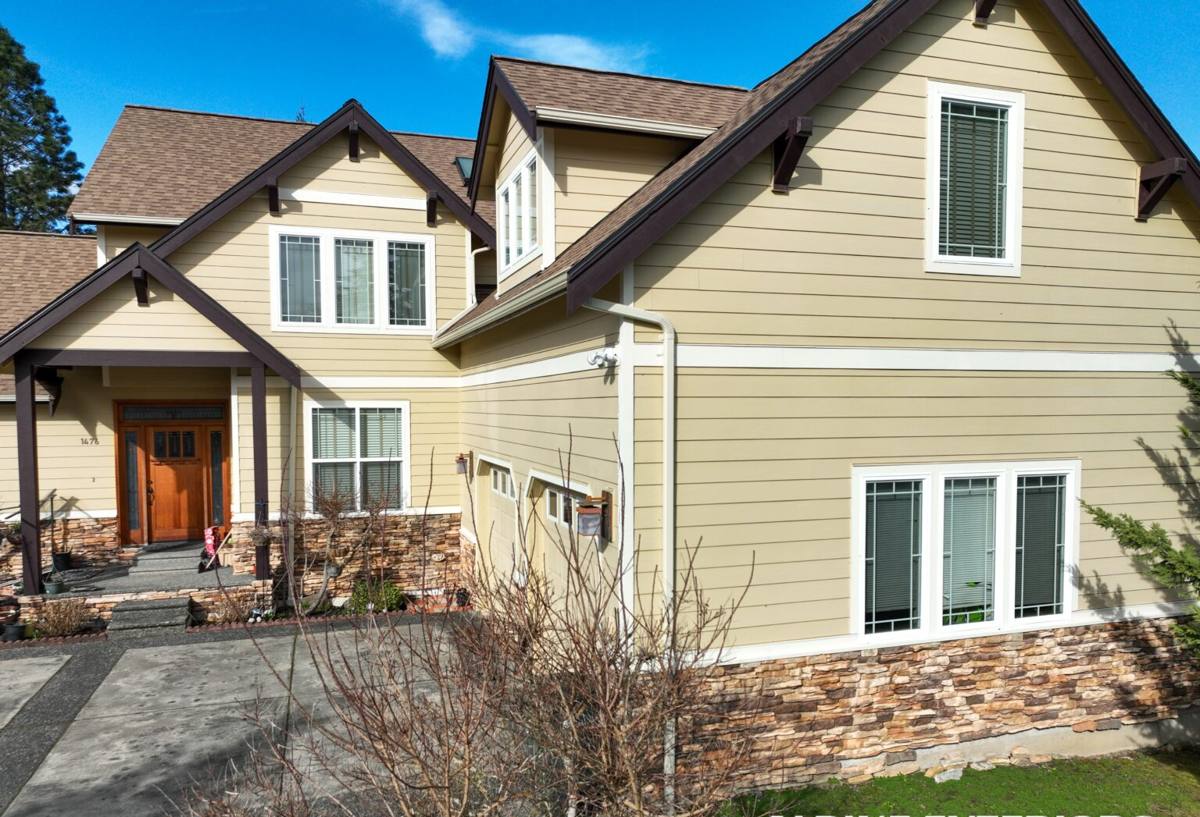
What This Climate Actually Does to a Shingle Roof
Snohomish County doesn't get the extreme heat or hail that stresses shingles in other parts of the country. Instead, it wears a roof down slowly, through a few specific mechanisms:
- Driving rain pushed sideways by wind finds every weak lap, nail pattern, and flashing gap — problems that would never show up in a straight-down rainstorm.
- A long moss and algae season that runs most of the year in shaded, north-facing, or tree-covered sections of roof, where shingles rarely get a chance to fully dry out.
- Salt-tinged marine air common to this part of the Puget Sound region, which accelerates corrosion on exposed metal fasteners, flashing, and vents if they aren't rated for it.
- Sustained damp cold that keeps attic humidity elevated for weeks at a stretch, which is hard on the roof deck if ventilation isn't sized correctly.
None of these are dramatic events. They're slow, cumulative, and easy to ignore until a roof is fifteen years old and suddenly needs full replacement instead of a repair.
What a Correct Asphalt Shingle Job Includes Here
Ventilation Sized for Moisture, Not Just Code
Attic ventilation is the most commonly shortchanged part of a shingle roof, and it's the one that causes the most expensive long-term damage. In a climate this damp, intake and exhaust venting need to actually balance — not just meet a minimum square-footage number on paper. Undersized or mismatched venting traps moisture against the underside of the deck, which shows up years later as soft sheathing, mold, or premature shingle failure from below.
Underlayment That Handles Sustained Wet Weather
A synthetic or high-quality felt underlayment, installed with correct laps and sealed around every penetration, is what keeps a roof watertight during the weeks each winter when it never really stops raining. This is not a place to save money — underlayment is the backup layer that protects the deck if wind ever lifts or drives water under a shingle.
Flashing Details Around Every Transition
Valleys, chimneys, skylights, and roof-to-wall transitions are where the overwhelming majority of shingle roof leaks actually originate — almost never in the open field of shingles themselves. Step flashing, valley metal, and counterflashing need to be formed and layered correctly, not caulked as a shortcut. Caulk fails; properly lapped metal doesn't.
Fastening for Wind-Driven Rain
Wind here tends to come with rain rather than dry gusts, so shingles need to be nailed correctly — proper count, placement, and pattern — so wind can't work water up and under the tab. Manufacturer nailing specs exist for a reason, and skipping a couple of nails per shingle to save time is one of the most common shortcuts in the trade.
Choosing a Shingle Product for a Lynnwood Roof
Not every asphalt shingle is built the same way, and the differences matter more here than in a milder or drier climate. The table below breaks down the general tiers we discuss with homeowners.
| Shingle Tier | Typical Lifespan Here | Moss/Algae Resistance | Best Fit |
|---|---|---|---|
| Standard 3-tab | 15–20 years | Basic; needs proactive maintenance | Budget-focused re-roofs, rentals |
| Architectural (laminate) | 25–30 years | Moderate; often available with algae-resistant granules | Most Lynnwood homes — best value for climate exposure |
| Premium/impact-resistant laminate | 30+ years | Strong, especially with copper- or zinc-infused granules | Heavily shaded lots, steep roofs, longer hold periods |
For most Lynnwood properties, especially those with mature tree cover, we lean toward architectural shingles with algae-resistant granules. The upgrade cost is modest relative to the labor of a full re-roof, and it directly targets the moss and staining problem that's most common in this area.
Moss, Algae, and Realistic Maintenance
No shingle roof in this part of Washington is moss-proof — anyone who tells you otherwise isn't being straight with you. What a correct installation does is reduce how aggressively moss takes hold and make maintenance manageable instead of constant. That means:
- Proper granule coverage and algae-resistant shingles on shaded slopes
- Clean, unobstructed valleys and gutters so water and debris don't sit against the shingle surface
- Zinc or copper strips near the ridge on roofs with heavy moss history, where appropriate
- A realistic once-or-twice-a-year soft-wash and debris-clearing routine, rather than pressure washing, which damages granule surfaces
If a roof is already several years old and showing moss streaking, that's usually a maintenance and cleaning conversation, not necessarily a replacement one — we'll tell you honestly which situation you're in.
Repair, Recover, or Full Replacement?
Homeowners in Lynnwood often ask which category their roof falls into, and the honest answer depends on the deck and flashing condition underneath, not just the shingle surface. General signs worth knowing:
- Repair territory: isolated leak at one flashing point, a handful of wind-damaged shingles, or a single failed vent boot
- Recover is rarely the right call here: installing new shingles over old ones traps moisture and skips deck inspection entirely — something we don't recommend in this climate regardless of the short-term savings
- Full replacement territory: widespread granule loss, multiple leak points, soft spots in the deck, or a roof already past its expected lifespan for its shingle tier
We'll always inspect before recommending, and we'll tell you plainly if a repair is the more sensible option — a full replacement isn't the right answer just because it's the bigger job.
How We Approach a Lynnwood Shingle Roof
- On-site inspection of the existing roof, deck, ventilation, and flashing points, with photos and a plain-language explanation of what we find.
- A written scope covering shingle tier, underlayment, flashing approach, and ventilation plan — no vague "and materials" line items.
- Tear-off and deck check so any soft or damaged sheathing is caught and addressed before new material goes down, not discovered later as a leak.
- Correct installation sequence — underlayment, flashing, ice-and-water protection at vulnerable areas, then shingles fastened to manufacturer spec.
- Final walkthrough so you understand what was done and what maintenance, if any, we'd recommend going forward.
Why It Matters That We Already Work in Lynnwood
A roofing crew that works this part of Snohomish County regularly already knows which neighborhoods deal with heavier moss, which lots hold moisture longest under tree cover, and which flashing details tend to get shortcut on faster, lower-bid jobs. That familiarity shows up in small decisions — how much ventilation to actually spec, where to reinforce a valley, which shingle line handles the local algae exposure best — that a crew unfamiliar with the area might not think to make.
It also matters for accountability. A local contractor is easy to find again if a question comes up two, five, or ten years down the road, and has a reputation in the community worth protecting.
Before You Sign a Roofing Contract
Whoever you hire, make sure the proposal actually addresses these points rather than just listing a shingle brand and a price:
- Is the ventilation plan specified, or just assumed to match the old roof?
- Is underlayment type and coverage called out by name, not just "as needed"?
- Are valleys, chimneys, and wall transitions described as flashed with metal, not sealed with caulk?
- Does the quote separate labor and materials clearly enough that you know what you're paying for?
- Is deck repair, if needed, priced up front or handled as a fair per-sheet rate rather than a vague allowance?
- Does the contractor carry proper licensing and insurance, and will they put it in writing?
If you're weighing a repair, a full re-roof, or just want an honest read on where your Lynnwood roof stands, we're happy to take a look. The estimate is free, there's no pressure attached, and you'll get a straight answer either way — just fill out the form below to get started.