 Everett
 Windows Built for Marysville's Climate, Not Just Any Climate
Marysville sits close enough to Puget Sound that its homes deal with a specific combination of weather stress: salt-tinged air, wind-driven rain that comes in sideways during fall and winter storms, and long stretches of gray, damp months where surfaces rarely get a chance to fully dry out. That combination is hard on windows in ways that inland, drier climates never have to plan for. A window that performs fine in a dry climate can fail here within a few years if it wasn't selected, flashed, and sealed with this specific environment in mind.
Custom windows for a Marysville home aren't just about matching an odd-sized opening. They're about choosing frame materials, glass packages, and installation details that hold up to repeated wetting and drying, resist the slow creep of moisture behind trim and siding, and don't need constant upkeep to stay looking and performing well. That's the lens we bring to every window job in this part of Snohomish County.
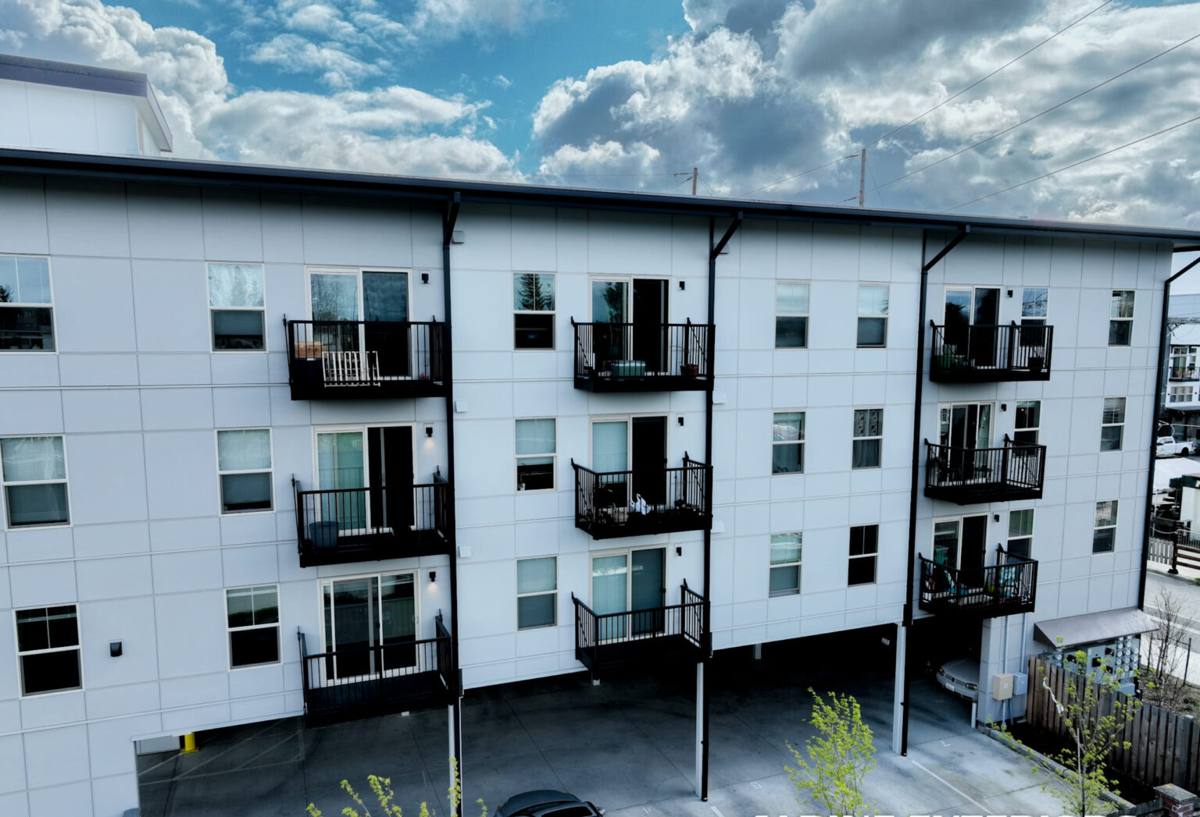
What "Custom" Actually Means Here
"Custom" gets used loosely in this industry, so it's worth being specific. For us, it covers a few distinct situations:
- Non-standard openings — older Marysville homes, additions, and remodels often have window openings that don't match modern stock sizes, requiring windows built to exact measurements rather than trimmed down from a standard size.
- Architectural shapes — arched tops, picture windows paired with operable units, bays, and other configurations that go beyond a basic rectangle.
- Material and performance upgrades — swapping single-pane or aging aluminum-frame windows for modern insulated units without changing the exterior look of the home.
- New construction and additions — where window sizing, placement, and flashing details are built into the wall assembly from the start rather than retrofitted.
In all of these cases, the goal is the same: a window that fits its opening precisely, seals correctly on day one, and keeps sealing correctly ten and twenty years later.
The Coastal Factors That Actually Matter
Salt Air and Hardware Corrosion
Homes in Marysville, especially those closer to the water, deal with airborne salt that accelerates corrosion on unprotected metal — hinges, cranks, locks, and screws. Cheaper hardware finishes can start pitting or seizing well before the glass or frame shows any wear. We pay attention to hardware quality and finish for exactly this reason, not because it looks nicer on a spec sheet.
Driving Rain and Water Infiltration
Snohomish County's rain doesn't always fall straight down. Storms off the Sound push rain horizontally against west- and south-facing walls, which puts real pressure on window flashing and sealant details. A window can have excellent glass and still leak if the flashing behind the trim wasn't lapped correctly to shed water outward and downward, away from the wall sheathing.
The Long Moss and Mildew Season
Marysville's wet season stretches long, and shaded or north-facing walls can stay damp for weeks at a time. That environment is exactly what moss, algae, and mildew need to take hold on window sills, tracks, and trim. Frame materials and finishes that don't hold moisture, plus sills detailed to drain rather than pool water, make a real difference in how much upkeep a homeowner ends up doing.
Condensation and Indoor Humidity
Marine climates also mean more months where indoor and outdoor temperatures sit close together with high humidity, which affects how much condensation forms on glass and frames. Proper glass packages and balanced ventilation reduce fogging and the moisture damage that comes with it over time.
Signs Your Current Windows Are Losing the Fight
Most window failures in this climate show up gradually. Homeowners often live with small issues for years before they add up to a real problem. Watch for:
- Fogging or a hazy film between panes of double-glazed glass (a sign the seal has failed)
- Soft or discolored wood trim around the window frame
- Drafts you can feel near the frame even when the window is fully closed and locked
- Windows that are hard to open, close, or lock — often a sign of frame swelling or warping
- Visible moss, algae, or persistent black mildew staining on sills or tracks
- Paint that keeps failing in the same spot near a window despite repainting
- A noticeable jump in heating costs without any other explanation
Any one of these on its own might not mean much. Two or three together, especially on the same wall, usually points to a window or its surrounding flashing that needs attention.
What a Correct Installation Actually Involves
The window unit itself is only part of the job. Most leaks and premature failures we get called out to repair trace back to installation shortcuts, not a bad product. A correct install includes:
- Removing the old window and inspecting the framing and sheathing underneath for hidden rot or moisture damage before anything new goes in.
- Installing a proper weather-resistive barrier and flashing sequence — sill pan, side flashing, and head flashing lapped in the right order so water is always directed outward, never trapped behind the siding.
- Setting the window level, plumb, and square in the opening, with shims placed to support the frame without distorting it.
- Insulating the gap between the window and rough opening correctly — enough to stop air movement without over-packing, which can bow the frame.
- Sealing the exterior with a compatible sealant rated for this climate, and finishing interior and exterior trim to shed water away from the frame.
Skip or rush any one of these steps and the window can look fine for a year or two while moisture works its way into the wall behind it — which is a far more expensive problem than the window itself.
Choosing a Frame Material for This Climate
There's no single "best" window material for every home — the right choice depends on budget, the home's age and style, and how much upkeep a homeowner wants to take on. Here's how the common options compare for a Marysville property:
| Material | Moisture/Salt Air Resistance | Maintenance | Typical Lifespan |
|---|---|---|---|
| Vinyl | Good — won't rot or corrode, but frames can be affected by long-term UV and temperature swings | Low — occasional cleaning of tracks and weep holes | 20–30 years |
| Fiberglass | Very good — dimensionally stable, resists warping in wet-dry cycles | Low | 30–40+ years |
| Aluminum | Fair — durable but prone to condensation and corrosion near salt air unless thermally broken | Moderate | 20–30 years |
| Wood / wood-clad | Requires careful detailing — attractive but vulnerable if finishes aren't maintained | High — regular painting/sealing, especially on exposed elevations | Varies widely with upkeep |
We don't push one material for every job. For homeowners who want the classic wood look but not the maintenance burden this climate demands, a wood-clad or composite option is often a better fit than solid wood on rain-exposed walls — it's a tradeoff worth discussing honestly rather than assuming.
What It Typically Costs
Costs vary a lot based on size, glass package, frame material, and whether it's a straightforward replacement or a more involved opening change. As a rough guide, standard vinyl replacement windows for an average-sized opening often run in the range of several hundred to around fifteen hundred dollars installed, with fiberglass and larger or custom-shaped units running higher. New construction or full opening modifications add framing and siding repair costs on top of the window itself. We give exact numbers only after seeing the actual openings — broad estimates from photos or square footage alone tend to be unreliable in either direction.
Our Process, Start to Finish
- Free on-site estimate — we measure the actual openings, check the condition of surrounding trim and sheathing, and talk through material and budget options.
- Written proposal — clear scope, materials, and pricing, no vague allowances.
- Ordering and scheduling — custom units are built to the exact measurements we take, which avoids the fitting problems that come with adjusting stock sizes.
- Installation — including inspection of the opening once the old window is out, proper flashing and sealing, and cleanup as we go.
- Final walkthrough — we check operation, seals, and trim with you before calling the job done.
Why It Matters to Hire a Crew That Already Works Marysville
A crew that installs windows across Snohomish County regularly already knows which details matter most here — how to flash for wind-driven rain off the Sound, which frame materials hold up to the salt air and long wet season, and how local homes were typically built so the new window integrates cleanly with existing siding and trim. That local familiarity shows up in fewer callbacks and windows that still seal properly five and ten years down the road, not just on installation day.
If your Marysville home has windows showing their age, or you're planning a remodel that needs openings built to spec, we're happy to take a look and give you an honest read on what's needed. Reach out for a free, no-pressure estimate using the form below.