 Everett
 Riverside's Roofing Conditions Are Different From the Rest of Everett
Riverside sits close enough to the Snohomish River and the broader Puget Sound air pattern that roofs here take a different kind of beating than roofs a few miles inland. It's not one big storm that does the damage — it's the steady combination of salt-tinged marine air, wind-driven rain that finds its way sideways under poorly lapped flashing, and a moss season that runs long into the year because the shade and moisture never fully let up. A roof that's correctly built for this stretch of Snohomish County needs to handle all three at once, not just shed water on a dry, calm day.
We say this because a lot of metal roofing problems we get called out to fix in this area aren't material failures — they're installation shortcuts that only show up once the roof has spent a full winter absorbing what Riverside actually throws at it.
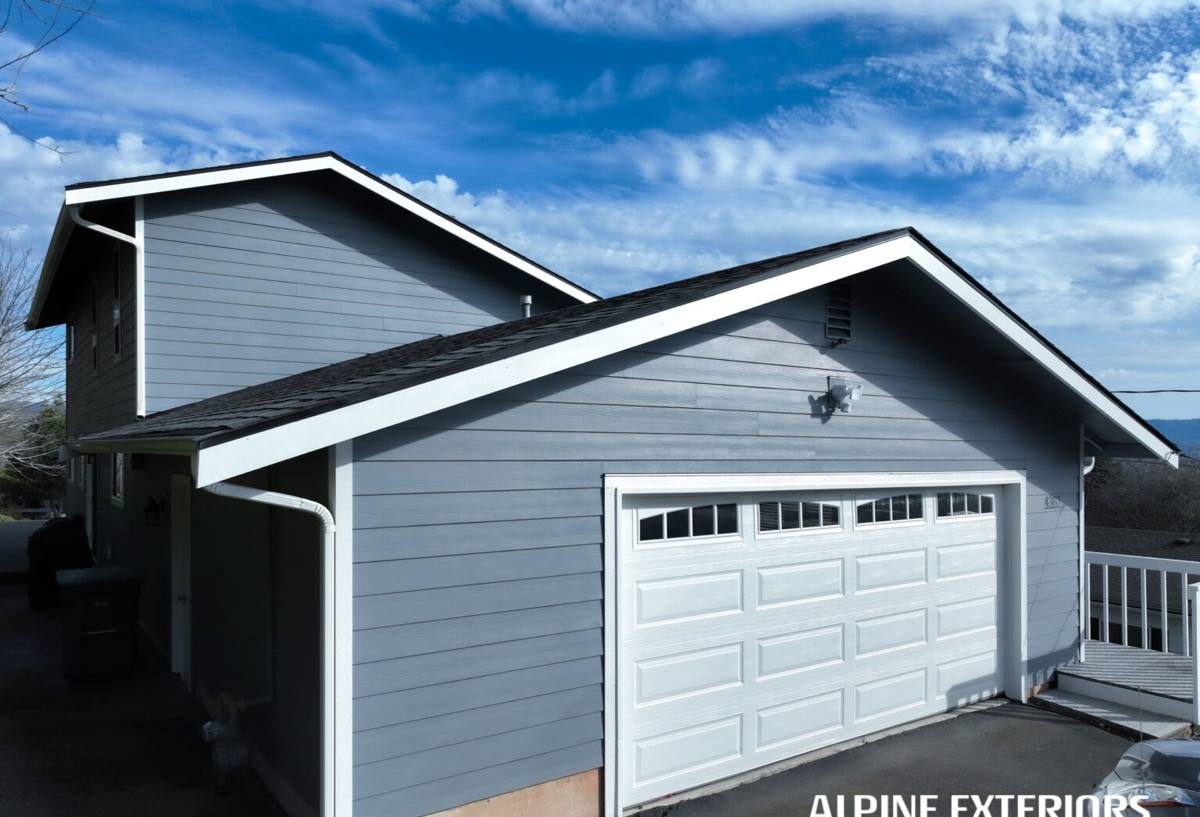
What Salt Air, Driving Rain, and Moss Actually Do to a Metal Roof
Salt Air and Fastener Corrosion
Proximity to open water means airborne moisture carries trace salt, and that salt accelerates corrosion at any point where metal is exposed or fasteners are inconsistent. This shows up first at exposed screw heads, cut edges, and any spot where two dissimilar metals touch. A panel system rated for coastal or near-coastal exposure, installed with matched, corrosion-resistant fasteners, holds up. Mixed hardware or bargain fasteners are usually the first thing to fail, well before the panels themselves.
Driving Rain and Lap Direction
Wind off the water doesn't always come from the same direction twice, which means laps, seams, and flashing details have to be built assuming rain can be pushed sideways or even slightly upward at roof edges and valleys. A roof that only performs in straight-down rain will leak the first time we get a real system with gusts behind it.
Moss and Prolonged Moisture Contact
Everett's tree cover and overcast stretches keep north-facing and shaded roof sections damp for extended periods. Moss doesn't grow on bare, properly finished metal panel faces the way it does on shingles or bare wood, but it absolutely takes hold in valleys, at panel overlaps, and anywhere debris collects and holds moisture against a seam. Left alone, that trapped moisture works against sealants and fastener coatings over time.
What a Correct Metal Roofing Job Involves in Riverside
A metal roof is only as good as the details underneath and around the panels. The panels themselves are usually the easy part.
- Underlayment rated for high-moisture climates, run continuously with no gaps at penetrations
- Ice-and-water shield or equivalent membrane at eaves, valleys, and any low-slope transitions
- Panel fasteners matched to the panel metal to avoid galvanic corrosion
- Closed or foam-filled ridge details so wind-driven rain and blown debris can't work their way in at the peak
- Properly lapped and sealed valley flashing, since valleys are where water volume and wind exposure both peak at once
- Kickout flashing at roof-to-wall transitions so runoff is directed into the gutter, not behind the siding
- Adequate attic or roof-deck ventilation so condensation doesn't form on the underside of the panels
Skip any one of these and the roof can still look right for a year or two before the shortcut shows up as a leak, a rust streak, or a soft spot in the decking.
Panel Options and How They Fit Riverside Homes
Most homes in this part of Everett fall into a similar range of roof pitches and styles, which narrows down the metal options that actually make sense. Here's how the common choices compare for this climate specifically:
| Panel Type | Best Fit For | Climate Trade-Offs |
|---|---|---|
| Standing seam (concealed fastener) | Most Riverside homes, any visible or steep-slope roof | No exposed fastener heads to corrode; higher upfront cost but the lowest long-term maintenance in salt air |
| Exposed-fastener panel (screw-down) | Outbuildings, shops, lower-visibility roof sections | Lower cost, but fastener washers age faster in this air and need periodic checking |
| Stone-coated steel | Homes wanting a shingle-like look with metal's durability | Good moss resistance on the coated surface; coating integrity at cut edges matters more here than inland |
For most Riverside houses we recommend standing seam specifically because the concealed fastener design removes the single biggest weak point in a salt-air environment — exposed screws. It costs more going in, but it's the option that needs the least attention over the years, which matters on a roof you don't want to be back up on every season.
Our Process on a Riverside Metal Roof
1. On-Site Assessment
We walk the existing roof, check the decking condition, look at how the roof handles water at valleys and transitions today, and identify any trouble spots — including how shaded sections are currently holding moisture.
2. Tear-Off and Deck Inspection
Old roofing comes off down to the deck so we can actually see the wood underneath. Soft or water-stained decking gets replaced before anything new goes down — covering over a compromised deck just hides the problem.
3. Underlayment and Membrane
We install moisture-rated underlayment across the whole roof, with membrane reinforcement at eaves, valleys, and any low-pitch areas where standing water is more likely.
4. Panel Installation
Panels go down with fasteners matched to the panel metal, correct overlap direction accounting for prevailing wind and rain patterns, and attention to consistent seam alignment.
5. Flashing and Trim Detail
Valleys, ridges, roof-to-wall transitions, and any penetrations (vents, chimneys, skylights) get flashed and sealed as a deliberate step, not an afterthought once panels are up.
6. Final Walkthrough
We go over the finished roof with the homeowner, point out what maintenance looks like, and make sure everything drains the way it's supposed to.
Ventilation and Moisture: The Part That's Easy to Miss
Metal roofs perform differently from asphalt when it comes to temperature swings, and in a damp climate like this one, that means ventilation isn't optional. Without enough airflow behind the panels, warm interior air can hit the cooler underside of the metal and condense — moisture that has nothing to do with the weather outside but can cause the same rot and staining problems as a leak. Proper ridge and soffit ventilation, sized for the roof, keeps that from happening and also helps the attic space stay dry through Snohomish County's long stretches of overcast, humid weather.
Ongoing Maintenance for a Riverside Metal Roof
A well-installed metal roof needs far less upkeep than most other roofing types, but "far less" isn't "none," especially with moss season running as long as it does here. A simple annual routine covers most of it:
- Clear debris from valleys and around any roof penetrations before fall rains set in
- Check gutters and downspouts for clogs that can back water up under eave flashing
- Look for moss or algae buildup at shaded valleys and low-slope sections, and remove it gently — no pressure washing directly on seams
- Scan for any loose or lifted trim, especially after a windy winter storm
- Confirm attic ventilation isn't blocked by insulation or debris
None of this requires special equipment, and most of it takes less than an hour a year once it's part of the routine.
Cost Factors for Riverside Metal Roofing Projects
Every roof is different, but the same handful of factors move the price up or down on most Riverside jobs:
| Factor | Why It Matters |
|---|---|
| Roof pitch and complexity | More valleys, dormers, and transitions mean more flashing labor and material |
| Panel type | Standing seam costs more upfront than exposed-fastener panel but needs less long-term attention |
| Deck condition | Rotten or soft decking found at tear-off adds repair cost before panels can go on |
| Tear-off vs. overlay | Removing old roofing lets us properly inspect and treat the deck; overlays are rarely the right call in this climate |
| Ventilation upgrades | Adding or correcting ridge/soffit venting on an older home can be a modest add-on with a real payoff |
We'll walk through where your specific roof lands on each of these during the estimate, so there's no guessing after the fact.
Why a Crew That Already Works Riverside Makes a Difference
Roofing details that work fine in a dry inland climate don't automatically hold up here. A crew that regularly works this part of Everett has already seen how water moves across roofs in this neighborhood, which valley and transition designs actually shed wind-driven rain, and how much ventilation a typical Riverside attic actually needs given the humidity levels we deal with most of the year. That's not something you get from a spec sheet — it's from having repaired the roofs that were built without accounting for this climate and understanding exactly which shortcuts cause the callbacks.
It also means we're not guessing about material choices. We know which fastener finishes hold up under sustained salt air exposure and which panel systems handle this region's freeze-thaw and moss cycles without the coating breaking down early.
Get a Straight Answer on Your Roof
If you're weighing metal roofing for a Riverside home, we're glad to come take a look and give you a straightforward read on what your roof actually needs — no pressure, no inflated scope. Fill out the form below for a free estimate.