 Everett
 Storm Damage Roof Repair for Port Gardner Homes
Port Gardner sits close to the water, which means its homes take a different kind of weather beating than houses a few miles inland. Wind off the bay, driving rain that comes in sideways during winter fronts, and salt-laden air all work on a roof year-round, not just during the one big storm that finally makes a homeowner call someone. We repair storm-damaged roofs in this part of Everett regularly, and the pattern is consistent: the damage that gets reported is rarely the only damage that happened.
This page covers what storm damage actually looks like on a Port Gardner roof, what a correct repair involves, and how we approach the job from first call to final walk-through.
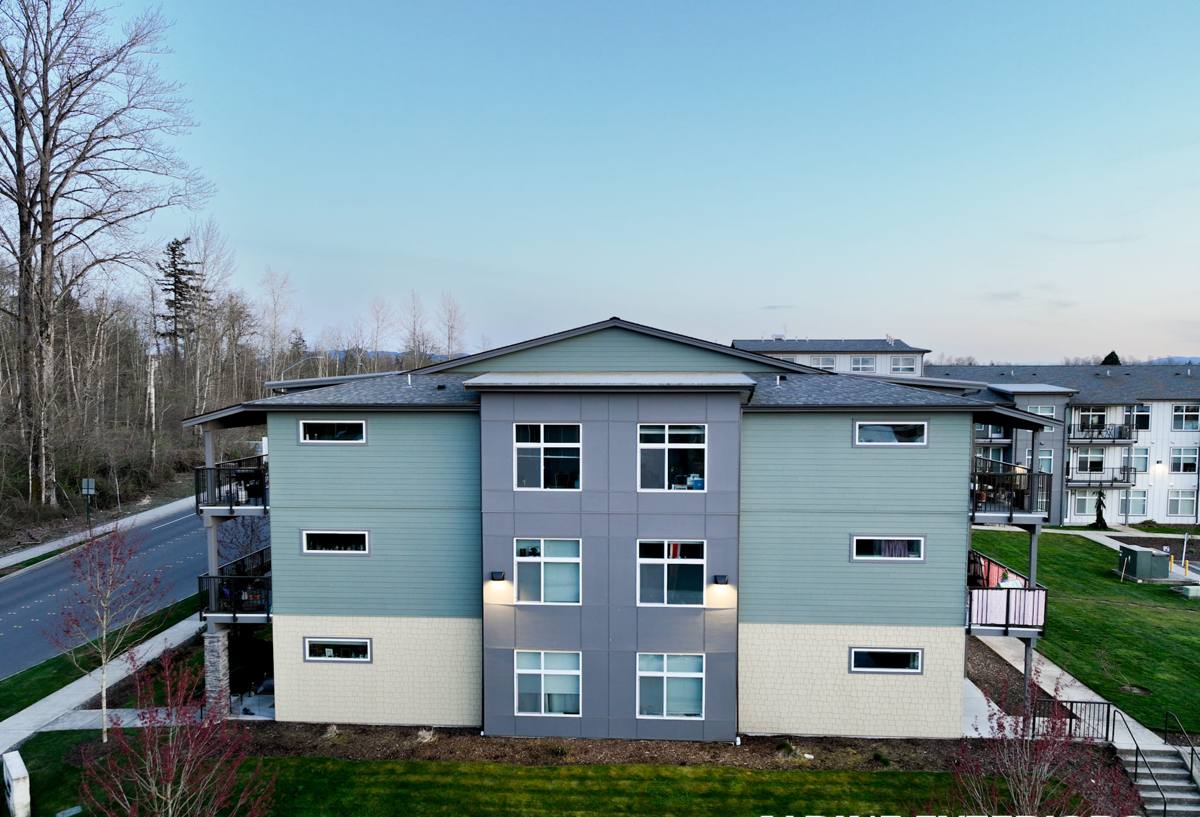
What Counts as Storm Damage
Storm damage isn't always a dramatic hole in the roof. Most of what we find is more subtle, and homeowners often don't notice it until a leak shows up inside weeks or months later.
Common signs after a wind or rain event
- Lifted, cracked, or missing shingles, especially near ridges, edges, and valleys
- Granule loss that shows up as gritty runoff near downspouts
- Bent, loosened, or blown-off flashing around chimneys, vents, and skylights
- Fresh moss or dark streaking in areas where shingles have been disturbed and moisture is now getting underneath
- Branch or debris strikes that puncture or bruise the roofing material
- Water stains on interior ceilings or in the attic, which usually mean damage happened well before the leak became visible
Any one of these on its own might not be urgent. Several together, especially after a windstorm off the bay, usually mean the roof's weather barrier has been compromised somewhere, even if the leak hasn't shown up yet.
Why This Location Complicates the Repair
Everett's Port Gardner-area homes deal with three overlapping conditions that make storm repair here different from a straightforward inland job.
Salt air
Proximity to the water means metal components — flashing, fasteners, vent caps — corrode faster than they would a few miles east. A repair that reuses corroded fasteners or unsealed metal will fail again sooner than it should. We factor that into what we replace versus what we reuse.
Driving rain
Storms here don't just drop rain straight down; wind pushes it sideways and up under laps, edges, and flashing that would stay dry in a calmer downpour. A repair that only patches the visible damage without checking how water moves across that section of roof in a wind-driven rain often leaks again in the next storm.
A long moss season
Snohomish County's damp, mild climate gives moss and moisture months to work on a roof surface every year, not just a few weeks. Storm damage that exposes underlayment or breaks the shingle seal gives moss an even faster foothold, and moss growth traps moisture against the roof deck long after the storm itself has passed. Any storm repair on a Port Gardner roof needs to account for that ongoing moisture pressure, not just the immediate damage.
What a Correct Repair Actually Involves
A storm repair that's done right is more than swapping out the shingles that are obviously missing. Here's what we check and address on every job.
Full-slope inspection, not just the damaged spot
Wind damage rarely stays contained to one tidy area. We walk the full roof plane the damage occurred on, and check adjacent slopes, because a gust strong enough to lift shingles in one spot usually stressed the fasteners nearby too, even where nothing came loose yet.
Matching materials correctly
Shingle color, profile, and weight vary between manufacturers and even between production runs. We match as closely as the existing roof allows so the repair doesn't stand out and so the new material performs the same as what's around it — a mismatched patch can actually shed water differently than the surrounding shingles, which creates a new failure point.
Flashing and underlayment get real attention
Most of the leaks we get called back for on other contractors' repairs trace back to flashing that was reused when it should have been replaced, or underlayment that wasn't extended far enough past the damaged area. We replace flashing wherever it's been disturbed or corroded and extend underlayment well beyond the visible damage boundary.
Fastener and seal check
Salt air accelerates fastener corrosion, so any exposed nails or screws in the repair area get evaluated and replaced with corrosion-resistant fasteners where needed, properly sealed against wind-driven rain.
Our Process
The sequence below is how we typically move from first contact to a finished repair.
1. Initial assessment
We look at the roof, both from the ground and, where safe, up close, and document the extent of the damage. If the damage is limited to a section, we'll say so — we don't push a full re-roof when a targeted repair is the honest answer.
2. Written scope and estimate
You get a clear description of what will be repaired, what materials will be used, and a price before any work starts. No surprise add-ons once we're on the roof.
3. Repair
We do the work in one visit whenever weather and material availability allow, since a roof that's opened up and left exposed overnight is an unnecessary risk during Everett's rainy stretches.
4. Cleanup and walk-through
Debris and old material are cleared from the property, and we walk you through what was done and what to watch for going forward.
Repair or Replace: How We Help You Decide
Not every storm-damaged roof needs full replacement, and not every roof is a good candidate for another patch. The table below covers the main factors we weigh.
| Factor | Favors Repair | Favors Replacement |
|---|---|---|
| Age of roof | Roof is within its expected service life | Roof is at or past the age where the underlying material is failing broadly |
| Extent of damage | Damage is limited to one section or slope | Damage is spread across multiple slopes or the deck itself is compromised |
| Prior condition | Roof was in sound shape before the storm | Roof already showed widespread wear, moss buildup, or granule loss before the storm hit |
| Material availability | Matching shingles are still available | Original material is discontinued and a patch would be visibly mismatched |
| Underlying deck | Deck is dry and structurally sound | Deck shows rot or soft spots from long-term moisture exposure |
We'll tell you honestly which side of that table your roof falls on. A repair that's set up to fail again in a year isn't a favor to anyone.
Documentation and Insurance Considerations
If you're filing a homeowner's insurance claim for storm damage, documentation matters. We photograph the damage before and during repair and provide a written scope of work that describes what was damaged and what was done to fix it. That paperwork is generally what an adjuster wants to see, and having it organized up front tends to make the claims process move faster. We're not a public adjuster and won't promise a claim outcome, but we can make sure the roofing side of your documentation is solid.
What to Do Right After a Storm
If you suspect storm damage, a few simple steps protect the property until a proper repair can happen.
- Check the attic and ceilings for water stains or damp spots, not just the exterior roof surface
- Take photos from the ground of anything visibly out of place — don't get on the roof yourself after a storm
- Clear debris away from downspouts and gutters so water can drain properly while you wait for repair
- If there's an active leak, place a container to catch water and avoid ceiling fixtures until it's addressed
- Call for an inspection sooner rather than later — exposed underlayment and open seams only get worse with the next rain
Why Hire a Crew That Already Works Port Gardner
A roofer who works this part of Everett regularly already knows how salt air affects fastener choice, how the local rain pattern drives water into places a calmer climate wouldn't, and how fast moss can take hold on exposed underlayment during a wet Snohomish County stretch. That familiarity shows up in fewer callbacks — the repair is built for the conditions it actually has to survive, not a generic checklist. It also means faster response after a storm, since we're not routing a crew in from across the county when Port Gardner homeowners need someone on the roof quickly.
If your roof took a hit in a recent storm, or you're not sure whether what you're seeing is storm damage or ordinary wear, we're happy to take a look. Reach out for a free, no-pressure estimate using the form below.