 Everett
 Why Riverside Roofs Take a Different Kind of Beating
Riverside is one of the older, established residential pockets of Everett, and like most of the neighborhood's housing stock, a lot of its roofs are original or aging into their second or third decade. That matters because Everett sits right where Puget Sound weather does its worst work: salt-laden air off the water, wind-driven rain that comes in sideways instead of straight down, and a moss season that in Snohomish County can run from October well into May. None of that is unique to Riverside, but it's a real, cumulative load on an asphalt shingle roof, and it's worth understanding before you decide whether your roof needs a patch, a partial repair, or a full replacement.
An asphalt shingle roof installed correctly for this climate and one installed to a generic national spec can look identical from the street and age completely differently. The difference shows up in the details most homeowners never see: fastener choice, underlayment coverage, flashing at every transition, and how the attic breathes.
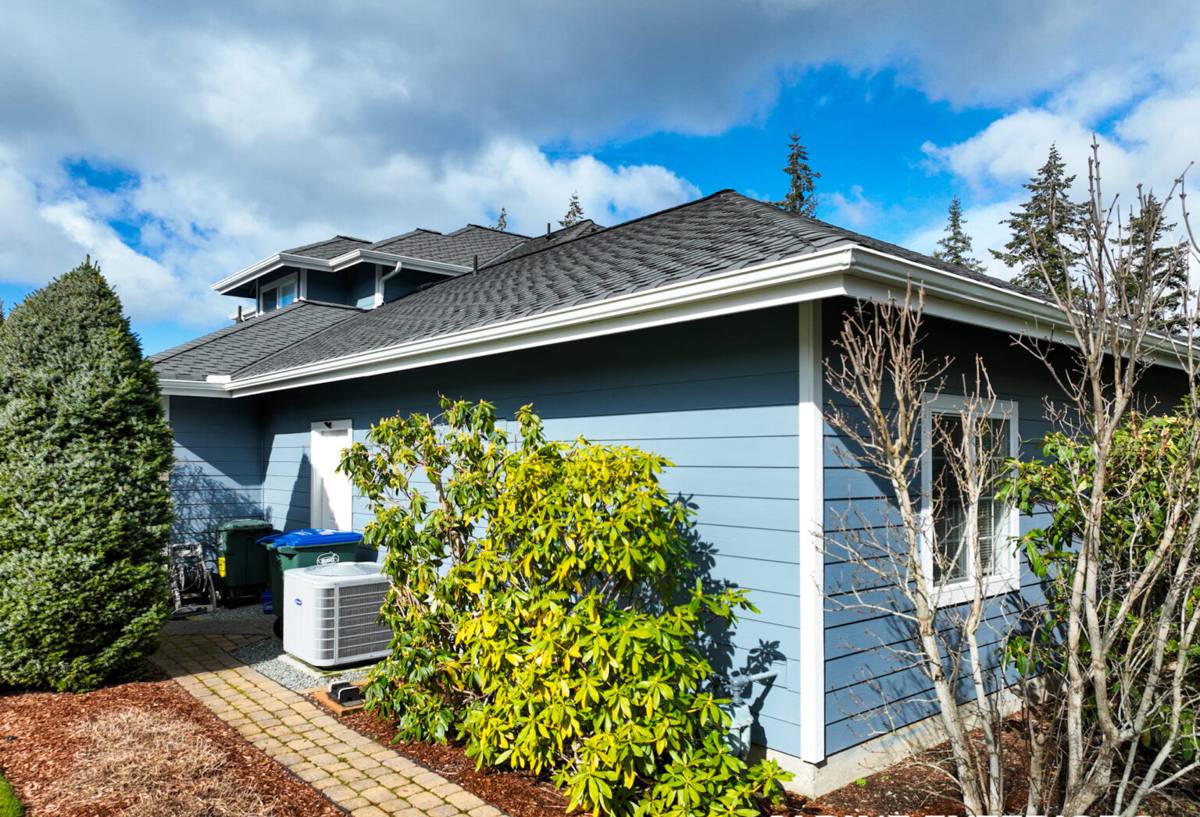
What Salt Air, Rain, and Moss Actually Do to a Shingle Roof
Salt Air and Metal Components
Every asphalt shingle roof depends on metal in places most people never think about — nails, flashing, vent housings, drip edge. In a marine climate, standard fasteners and lower-grade flashing corrode faster than they would inland. Corroded nails lose holding power over time, which is one of the quieter reasons older roofs in this area start losing shingles in wind before they're visibly "worn out."
Wind-Driven Rain and Underlayment
A shingle roof isn't actually watertight from the shingles alone — the underlayment beneath is doing real work, especially when rain is being pushed sideways or upward under the shingle tabs by wind coming off the Sound. Roofs with thin, patchy, or improperly lapped underlayment can develop slow leaks that show up as ceiling stains or musty smells long before any shingle damage is visible from the ground.
Moss, Algae, and Granule Loss
Shade, moisture, and mild temperatures are exactly what moss wants, and a long Pacific Northwest wet season gives it plenty of time to establish. Moss and algae growth holds moisture against the shingle surface, which accelerates granule loss. Those granules are the shingle's actual UV and weather protection — once they're gone in a patch, that section of shingle ages faster than the rest of the roof, even if it still looks fine from a distance.
Signs a Riverside Roof Needs a Closer Look
Most roof failures don't announce themselves with a dramatic leak. They show up as small signals first. Worth checking, especially after a wet or windy stretch:
- Granules collecting in gutters or at downspout outlets, especially after a hard rain
- Shingle edges that look curled, cupped, or lifted rather than lying flat
- Dark streaking or green-black growth concentrated on shaded slopes
- Soft or spongy feel when walking near a valley or roof edge (a sign decking may be compromised)
- Daylight or water staining visible in the attic, particularly around chimneys, vents, or skylights
- Missing or visibly cracked shingles after a windstorm
- Moss growth thick enough to hold a layer of soil or plant debris
Any one of these on its own might just mean routine maintenance. Several together, or moss that's been growing for more than a season or two, usually means it's worth having someone look at the roof in person rather than guessing from the ground.
What a Correct Asphalt Shingle Roofing Job Involves
Tear-Off and Deck Inspection
We don't install new shingles over old ones. A full tear-off is the only way to actually see the roof deck — plywood or planking that can have soft spots, old water damage, or rot hidden under the existing layer. Any damaged decking gets replaced before anything new goes down; skipping this step is the single most common shortcut that leads to problems years later.
Underlayment and Ice-and-Water Barrier
Given how much wind-driven rain this area gets, we use a synthetic underlayment across the full roof and a self-adhering ice-and-water barrier at the vulnerable spots — eaves, valleys, and around any roof penetration — where wind-blown moisture is most likely to find a way in.
Flashing at Every Transition
Chimneys, skylights, sidewalls, and vent pipes are where roofs actually leak, far more often than in the open field of shingles. Correct flashing — properly lapped, sealed, and tied into the underlayment — at each of these transitions matters more to a roof's long-term performance than the shingle brand does.
Ventilation
A shingle roof needs balanced intake (soffit) and exhaust (ridge or roof vents) to let the attic breathe. Without it, trapped heat and moisture shorten shingle life from underneath, and poor airflow makes an attic more hospitable to condensation — a problem in our wet climate even without an active leak.
Shingle Installation and Nailing Pattern
Manufacturer nailing patterns exist for a reason — correct nail count, placement, and fastener length are what keep shingles rated for their stated wind resistance. In a wind-exposed area like ours, we don't treat this as optional or negotiable.
Choosing the Right Shingle for This Climate
Not every shingle product performs the same way here. The table below is a general comparison of the common categories — actual manufacturer specs vary, and we'll walk through specific product options and warranties during your estimate.
| Shingle Type | Typical Lifespan | Wind Rating | Best Fit For |
|---|---|---|---|
| 3-Tab (standard) | 15–20 years | Lower | Budget-conscious projects, secondary structures |
| Architectural / Dimensional | 25–30+ years | Moderate to high | Most Riverside homes; better wind and weather performance |
| Impact-Resistant / Premium | 30+ years | High | Exposed sites, homeowners wanting maximum durability and insurance credit potential |
Most of the roofs we replace in this area go with an architectural shingle. It has more mass and a thicker profile than a 3-tab, which translates directly into better resistance against wind uplift and moisture intrusion — both relevant issues here. Many manufacturers also offer algae-resistant (AR) shingle lines with copper- or zinc-infused granules built in specifically to slow moss and algae growth, which is worth discussing given how long our wet season runs.
Our Process, Start to Finish
- Inspection and estimate. We look at the roof in person — deck condition, flashing points, ventilation, and any moss or moisture issues — and give you a written estimate with no pressure to commit on the spot.
- Material selection. We go over shingle options, colors, and warranty structures so you're choosing based on what fits your home and budget, not a one-size answer.
- Tear-off day. Old roofing comes off, the deck gets inspected and repaired as needed, and we protect your landscaping and driveway during the work.
- Installation. Underlayment, ice-and-water barrier, flashing, and shingles go on in that order, with ventilation addressed as part of the same job — not treated as an afterthought.
- Final walkthrough and cleanup. We do a magnetic sweep for stray nails, haul away debris, and walk the finished roof with you before we consider the job done.
What Drives the Cost of a Roof Replacement
Every roof is different, so we won't quote a number without seeing it, but the main factors that move a project's cost up or down are consistent:
| Factor | Why It Matters |
|---|---|
| Roof pitch and complexity | Steeper roofs and more valleys, dormers, or ridgelines take longer and require more material and safety measures |
| Number of existing layers | Removing multiple old layers adds labor and disposal costs versus a single-layer tear-off |
| Deck condition | Rotted or soft decking found during tear-off needs replacement before new roofing goes on |
| Shingle grade chosen | 3-tab, architectural, and premium/impact-resistant lines carry different material costs and warranty lengths |
| Access and site conditions | Tight lots, mature landscaping, or limited driveway access can affect setup and disposal logistics |
An honest estimate accounts for all of these rather than quoting a flat per-square number that assumes a best-case roof.
Maintenance That Actually Extends a Shingle Roof's Life
A well-installed roof still benefits from basic upkeep, especially in a climate that grows moss on almost anything left alone. A few habits worth keeping:
- Keep gutters clear so water isn't backing up under the lowest course of shingles
- Trim back overhanging branches to reduce shade and debris buildup on the roof
- Remove moss gently — never pressure-wash shingles, which strips granules and shortens their life
- Have flashing around chimneys and vents checked periodically, since these are the most common leak points
- After any major windstorm, do a visual check from the ground for lifted or missing shingles
- Address small leaks or attic moisture promptly rather than waiting for visible ceiling damage
Why It Matters to Hire a Crew That Already Works in Riverside
A roofing crew that regularly works in Riverside and the surrounding Everett neighborhoods already knows how local homes age under this specific combination of salt air, wind, and moss — which means fewer surprises during tear-off and a job spec that's built for this climate from the start rather than adapted after the fact. We're also familiar with Everett and Snohomish County permitting requirements, so that part of the process doesn't become a delay. And because we're local, if a storm damages your roof or you notice a problem after the job is done, we're not far away and not hard to reach.
If your roof is showing any of the signs above, or you're just planning ahead, we're happy to take a look and give you a straightforward, no-pressure estimate. There's no obligation — just an honest read on where your roof actually stands. Use the form below to get started.