 Everett
 Roofing in Marysville: A Different Set of Problems Than Inland Roofs Face
Marysville sits close enough to Puget Sound and the Snohomish River delta that its roofs deal with a combination most inland Washington homes never see: salt-tinged marine air, long stretches of driving rain off the water, and a moss season that can run eight months or more. None of these individually would wreck a roof fast. Together, over ten or fifteen years, they wear through shingles, corrode exposed metal, and quietly rot decking in ways that aren't obvious from the ground.
We replace roofs across Snohomish County, and Marysville jobs get treated differently than roofs we do further inland. The material choices, the flashing details, and the ventilation plan all account for what this specific stretch of coastline does to a roof over time. This page covers what that actually means for your home.
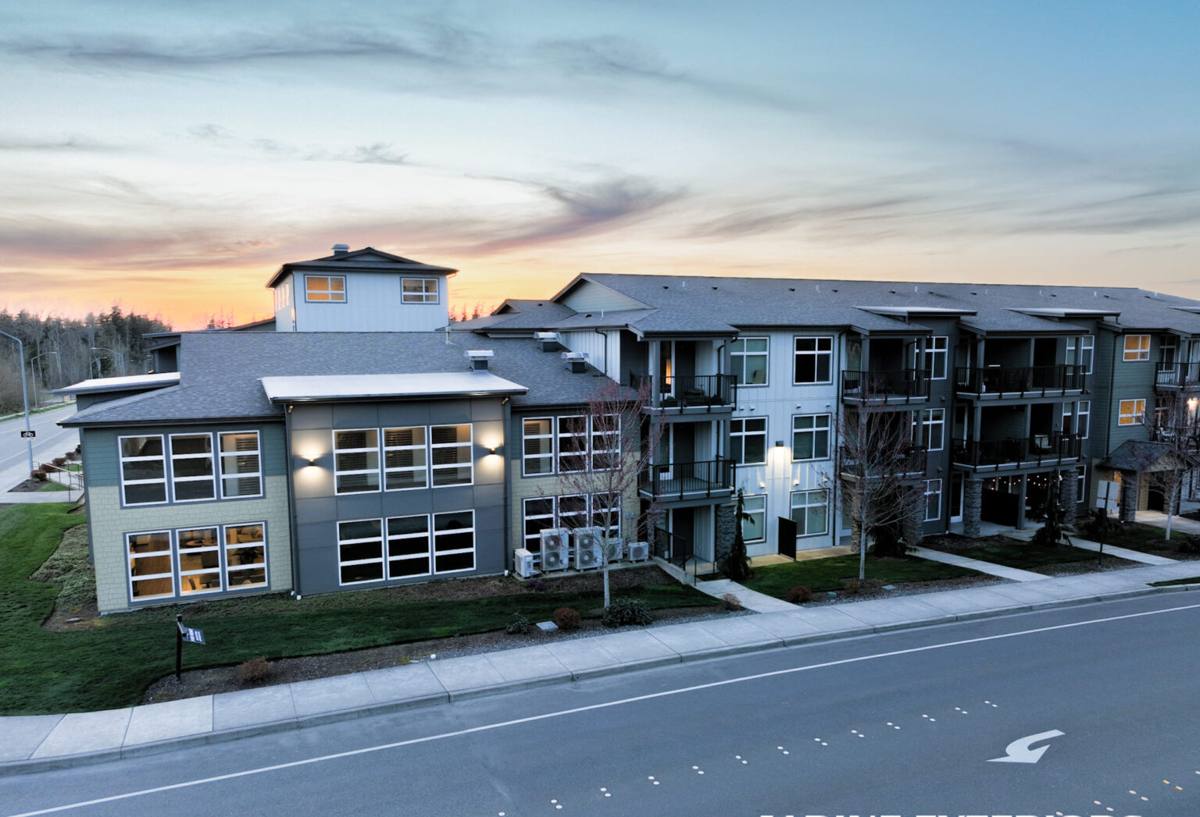
What Marysville's Climate Does to a Roof
Salt Air and Corrosion
Homes closer to the water pick up airborne salt that settles on roofing metal — flashing, vent caps, nail heads, gutter hardware. Over years, untreated or low-grade metal starts to pit and rust, and rust stains bleed down onto shingles. It's rarely dramatic, just steady degradation that shortens the life of components that should otherwise outlast the shingles themselves.
Driving Rain
Rain here doesn't always fall straight down. Wind off the Sound pushes it sideways, which means water finds its way under poorly lapped shingles, around loose flashing, and into any gap that a calmer climate would never expose. A roof that would be fine in a dry inland town can leak in Marysville simply because the installation didn't account for wind-driven rain at valleys, chimneys, and wall intersections.
Moss
Shade, moisture, and mild temperatures are exactly what moss wants, and Marysville has all three for most of the year. Moss holds water against the shingle surface, works its way under shingle edges as it grows, and lifts tabs enough for wind and rain to get underneath. Left unchecked, it accelerates granule loss and shortens roof life by years — and it comes back on north-facing and shaded slopes no matter how many times it's scraped off, unless the roof is treated and protected properly at install.
Signs a Marysville Roof Needs Replacing, Not Patching
Roofs rarely fail all at once. They give warning signs, and knowing which ones mean "call for repair" versus "start planning a replacement" saves money either way.
- Granules collecting in gutters or at downspout outlets, especially after a heavy rain
- Shingles that look cupped, curled at the edges, or cracked when you look closely from the ground
- Moss buildup that returns within a season or two of cleaning, especially on north-facing slopes
- Dark streaking or stubborn stains that don't wash off — often algae or the early stage of moss colonization
- Soft spots, sagging, or visible dips in the roof plane
- Daylight visible through the attic roof deck, or damp insulation after storms
- Flashing around chimneys, skylights, or vent pipes that's rusted, lifted, or separating from the surface
- A roof approaching or past 20-25 years old, even if it "looks okay" from the street
One or two of these usually means a repair is worth trying first. Several at once, especially combined with roof age, usually means repairs are just delaying an inevitable full replacement — and buying time with patches can end up costing more once decking rot enters the picture.
What a Correct Roof Replacement Actually Involves
A roof replacement is more than pulling off old shingles and nailing down new ones. Done right, in a climate like Marysville's, it's a sequence where each step protects the next:
Tear-Off and Deck Inspection
We remove the old roofing down to the deck rather than installing over it. That's the only way to actually see the plywood or OSB underneath — which is where driving rain and long-term moss moisture do their real damage. Soft, delaminated, or water-stained decking gets replaced before anything new goes down. Skipping this step is how a brand-new roof ends up with a soft spot within a few years.
Underlayment
The underlayment is the roof's backup layer against wind-driven rain that gets past the shingles at valleys, edges, and penetrations. In a climate that sees as much sideways rain as this one does, we don't treat underlayment as an afterthought — it's chosen and installed to actually do that job, not just meet the minimum.
Flashing
Flashing around chimneys, skylights, walls, and valleys is where most roof leaks actually start, not in the open field of shingles. Given the corrosion risk from salt air, we pay close attention to the metal we use and how it's installed — proper laps, correct fasteners, and sealing details that hold up over time rather than failing quietly a few years in.
Ventilation
A roof that can't breathe traps moisture in the attic, which shortens shingle life from underneath and creates conditions moss and mold like. Balanced intake and exhaust ventilation is part of a correct replacement, not an optional upgrade — especially on a roof that's already fighting moisture from the outside.
Material Options for Marysville Homes
There's no single "best" roofing material for every house — it depends on budget, roof pitch, how much shade and moss exposure the roof gets, and how long you want the material to last. Here's how the common options compare for a coastal Snohomish County home:
| Material | Typical Lifespan | How It Handles Salt Air & Moss | Cost Position |
|---|---|---|---|
| Architectural asphalt shingle | 25-30 years | Good with algae-resistant granules; moss still needs periodic treatment on shaded slopes | Moderate |
| 3-tab asphalt shingle | 15-20 years | Thinner profile wears faster under moss and moisture; least resistant of the common options | Lowest |
| Metal (standing seam or panel) | 40-50+ years | Sheds moss and moisture well; corrosion resistance depends heavily on coating quality near salt air | Higher |
| Synthetic/composite shingle | 30-50 years | Resists moisture absorption well; good moss resistance, higher upfront cost | Higher |
We install a range of shingle and metal roofing products rather than pushing one brand. Our standard is fitting the material to the roof's exposure and the homeowner's budget — not steering everyone toward whatever's easiest to install. For most Marysville homes, an algae-resistant architectural shingle with proper ventilation and flashing hits the right balance of cost and durability; homes with heavy shade or long ownership horizons often do better paying up for metal or a composite product.
Cost Factors Homeowners Should Actually Weigh
Roof replacement pricing varies by roof size, pitch, layer count, and material, so we won't quote a number here that wouldn't be honest for your specific roof. What we can tell you is what actually moves the price:
| Factor | Why It Matters |
|---|---|
| Roof size and complexity | More valleys, dormers, and penetrations mean more labor and flashing detail |
| Deck condition | Rotted decking found during tear-off adds material and labor to replace it properly |
| Material choice | Asphalt, metal, and synthetic products differ significantly in material cost and installation time |
| Number of existing layers | Tearing off multiple old layers takes longer and adds disposal cost |
| Ventilation upgrades | Adding proper intake/exhaust venting where none existed is a worthwhile add, not just a line-item |
How Our Process Works
We keep the process straightforward and try to avoid surprises mid-job:
- Free on-site estimate. We walk the roof (or inspect from access points where a walk isn't safe), check the attic for ventilation and moisture signs, and give you an honest read on repair versus replacement.
- Written scope and pricing. You get a clear breakdown of material, labor, and what's included — no vague allowances.
- Scheduling around weather. Roofing in a rainy climate means watching the forecast closely; we plan tear-off days to minimize how long your deck is exposed.
- Tear-off, deck repair, and installation. Old material off, deck inspected and repaired as needed, underlayment, flashing, and roofing material installed in sequence.
- Cleanup and walkthrough. Magnetic sweep for nails, hauling of old material, and a final walkthrough so you know exactly what was done.
Why a Crew That Already Works Marysville Matters
Roofing crews that mostly work drier, inland areas can do fine work and still miss details that matter here — under-detailing flashing for wind-driven rain, skipping moss-resistant granules on a shaded slope, or not accounting for how much ventilation a roof in this moisture load actually needs. A crew that regularly works Marysville and the surrounding Snohomish County coastline has already seen what happens when those details get skipped, because we've been called out to fix it.
That local experience also means we're realistic with homeowners about tradeoffs — telling you honestly when a repair will genuinely buy you a few more years versus when it's just deferring a replacement that's coming either way.
After the Install: Keeping a New Roof Performing
A correct installation is most of the battle, but a little upkeep protects the investment in this climate:
- Keep gutters and downspouts clear so water isn't backing up under the roof edge
- Have moss growth addressed early on shaded or north-facing slopes rather than letting it establish
- Keep overhanging branches trimmed back to reduce shade and debris buildup
- Have the roof looked at after major windstorms, which are common enough here to justify a quick check
- Watch the attic occasionally for signs of moisture or condensation, which usually shows up before a ceiling stain does
If your roof is showing its age, or you just want an honest opinion on whether repair or replacement makes more sense for your home, we're happy to take a look. The estimate is free, there's no pressure to commit on the spot, and you'll get a straight answer about what your roof actually needs — just fill out the form below.