 Everett
 Why West Everett Roofs Age the Way They Do
West Everett sits close enough to Puget Sound that salt-laden air is a real factor in how a roof ages, not just a talking point. Metal fasteners, flashing, and exposed hardware corrode faster here than they would twenty miles inland. Add in wind-driven rain that comes off the water at an angle instead of falling straight down, and you get water finding its way under shingle tabs, around vent boots, and into valleys that would stay dry on a calmer site. Then there's moss season, which in this part of Snohomish County can run most of the year on shaded, north-facing slopes. Moss holds moisture against the roofing material, works its way under shingle edges, and slowly lifts them from the deck.
None of this means a roof in West Everett is doomed to fail early. It means the roof has to be built and detailed for these specific conditions, not just installed to a generic spec. That's the difference between a replacement that holds up for its full expected life and one that starts showing problems in year eight or nine.
Signs a Roof Needs Replacing, Not Just Patching
A lot of West Everett homeowners call us for a repair and end up learning the roof is past the point where patching makes sense. Here's how we tell the difference on-site:
- Granule loss heavy enough that you can see bare asphalt on multiple slopes, not just one worn spot
- Shingles that are curling, cupping, or cracking across a wide area rather than a single damaged section
- Soft or spongy decking felt underfoot during inspection — a sign moisture has already reached the wood
- Moss or algae growth that's returned repeatedly after cleaning, especially on shaded roof planes
- Flashing around chimneys, skylights, or vent pipes that's rusted, lifted, or was never sealed correctly
- Daylight visible through the roof deck from inside the attic, or water stains on ceilings after wind-driven rain
If the problems are isolated and the roof still has years of life in the underlying material, a targeted repair is the honest recommendation and that's what we'll tell you. Replacement gets recommended when the damage is widespread or when the roof is old enough that patching one area just means the next failure is a matter of time.
What a Correct Roof Replacement Actually Involves
Full Tear-Off, Not a Layover
We remove the existing roofing down to the deck rather than installing new material over old. A layover hides problems instead of fixing them, and it prevents us from inspecting the one thing that matters most on a West Everett roof: the condition of the decking underneath.
Deck Inspection and Repair
Once the old roofing is off, we check every section of decking for soft spots, delamination, or rot — common where moss has been sitting against the surface for a long stretch, or where a slow leak has gone unnoticed. Any damaged sheathing gets replaced before anything new goes down. Skipping this step is the single most common reason a roof fails early.
Underlayment Built for Wind-Driven Rain
Because rain here doesn't always fall straight down, we pay close attention to underlayment coverage and overlap, plus ice-and-water shield in valleys, around penetrations, and along eaves where wind-driven moisture is most likely to work its way underneath the primary roofing material.
Corrosion-Resistant Flashing and Fasteners
Given the salt air exposure this close to the Sound, we use flashing and fastener materials selected to resist corrosion rather than the cheapest option that happens to meet code. This matters most around chimneys, skylights, valleys, and vent penetrations — the spots where a roof almost always fails first.
Ventilation That Matches the Attic
Proper intake and exhaust ventilation keeps the attic dry and temperature-balanced, which slows moss and algae growth on the roofing material and helps prevent condensation issues inside the attic itself. We size and place venting to the actual roof and attic layout, not a one-size-fits-all formula.
Material Options for This Area
There's no single "best" roofing material for West Everett — the right choice depends on your budget, your roof's slope and shade exposure, and how long you plan to stay in the home. Here's an honest breakdown of what we install most often and why:
| Material | Typical Lifespan | How It Handles Salt Air & Moss | Best Fit |
|---|---|---|---|
| Architectural asphalt shingle | 25–30 years | Good with algae-resistant granules; needs periodic moss removal on shaded slopes | Most homes; best balance of cost and performance |
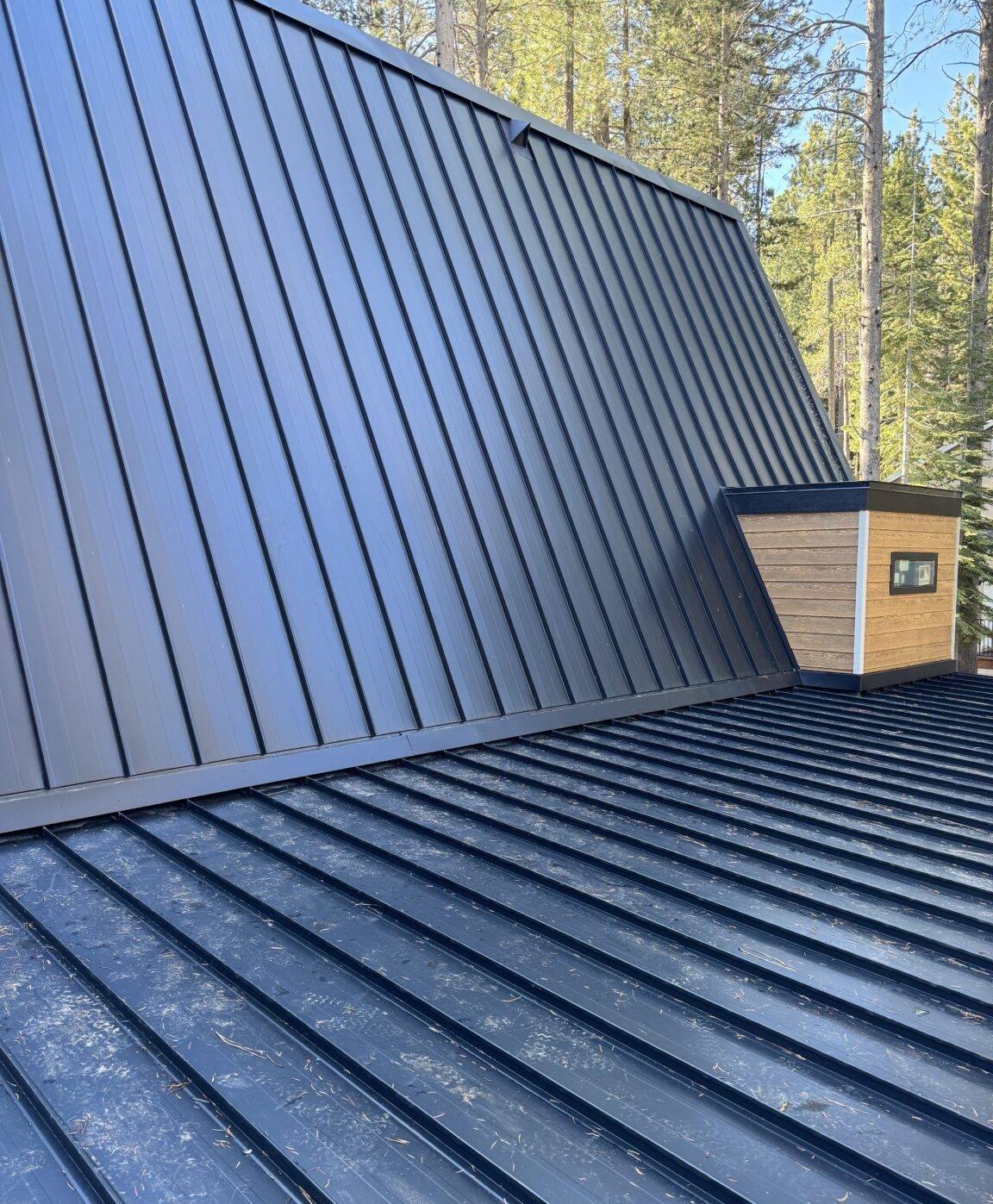
| Standing seam metal | 40–50+ years | Sheds moss well due to smooth surface; requires corrosion-resistant fasteners and coatings near the Sound | Homeowners planning to stay long-term or wanting minimal moss maintenance |
| Composite/synthetic shingle | 30–40 years | Resists moisture absorption better than standard asphalt; still benefits from moss-resistant treatment on shaded areas | Homeowners wanting a shingle look with longer service life |
We don't push one material as universally superior. Each has real trade-offs in upfront cost, installation sensitivity, and long-term maintenance, and we'll walk through which one actually fits your roof and your plans for the house rather than defaulting to whatever's easiest to sell.
Cost Factors Specific to West Everett Jobs
Every roof replacement quote here is shaped by a handful of local factors, not just square footage:
| Factor | Why It Affects Cost |
|---|---|
| Roof pitch and access | Steeper slopes and limited access around mature landscaping slow the work and require more safety equipment |
| Deck condition | Moss and moisture-related decking repair found during tear-off adds material and labor |
| Material choice | Asphalt, composite, and metal carry meaningfully different material and labor costs |
| Flashing and penetration count | More chimneys, skylights, and vents mean more detail work with corrosion-resistant materials |
| Ventilation upgrades | Adding or correcting intake/exhaust venting is often worth doing during a full replacement rather than later |
We give a written estimate that breaks these out so you can see what you're actually paying for, rather than a single lump number.
How Our Process Works
- On-site inspection. We walk the roof and attic, document current condition, and explain what we find in plain terms.
- Written estimate. A clear scope of work and cost breakdown, with material options explained honestly.
- Scheduling around weather. We plan tear-off and install around Snohomish County's rain patterns to minimize the roof deck's exposure time.
- Tear-off and deck repair. Old material removed, decking inspected and repaired as needed before anything new goes down.
- Underlayment, flashing, and roofing installation. Installed to spec for wind-driven rain and salt air exposure, not just manufacturer minimums.
- Final walkthrough and cleanup. We review the finished roof with you and make sure the property is left clean.
Managing Moss and Moisture After Installation
A new roof reduces moss and algae problems significantly, especially if we've corrected ventilation and used moss-resistant materials where appropriate — but it doesn't eliminate the need for periodic maintenance on shaded slopes. We'll tell you honestly whether your roof's orientation and tree cover mean you should plan on occasional moss treatment or gutter clearing, rather than promising a maintenance-free result that isn't realistic in this climate.
Before You Sign With Any Roofing Contractor
- Confirm they carry current WA state contractor licensing and liability insurance, and are willing to show proof
- Ask whether the quote includes full tear-off and deck inspection, not just a layover
- Get material and workmanship warranty terms in writing before work starts
- Ask specifically how they'll handle flashing and fasteners given salt air exposure this close to the Sound
- Confirm what happens if decking repair is needed once the old roof is removed — get that pricing structure upfront
- Ask how they plan the job around Pacific Northwest rain patterns to protect an exposed deck
Why Local Experience Matters Here
A roofing crew that works West Everett regularly already knows which flashing details fail first near the Sound, which slopes in the neighborhood tend to hold moss longest, and how to sequence a tear-off around the region's rain windows instead of gambling on a dry stretch. That local pattern recognition shows up in fewer callbacks and a roof that's actually detailed for the conditions it has to survive, not just built to a generic code minimum.
If your roof is showing its age or you just want an honest read on where it stands, we'll come take a look. The estimate is free, there's no pressure to sign anything on the spot, and you'll get a straight answer about whether you need a full replacement or something less.