 Everett
 South Everett's Climate Is Harder on Siding Than It Looks
South Everett sits close enough to Puget Sound that salt-laden air reaches the neighborhood on a regular basis, and it's far enough inland to also catch the wind-driven rain that rolls off the water and up through Snohomish County. That combination is tougher on exterior siding than either factor alone. Salt air accelerates corrosion on fasteners and metal trim. Driving rain doesn't just wet the surface of a wall — it pushes moisture sideways into seams, laps, and butt joints that were never designed to handle it. And because South Everett gets a long stretch of overcast, damp weather every year, siding here spends months at a time without a real chance to fully dry out.
That's also what creates the moss and algae problem homeowners in this area know well. Shaded north- and west-facing walls, gutters that hold onto moisture, and a wet season that can run from fall through spring all add up to conditions where moss gets a foothold on siding surfaces that can't shed water fast or dry out between rain events. On some products, that's just a cosmetic nuisance. On others, it's a sign that moisture is sitting against the wall longer than it should, which is a bigger problem than it looks like from the curb.
None of this means South Everett homes need exotic materials or unusual construction. It means the siding and the installation details have to be matched to what this specific climate actually does to a house over years, not just what looks good on the day it goes up.
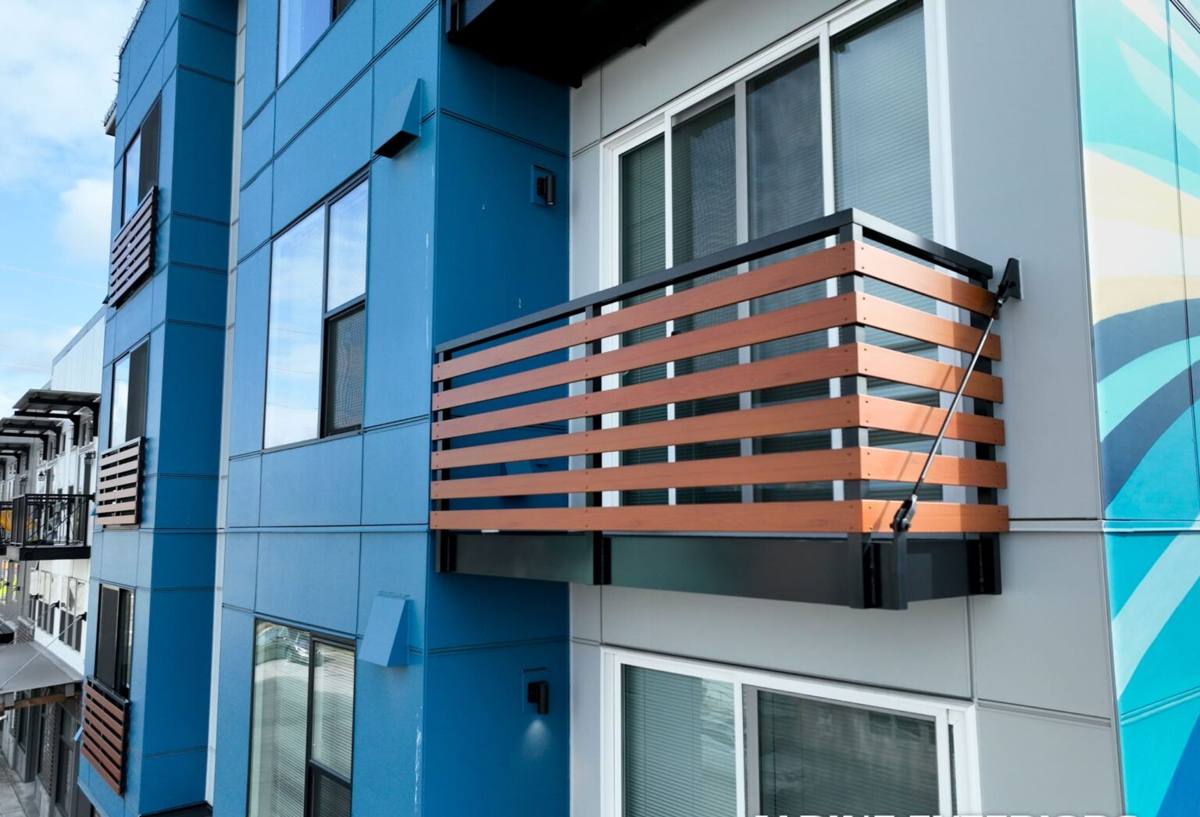
What "Siding Replacement" Actually Means
Siding replacement is a full removal-and-reinstall job — not a recoat, not a panel-by-panel patch, and not siding installed directly over what's already there. It starts by stripping the old siding down to the sheathing, which is also the point where a contractor can actually see what's been happening behind the wall. Rot, soft sheathing, failed old house wrap, and improperly flashed windows are things you can't diagnose from the driveway, and they're common enough on older Everett-area homes that we treat every replacement as an inspection job first and an installation job second.
Replacement vs. Repair
Repair makes sense when the damage is isolated — a cracked panel from an impact, a section damaged by a fallen branch, or localized rot around a single leak that's already been fixed. Replacement is the right call when the siding is failing broadly: widespread moisture damage, siding that's reached the end of its practical service life, or a house where patch repairs would leave mismatched material and an unresolved underlying moisture problem.
Signs a South Everett Home Needs Siding Replacement
Given the local climate, these are the issues we see most often on homes that are due for a full replacement rather than a repair:
- Soft or spongy spots when you press on the siding, especially near the bottom courses and around window sills
- Paint that's peeling, bubbling, or won't hold no matter how often it's redone
- Persistent moss or dark algae staining that comes back within a season of cleaning
- Visible warping, buckling, or gaps opening up at the seams and corners
- Rot or discoloration visible at the bottom edge of panels or around penetrations like hose bibs and vents
- Rising heating bills with no other explanation, which can point to moisture-compromised insulation behind the wall
- Siding that's simply original to a home built decades ago and has never been replaced
Why We Install Only James Hardie Fiber Cement
We standardized on James Hardie fiber cement siding and don't install vinyl, LP SmartSide, Cemplank, Allura, or primed wood siding. That's not a marketing position — it's what we've decided holds up best against the specific conditions homes face here: sustained moisture exposure, salt air, and a long wet season with limited drying time between storms.
Fiber cement is non-combustible and dimensionally stable, so it doesn't expand, contract, or warp with humidity swings the way wood-based products can. James Hardie's factory-applied ColorPlus finish is baked on under controlled conditions rather than applied on site, which matters in a climate where field-painted or field-primed products often need a fresh coat within a handful of years just to keep up appearances. Hardie also engineers specific product lines for different climate zones, and the versions used in the Pacific Northwest are built around the reality of prolonged moisture exposure rather than a one-size-fits-all specification.
We're not going to tell you every other product is worthless — vinyl is inexpensive and low-maintenance in the right setting, and engineered wood has genuine fans. But for the way South Everett weather behaves, we settled on the one material system we're willing to warranty and stand behind, and that's what goes on every home we work on.
What Correct Installation Involves
Fiber cement siding is only as good as the installation behind it. Most of the siding failures we get called out to inspect on older homes trace back to installation shortcuts, not the material itself.
The Details That Matter Most
A correct James Hardie installation includes a properly lapped weather-resistant barrier behind the siding, flashing integrated at every window, door, and roofline transition, and consistent clearance between the bottom of the siding and grade, decks, or roof surfaces so water has somewhere to go. Panels need correct fastener spacing and placement — over-driven or misplaced nails are a common cause of premature cracking. Butt joints should be flashed or caulked per Hardie's specifications, and siding should never be installed in direct contact with soil, mulch, or standing water, all of which are easy mistakes to make on a lot with drainage challenges.
Why This Matters More Here
In a drier climate, some of these details are forgiving. In South Everett, where walls face months of sustained rain and limited drying, a missed flashing detail or a gap that lets water track behind the panel turns into rot and moisture damage far faster than it would somewhere with less annual rainfall.
Our Process, Start to Finish
- Free on-site estimate — we look at the existing siding, the sheathing where visible, and the specific exposure of each wall (sun, shade, wind direction, water drainage).
- Written scope and product selection — we walk you through the applicable Hardie product line, ColorPlus color options, and trim details before any work starts.
- Removal and inspection — old siding comes off, and we document any sheathing or framing issues we find before covering them back up.
- Weather barrier and flashing — house wrap, window and door flashing, and drainage details are installed or corrected before a single new panel goes up.
- Siding installation — panels, trim, and fasteners installed to James Hardie's published specifications, not shortcuts.
- Final walkthrough — we go over the finished work with you and address anything before we consider the job done.
What Drives the Cost of a Siding Replacement
Every home is different, and we won't quote a number without seeing the house, but these are the factors that most often move the price up or down:
| Factor | Why It Matters |
|---|---|
| Home size and wall area | More square footage means more material and labor hours |
| Existing siding type | Removal of old stucco or multiple layered siding takes longer than a single layer of lap siding |
| Sheathing condition | Rot or water damage found during removal adds repair work before new siding can go on |
| Trim and architectural detail | Multiple gables, dormers, and window trim add labor even when wall area stays the same |
| Home height and access | Two- and three-story sections and difficult access require more setup and safety equipment |
| Siding profile and color | Plank width, shingle-style panels, and custom ColorPlus selections vary in material cost |
Why It Matters to Hire a Crew That Already Works South Everett
A crew that regularly works South Everett and the surrounding Everett area already understands how the local climate behaves against a wall — where moss tends to establish, which wall orientations take the worst of the driving rain, and how much drying time a given detail realistically gets between storms. That translates into installation decisions that aren't just technically correct on paper but actually account for how this specific area's weather plays out over the life of the siding.
Local experience also means familiarity with Snohomish County permitting expectations and the kind of home construction common in this area, from the age and framing style of established South Everett neighborhoods to newer builds. That reduces surprises during removal and keeps the project moving without avoidable delays.
Caring for Your New Siding After Installation
James Hardie fiber cement is low-maintenance, but "low-maintenance" isn't "no-maintenance," especially in a climate that grows moss on nearly anything left damp long enough. A periodic rinse to clear pollen, dust, and early moss growth, keeping gutters clear so water isn't overflowing onto walls, and trimming back vegetation that shades and dampens a wall all go a long way toward keeping new siding looking the way it did on day one. Because the ColorPlus finish is factory-applied, you're not signing up for a repaint cycle the way you would with field-finished materials — that's one of the practical reasons this product holds up well against a wet, mossy climate over the long run.
If you're weighing whether your South Everett home needs a full siding replacement or just wondering what shape your current siding is really in, we're happy to take a look. The estimate is free, there's no pressure, and you'll get a straight answer about what your home actually needs — just fill out the form below to get started.