 Everett
 Why Bayside Homes Ask for Windows Built Differently
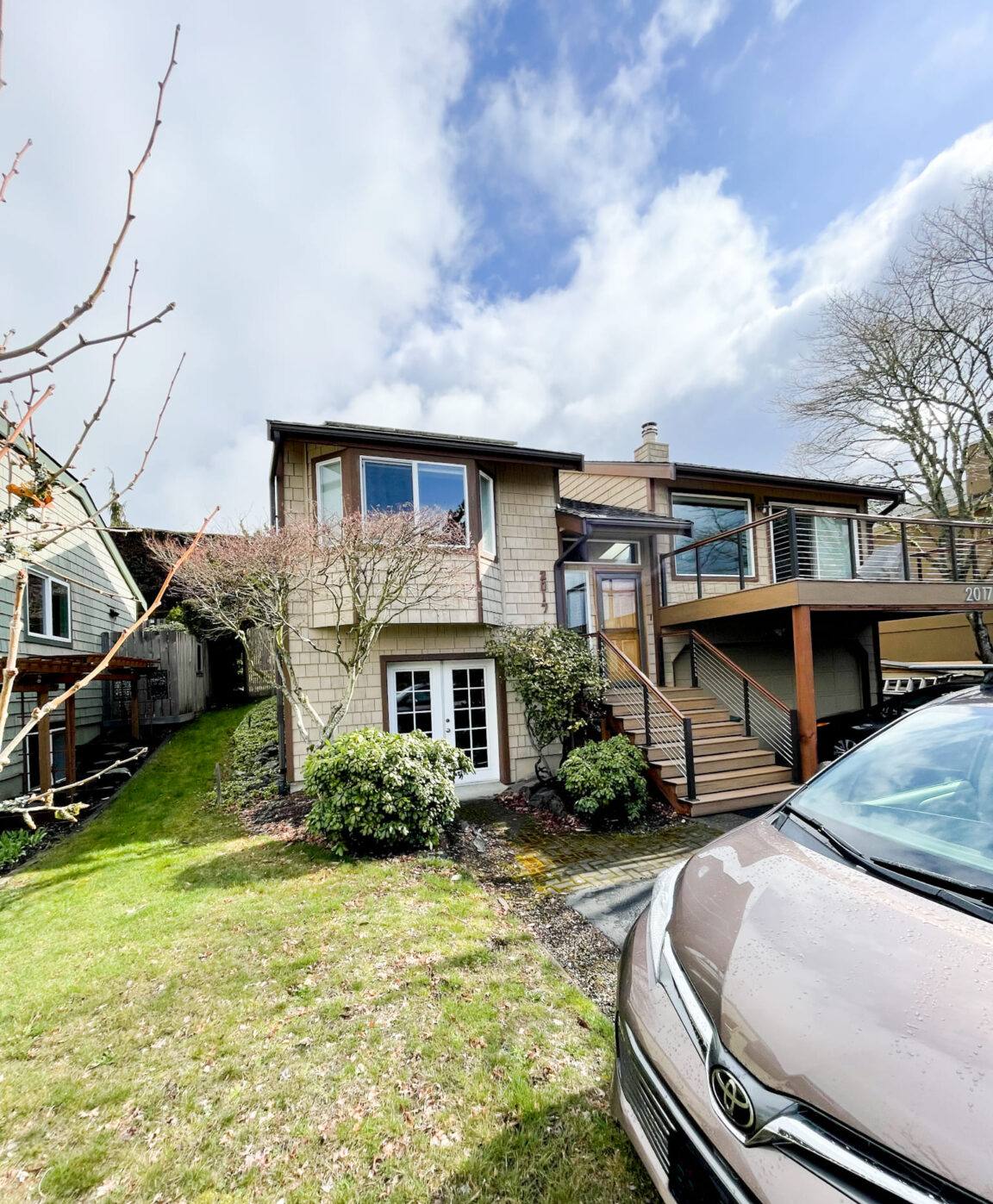
Bayside sits close enough to the water that homes here take a different kind of weather beating than houses a few miles inland in Snohomish County. Salt-tinged air, wind-driven rain off the Sound, and a moss season that can stretch from October well into spring all put extra load on window frames, seals, and hardware. A window that would hold up fine in a drier, more sheltered part of the county can start showing problems in Bayside years earlier than expected. That's not a knock on any particular product — it's just what this microclimate does to anything with seams, seals, and moving parts.
Salt Air and Coastal Exposure
Airborne salt is corrosive to exposed metal — hinges, cranks, screen frames, and some low-grade hardware finishes. Over years, it can pit or discolor components that would otherwise last decades. It also settles on glass and frames as a fine film, which is more of a cleaning nuisance than a structural issue, but it's worth knowing so you're not surprised by it.
Driving Rain and Wind
Storms moving in off Puget Sound often arrive with sideways rain, not just straight-down rain. That matters for windows because it tests flashing and drainage details that a calmer climate might never stress. A window can pass a light rain with no issues and still leak during a wind-driven storm if the flashing wasn't lapped correctly or the sill pan wasn't sloped to shed water outward.
Moss Season and Sill Debris
Everett's long wet season grows moss and algae on anything that stays damp and shaded, including window sills, trim, and the small weep holes that let water drain out of the frame. When those weep paths clog with moss and organic debris, water that's supposed to drain back outside instead sits against the frame or backs up into the wall assembly. This is one of the more common, and most preventable, causes of window-related rot we see in this area.
What a Correct Custom Window Install Actually Involves
"Custom" windows simply means the units are sized and configured to fit your specific rough openings and the look of your home, rather than pulled off a shelf in a standard size. The install work behind them is what determines whether they perform for 20+ years or start failing in five.
Flashing and Weatherproofing Details
Proper installation means integrating window flashing with the home's existing weather-resistive barrier in the right shingle-lap order — house wrap, then sill pan flashing, then the window, then head flashing over the top — so water is always directed outward and downward, never trapped behind the siding. In a climate that gets sustained wind-driven rain, skipping or reversing this order is the single most common cause of hidden water damage.
Sill Pans and Drainage
A sloped sill pan under the window, with a clear path for any incidental water to exit, is non-negotiable on a coastal-influenced install. It's a small detail that's invisible once trim goes back on, but it's the difference between water that drains harmlessly and water that sits against wood framing.
Sealing and Insulation
Low-expansion foam or backer rod and sealant around the perimeter — not just caulk at the trim — closes air gaps that would otherwise let in drafts and moisture-laden air. Over-filling with high-expansion foam can actually bow window frames, so this step takes some restraint, not just more product.
Choosing the Right Window Material for a Coastal-Influenced Property
There's no single "best" window material for every Bayside home — it depends on your budget, how much upkeep you want to do, and how the house is oriented to weather. Here's how the common options actually compare for this climate:
| Material | Coastal/moisture behavior | Maintenance | Typical lifespan |
|---|---|---|---|
| Vinyl | Won't rot or corrode; handles moisture well | Low — occasional cleaning | 20–30 years |
| Fiberglass | Very stable in temperature and moisture swings; resists warping | Low | 30–40+ years |
| Wood (unclad) | Handsome look but needs consistent upkeep in a wet, salt-air climate | High — repainting/sealing on a schedule | Varies widely with maintenance |
| Wood-clad (aluminum or fiberglass exterior) | Wood interior warmth with a weather-resistant exterior shell | Moderate | 25–35 years |
| Aluminum | Strong but conducts cold and can be prone to condensation without a thermal break | Low | 20–30 years |
For most Bayside homes we work on, vinyl or fiberglass ends up being the practical choice specifically because of the moisture exposure — not because wood windows are a bad product, but because a coastal-influenced climate raises the maintenance bar on anything with exposed, unclad wood on the exterior face.
Our Process, Start to Finish
- On-site assessment — we look at existing frames, sills, and flashing (not just the glass) to catch rot or drainage problems before they're hidden behind new windows.
- Measuring and ordering — custom units are measured to your actual rough openings, accounting for any settling or out-of-square conditions common in older homes.
- Removal and inspection — once old windows come out, we check the framing underneath. This is often the first time hidden moisture damage becomes visible.
- Flashing and sill pan installation — done to shed water outward, following the sequencing that actually works in wind-driven rain.
- Window setting, shimming, and fastening — units are leveled, plumbed, and squared before permanent fastening.
- Air sealing and insulation — perimeter gaps closed correctly, without over-packing.
- Interior and exterior trim — finished to match the home.
- Final walkthrough — every window operates, locks, and seals the way it should before we consider the job done.
Common Problems We Run Into on Bayside Window Jobs
- Weep holes clogged with moss and debris, causing water to pool inside the frame track
- Rotted sills and jack studs behind windows that were caulked over instead of properly flashed
- Corroded cranks and hinges on older aluminum or lower-grade hardware
- Fogged double-pane glass from a failed seal, letting moisture between the panes
- Drafts and cold spots traced back to gaps in the original perimeter sealing, not the glass itself
Most of these aren't glass problems at all — they're installation or drainage problems that happen to show up as window symptoms. That's an important distinction, because replacing the glass or the whole unit won't fix a flashing or drainage issue underneath.
Maintenance That Actually Extends Window Life Here
Between service visits, a few habits make a real difference in a climate like this:
- Clear moss and debris from sills and weep holes at least twice a year, more often under trees or in shaded exposures
- Rinse salt film off glass and frames periodically if the home has direct water exposure
- Lubricate hardware (cranks, hinges, locks) annually with a light, non-gumming lubricant
- Check exterior caulking at trim joints each fall before the wet season sets in
- Watch for soft or discolored wood at sills and trim — catching rot early is far cheaper than replacing rotted framing later
What Drives Cost on a Custom Window Project
We won't quote a number without seeing the job, but the honest cost drivers are consistent from house to house:
| Factor | Why it matters |
|---|---|
| Number and size of openings | More or larger windows mean more material and labor |
| Material choice | Vinyl, fiberglass, and clad-wood carry different unit costs |
| Condition of existing framing | Hidden rot repair adds time and material beyond the window itself |
| Access and height | Second-story or hard-to-reach openings take more setup and time |
| Trim and finish work | Matching existing interior/exterior trim profiles adds labor |
The one factor worth flagging specifically for this area: framing condition. Because moisture-related rot can hide behind trim for years before it's visible, we build in time during the assessment to check for it rather than assume it isn't there.
Repair or Replace?
Not every window problem means a full replacement. A single failed seal, a stuck sash, or worn weatherstripping can sometimes be repaired. Replacement makes more sense when you're seeing rot in the surrounding frame, chronic drafts across multiple windows, or hardware failures that are becoming frequent. We'll tell you honestly which situation you're in rather than push a bigger job than the house needs.
Why a Crew That Already Works Bayside Matters
Window performance in this neighborhood comes down to details that are easy to get wrong if you don't regularly work in this specific exposure: how far to lap flashing for wind-driven rain, how much drainage capacity a sill pan needs given the moss and debris load, and which materials hold up without excessive upkeep in salt-influenced air. A crew that installs windows across Snohomish County generally will get the basics right. A crew that works Bayside and similar Everett-area properties regularly has already seen how these specific conditions play out over years, not just at installation.
If your windows are drafty, hard to operate, showing fogged glass, or you're just planning ahead for a remodel, we're happy to take a look and give you a straight assessment — including telling you if repair is a better fit than replacement. Reach out for a free, no-pressure estimate using the form below.