 Everett
 Why Bayside Homes Need a Different Approach to Siding Repair
Bayside sits close enough to the water that its homes take on a different weather load than houses a few miles inland in Everett. Salt-tinged air, wind-driven rain off Puget Sound, and long stretches of gray, damp weather all work on exterior siding in ways that show up as specific, recognizable damage patterns. A siding repair here isn't just patching a hole — it's understanding why that hole formed in the first place and making sure the fix holds up against the same conditions that caused it.
We work in this neighborhood regularly, which means we're not guessing at what Bayside siding looks like after a decade or two of exposure. We've seen the same failure points repeat house after house, and that pattern recognition is a big part of what makes a repair actually last instead of becoming a callback six months later.
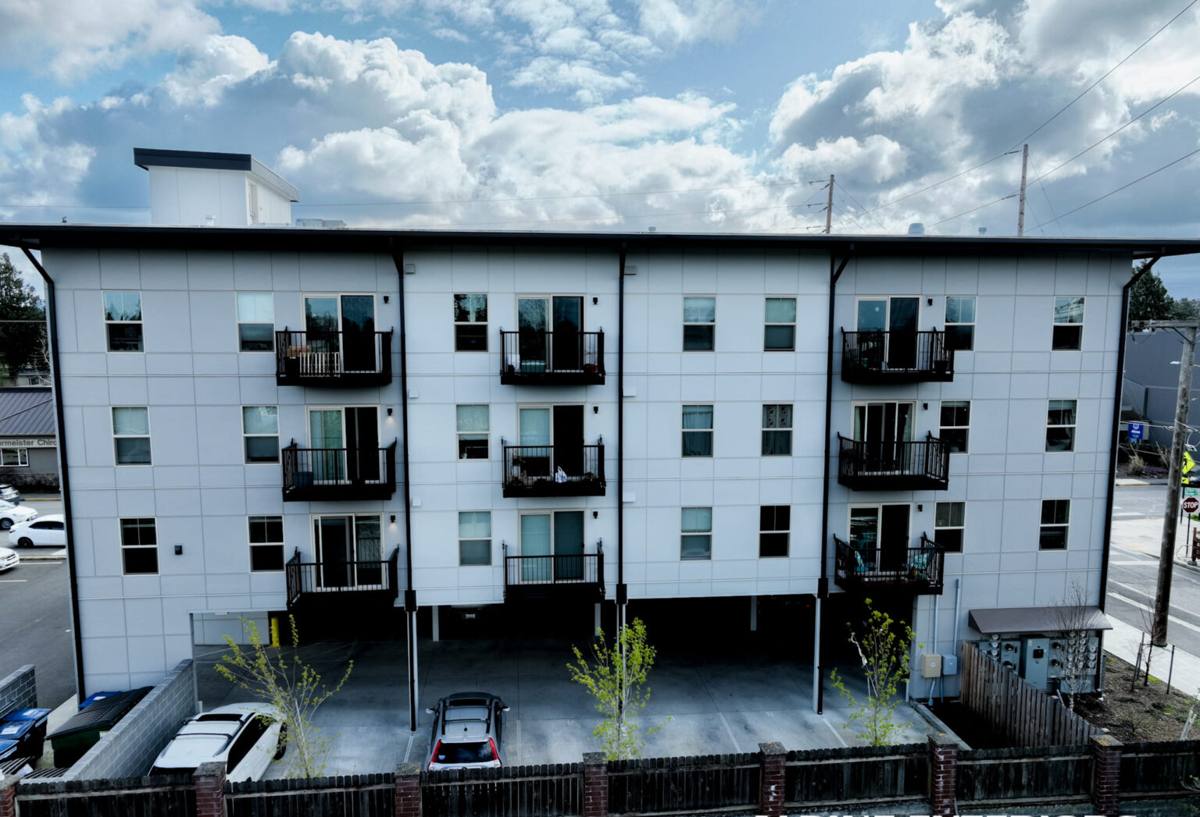
What Puget Sound Weather Does to Siding Over Time
Salt Air and Corrosion
Homes closer to the water deal with a fine layer of salt-laden moisture in the air, even on days without rain. Over years, that salt exposure accelerates corrosion on any exposed metal fasteners, flashing, and trim — and it can degrade certain siding finishes faster than the same product would age further inland. Fasteners that rust and weep can stain siding and eventually loosen their grip on the substrate, which is one of the more common repair calls we get in this part of Everett.
Driving Rain and Wind-Driven Moisture
Snohomish County gets its share of steady rain, but proximity to open water also means Bayside catches more wind-driven rain — the kind that hits siding at an angle instead of falling straight down. That matters because wind-driven rain finds gaps that vertical rain never would: unsealed laps, worn caulk joints, and poorly flashed penetrations around windows, vents, and utility lines. Once water gets behind the siding, the damage is often invisible from the street until it's significant.
The Long Moss Season
Between the moisture and the shade many Bayside lots get from mature trees, moss and algae have a long season to establish themselves on north-facing and shaded siding runs. Moss holds moisture directly against the siding surface for extended periods, which is a slow but steady contributor to rot in wood-based products and finish breakdown in others. It's rarely the sole cause of a repair, but it's almost always a contributing factor we look for.
Signs Your Bayside Home Needs Siding Repair
Most siding problems give some warning before they become expensive. Worth checking for, especially after a wet winter:
- Soft or spongy spots when you press on the siding, particularly near the bottom courses and around windows
- Visible rust streaks below fastener heads or metal trim
- Persistent moss or algae growth that returns quickly after cleaning
- Cracked, peeling, or bubbling paint or finish in localized areas
- Gaps or separation at panel seams, corners, or where siding meets trim
- Warped or bowed panels, especially on walls that face prevailing wind and rain
- Musty smell or visible staining on interior walls that back up to exterior siding
Any one of these on its own might be minor. Two or three together, especially in the same area of the house, usually mean water has been getting in for a while.
What a Correct Siding Repair Actually Involves
Diagnosing the Cause, Not Just the Symptom
Replacing a damaged panel without figuring out why it failed is a temporary fix. Before we touch a piece of siding, we're looking at what's behind it — the house wrap, the flashing details, the fastener pattern — to understand whether the damage was a one-time event or a sign of an ongoing water management problem. Repairing over an unresolved leak just delays the next repair.
Matching Materials and Finish
A repair that stands out visually is a repair done wrong, in our view. That means sourcing matching profile, exposure, and color whenever possible, and being upfront with homeowners when an exact match isn't realistic — older siding runs fade and discontinue over time, and pretending otherwise doesn't help anyone.
Flashing, Caulking, and Water Management
Most of the siding failures we see in this area trace back to water intrusion at a joint, seam, or penetration rather than failure of the siding field itself. A correct repair addresses the water path first: proper flashing above windows and trim, correctly lapped house wrap, and sealant used only where it belongs — not as a substitute for proper flashing.
Common Bayside Repair Scenarios
| What We See | Likely Cause | What the Repair Involves |
|---|---|---|
| Rust streaking near fastener lines | Salt air corrosion on exposed metal fasteners | Remove and replace with corrosion-resistant fasteners, clean and reseal affected panels |
| Soft, rotted siding near grade or under windows | Wind-driven rain intrusion behind failed flashing or caulk | Remove damaged material, correct flashing, replace panels, reseal properly |
| Persistent moss on shaded walls | Extended moisture retention from shade and long wet season | Clean surface, address any trapped moisture, and adjust maintenance schedule |
| Bowed or separated panels on exposed walls | Repeated wetting and drying cycles from driving rain exposure | Replace affected sections and verify fastening and lap spacing meet spec |
| Interior staining on an exterior-facing wall | Long-term hidden leak, often at a window or penetration | Open the wall assembly, dry and assess sheathing, repair from the water barrier out |
Our Repair Process
Inspection and Estimate
We start by walking the exterior with the homeowner, noting every area of concern and checking spots that often get missed — behind shrubs, under eaves, and on shaded walls where moss and hidden moisture tend to collect. We give a straightforward estimate based on what we actually find, not a guess from a photo.
The Repair Itself
Once the scope is agreed on, we remove only what needs to come out, correct the underlying water management issue, and rebuild with matched materials and proper fastening. We don't caulk over a problem to make it look finished if the real fix requires opening the wall further.
Cleanup and Follow-Up
We clean up debris and old material as we go, and we walk the finished repair with the homeowner before calling the job done. If something doesn't look or feel right, we want to hear about it directly, not find out later.
Why a Local Bayside Crew Matters
Siding repair done by a crew unfamiliar with this specific stretch of Everett tends to treat every job as a generic patch. A crew that already works in Bayside recognizes the pattern of salt exposure, knows which wall orientations take the worst of the driving rain, and doesn't need to relearn the neighborhood's moisture behavior on your dime. That familiarity translates into faster, more accurate diagnosis and fewer surprises once the siding comes off.
It also matters for response time. Water intrusion problems get worse the longer they sit, and being able to get a crew out to look at a soft spot or a active leak quickly — rather than waiting on a company that has to drive in from well outside the area — can be the difference between a contained repair and a much larger one.
When Repair Isn't Enough: Repair vs. Replacement
Not every siding problem should be repaired. Sometimes the honest answer is that repair is throwing money at a system that's past the point of patching. A few factors we weigh with homeowners:
| Factor | Favors Repair | Favors Replacement |
|---|---|---|
| Extent of damage | Isolated to one or two wall sections | Widespread across multiple walls or elevations |
| Age of existing siding | Relatively young, otherwise sound material | Near or past its expected service life |
| Underlying cause | A single identifiable, fixable water path | Systemic water management failure across the house |
| Material match | Matching material still available | Discontinued profile or color, patchwork would be visible |
Why We Patch and Rebuild in James Hardie Fiber Cement
When a repair calls for new material, we only work with James Hardie fiber cement. It's non-combustible, holds its ColorPlus factory finish far longer than field-applied paint, and Hardie's HZ product lines are engineered specifically for wetter, more variable climates like ours — which matters directly in a salt-air, high-rain environment like Bayside. We don't install vinyl, LP SmartSide, Cemplank, Allura, or bare cedar or primed spruce siding, because in our experience those products carry maintenance burdens, moisture sensitivities, or installation tolerances that don't hold up as well against this kind of repeated coastal exposure. When a full replacement is the right call, Hardie is what we put on the house, backed by a strong transferable warranty when installed to spec.
If you're seeing any of the warning signs above, or just want an honest read on what's going on with your siding, we're happy to take a look. The estimate is free, there's no pressure to move forward, and you'll get a clear explanation of what we find and what it would take to fix it right.