 Everett
 Why Delta's Spot on the River Delta Matters for Windows
Delta is one of Everett's older, low-lying neighborhoods, sitting close to where the Snohomish River meets Puget Sound — which is where the name comes from. That location means homes here take a different kind of weather beating than houses a few miles inland in Snohomish County. There's more salt-laden air moving off the water, wind-driven rain that comes in sideways during fall and winter storms, and a long damp season that keeps moss and algae established on north- and west-facing surfaces for much of the year. Custom windows in this setting aren't a cosmetic upgrade. They're one of the few building components standing directly between that weather and the inside of the house, day after day, year after year.
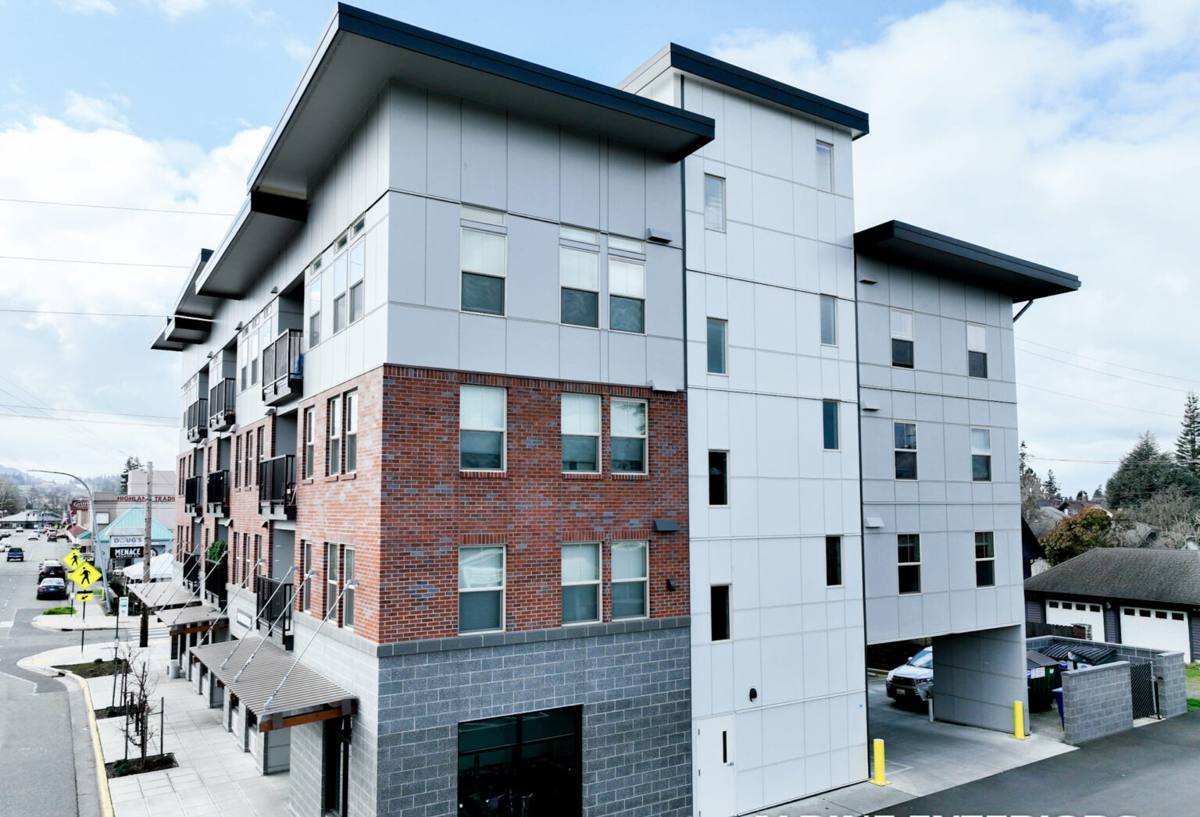
What "Custom" Actually Means for Delta's Housing Stock
Delta has a real mix of home ages — older bungalows and cottages on the flatter ground closer to the river, along with newer infill and remodeled homes built up over the decades. In practice, that mix means a lot of window openings that don't match today's standard sizes. Older houses have rough openings that have settled slightly out of square, original trim and siding details that a stock window won't fit without tearing into more of the wall than necessary, and additions or porch conversions where the framing was never built to a modern window module.
"Custom" window work in a neighborhood like this usually means one of two things: a true made-to-size unit built to an out-of-standard opening, or a standard-size window installed with custom framing, jamb extensions, and trim so it sits cleanly in an older wall. Either way, an accurate field measurement taken in person — not a guess off original builder's plans — is what keeps the project from turning into a return trip for a poorly fitting window.
The Climate Factors That Actually Shape the Job
Salt Air and Hardware Corrosion
Homes closer to Puget Sound deal with salt-laden air that accelerates corrosion on exposed metal — hinges, cranks, balance systems, and screen frames wear faster here than they would on the same window installed twenty miles inland. Hardware finish and material matter more in Delta than in most of the county, and it's worth asking specifically how a manufacturer's hardware is rated for coastal exposure before you commit to a product.
Driving Rain and Flashing
Storms off the Sound don't just drop rain straight down — wind pushes it sideways into wall assemblies, which is exactly where a lot of window failures start. A window can be well built and still leak if the flashing, sill pan, and weather-resistive barrier around it weren't integrated correctly during installation. This is the single most common source of hidden water damage we find behind older windows in this area.
A Long Moss and Algae Season
Everett's damp, mild winters keep moss and algae active on shaded surfaces for much of the year, and window sills, frame tracks, and trim are no exception. Left unchecked, organic growth holds moisture against wood and vinyl surfaces longer than it would otherwise sit, which shortens the life of caulk joints, finishes, and in some cases the frame material itself.
Condensation in Older, Tighter Walls
When older single-pane or early dual-pane windows get replaced with tighter, better-insulated units, the whole house's moisture balance can shift. Interior humidity that used to escape through leaky old windows now has fewer places to go, which is why ventilation and interior humidity control deserve a conversation alongside any window upgrade, not as an afterthought.
Frame Material Comparison for a Delta Home
| Frame Material | Salt Air Tolerance | Moisture Behavior | Maintenance |
|---|---|---|---|
| Vinyl | Good — won't corrode | Doesn't absorb water; seams need periodic inspection | Low |
| Fiberglass | Very good — stable in temperature and humidity swings | Minimal expansion/contraction, holds seals well over time | Low to moderate |
| Wood / Wood-Clad | Fair — cladding protects exterior face, but any breach exposes wood | Vulnerable if flashing or finish fails; needs a sound exterior barrier | Higher — finish and joint upkeep |
| Aluminum | Poor without upgraded coatings — prone to pitting near salt air | Conducts heat/cold, prone to condensation on interior frame | Moderate |
None of these materials is automatically wrong for Delta — it depends on the specific product line, the coating or cladding quality, and how the window is detailed at installation. We'll walk through the honest trade-offs of each for your specific openings rather than pushing one material across the board.
What a Correctly Installed Window Includes
A window can be an excellent product and still fail early if it's installed poorly. In this climate, these details aren't optional extras — they're the baseline for a job that's going to hold up near the water:
- A sloped sill pan or sill pan flashing that directs any intruded water back outside, not into the wall cavity
- Proper integration with the existing weather-resistive barrier — new flashing tucked under, not just taped over, existing house wrap
- Correct shimming and squaring so sashes operate smoothly and seals compress evenly around the whole frame
- Exterior sealant appropriate for the siding material and joint width, applied at the right points — not just a bead everywhere
- Insulation in the gap between the new frame and rough opening, without over-packing in a way that bows the frame
- Interior trim and finish work that fully closes off the opening against air and moisture intrusion
How We Approach a Custom Window Job in Delta
- On-site assessment. We look at each opening, the surrounding siding and trim condition, and any signs of past water intrusion before recommending anything.
- Measurement and product selection. Every opening gets measured individually — older Delta homes rarely have identical openings room to room — and we go over frame material and glass options against your budget and priorities.
- Ordering and lead time. Custom sizes are built to order, so we set realistic expectations on lead time up front rather than guessing.
- Removal and prep. Old windows come out carefully, and we inspect the framing and sheathing underneath for hidden rot or past water damage before anything new goes in.
- Installation and flashing. This is where the weatherproofing detail work happens — sill pans, flashing integration, and sealant, done in the sequence that actually keeps water out.
- Finish and walkthrough. Interior and exterior trim get finished, every window is tested for smooth operation, and we walk the job with you before calling it done.
Cost Factors Worth Understanding Before You Ask for Numbers
| Factor | How It Moves the Price |
|---|---|
| Opening size and shape | Non-standard or oversized openings cost more than standard-size replacements |
| Frame material | Vinyl is typically the entry point; fiberglass and wood-clad run higher |
| Number of windows | Per-window cost usually drops somewhat as the total count on a job goes up |
| Accessibility | Second-story, tight side-yard, or hard-to-reach openings add labor time |
| Trim and siding repair | Any rot or damage found during removal adds scope — this is common in older Delta homes |
| Glass package | Upgraded glass for sound control or extra insulation adds to the base price |
We'd rather walk your specific windows and give you real numbers than quote a broad range that doesn't mean much for your house.
Signs Your Current Windows Are Already Losing the Fight
Given how much extra weather this neighborhood sees, it's worth knowing what early failure looks like before it turns into a bigger repair:
- Fogging or a permanent haze between panes of dual-pane glass — the seal has failed and it won't clear up
- Soft, spongy, or discolored wood at the sill or lower frame corners
- Moss or algae creeping from the sill onto the frame itself, not just nearby siding
- Noticeable drafts or a cold band of air near the window even with it fully closed
- Windows that are hard to open, close, or lock, or that have started sagging in the frame
- Condensation forming on the inside of the glass regularly, especially on ground-floor windows
Why Local Experience in Delta Specifically Matters
A window installer who mostly works drier, inland parts of Snohomish County can still do a competent job — but a crew that regularly works this close to the water already knows which flashing details hold up under wind-driven rain here, which hardware finishes actually last against salt air, and what an older Delta-area wall assembly tends to look like once you open it up. That experience shows up less in the sales pitch and more in the parts of the job you can't see once the trim goes back on. It also matters for follow-up: if a question comes up after the install, you're dealing with a crew that's already familiar with your house and your neighborhood's conditions, not starting from scratch.
If you're weighing custom window options for a home in Delta, we're happy to take a look and talk through what your specific openings and this stretch of the Everett waterfront actually call for. Reach out for a free, no-pressure estimate — the form below gets you started.