 Everett
 Storm Damage Roof Repair Built for Delta's Weather
Homes in the Delta neighborhood sit close enough to the Snohomish River and Puget Sound that the weather here isn't quite the same as roofing conditions ten miles inland. Wind off the water, salt-laden air, and long stretches of steady winter rain put a different kind of stress on a roof than a dry-side climate ever would. When a storm rolls through Snohomish County and rips a few shingles loose or drives water under a flashing seam, the repair needs to account for that environment — not just patch the visible damage and move on.
We work on roofs throughout Everett, and Delta's mix of older single-family homes and newer infill construction means we see a wide range of roofing ages and materials on any given week. Whether your roof is asphalt composition, metal, or cedar, storm damage repair here has to be done with the next storm in mind, not just the last one.
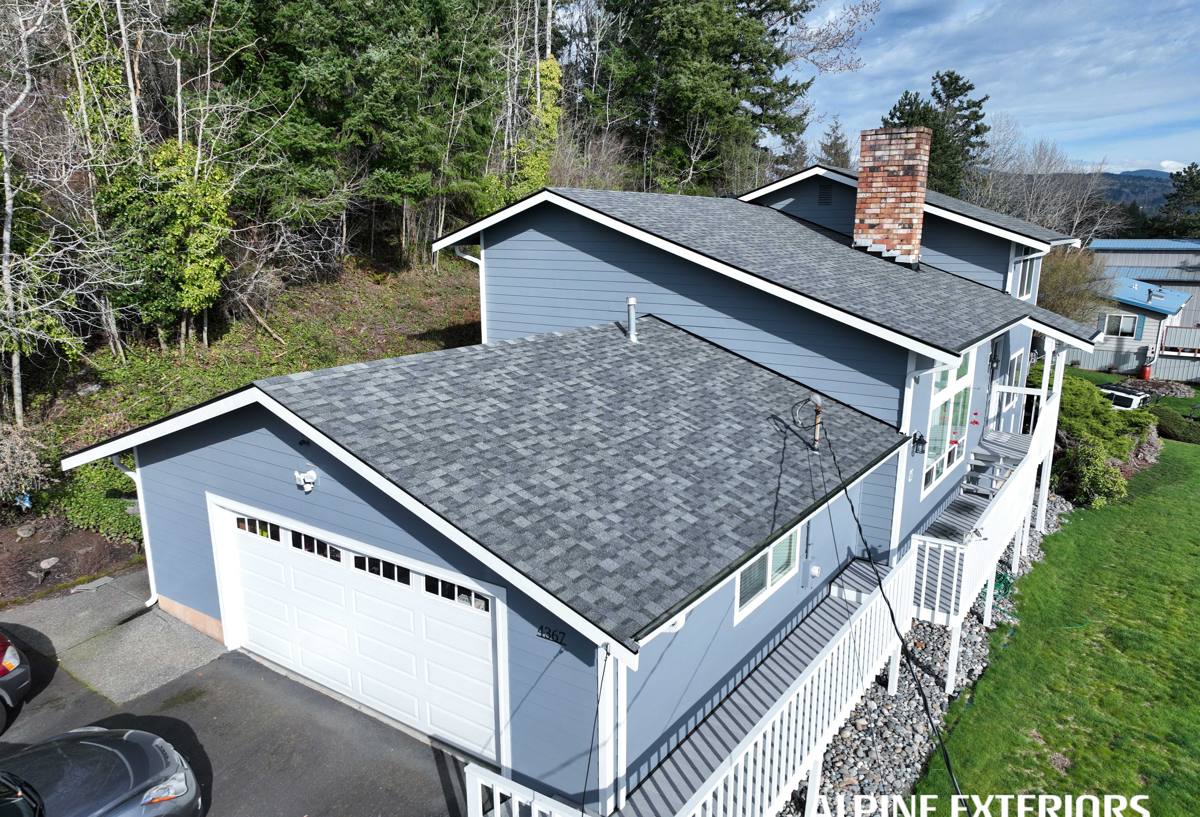
Why Delta Roofs Take a Different Kind of Beating
Salt Air and Metal Fasteners
Proximity to the water means airborne salt settles on roofing surfaces and, more importantly, on the metal components — flashing, drip edge, nail heads, and fasteners. Over time this accelerates corrosion, especially on lower-grade or exposed fasteners. A fastener that's rusted through is a fastener that's no longer holding a shingle down, which is exactly the weak point a storm finds first.
Driving Rain and Wind-Driven Water
A lot of roof damage in this area isn't from rain falling straight down — it's from wind pushing rain sideways and up under laps, flashing, and eaves. A roof that would shed water fine in a calm downpour can leak badly when the same rain arrives horizontally during a windstorm. Repairs that don't address wind-driven water — sealing laps, checking underlayment, confirming flashing laps in the right direction — tend to fail again in the next storm.
A Long Moss Season
Western Washington's mild, wet winters give moss and algae a long growing window on north-facing and shaded roof sections. Moss holds moisture against the roofing surface, works its way under shingle tabs, and can lift edges just enough for wind to grab during a storm. A roof with heavy moss buildup is more vulnerable to storm damage than a clean one, and moss removal is often part of doing a storm repair correctly rather than a separate cosmetic job.
What Storm Damage Actually Looks Like
Not all storm damage is obvious from the ground. Some of it hides until the next heavy rain finds the gap.
- Missing, cracked, or curled shingles, especially on roof edges and ridges where wind uplift is strongest
- Lifted or bent flashing around chimneys, vents, skylights, and where the roof meets a wall
- Granule loss showing up in gutters after a storm, a sign shingles are wearing thin
- Dented or creased metal roofing or gutters from wind-thrown debris
- Soft spots, staining, or water marks on interior ceilings following a storm
- Debris punctures from branches or wind-carried material
- Gutters pulled loose or sagging from wind load or water weight
If you notice any of these after a storm, it's worth having someone look at the roof before the next round of weather arrives. A small gap that goes unaddressed usually gets worse, not better, over a wet Everett winter.
What a Correct Repair Involves
Storm repair isn't just about replacing what's visibly missing. A repair done right addresses the underlying cause so the same spot doesn't fail again in the next system that comes through.
Inspection Before Repair
We start by inspecting the full roof, not just the area the homeowner flagged. Wind damage rarely stays in one tidy spot — if shingles lifted on one slope, it's common to find loosened tabs nearby that haven't blown off yet but will in the next storm. We also check flashing, vents, and any penetrations, since these are common leak points that get overlooked when the focus is only on missing shingles.
Matching Materials Correctly
When shingles or roofing sections need replacing, matching the existing material matters for both appearance and performance. Mismatched shingle profiles or incompatible metal roofing can create their own water paths. On older Delta homes, exact color matches aren't always possible if a shingle line has been discontinued — we'll tell you honestly what's achievable rather than promise a perfect match we can't deliver.
Addressing the Root Cause
If moss contributed to the damage, we address the moss and the conditions that let it grow — not just the shingle it lifted. If a fastener corroded and let a shingle work loose, we replace fasteners with something appropriate for a coastal-influenced environment, not just re-nail with whatever was already there. A repair that only replaces the missing piece without correcting the cause is a repair that's likely to reappear on our schedule in a year or two.
Our Process for Delta Storm Repairs
- Assessment. We walk the roof (or use a lift/ladder inspection where walking isn't safe) and document what the storm actually did, including anything not visible from the ground.
- Honest scope. We tell you what's a repair and what's pointing toward a larger issue — for example, storm damage on a roof that was already near the end of its service life may be more cost-effective to address as a full replacement rather than a patch.
- Written estimate. You get a clear breakdown of materials and labor before any work starts, with no surprise add-ons once the crew is on the roof.
- Repair work. We replace damaged materials, correct flashing and fastener issues where relevant, and clean up moss or debris that contributed to the failure.
- Final check. We verify the repair sheds water properly and matches the surrounding roofing before calling the job done.
Repair or Replace? Factors That Decide It
Not every storm-damaged roof needs full replacement, and not every damaged roof should just be patched. The right call depends on a few honest factors.
| Factor | Favors Repair | Favors Replacement |
|---|---|---|
| Roof age | Under two-thirds of expected lifespan | Near or past expected lifespan |
| Extent of damage | Localized to one section or slope | Spread across multiple slopes |
| Underlying condition | Decking and underlayment sound | Existing moisture damage or rot found |
| Moss/algae history | Minor, manageable buildup | Heavy, long-term moss damage to shingles |
| Prior repairs | First storm-related repair | Repeated patches in the same area |
We'll walk you through where your roof falls on this and let you make the call with real information, not a sales pitch toward the bigger job.
Insurance Claims and Documentation
Many storm repairs in this area involve a homeowner's insurance claim, especially after a significant windstorm event. We can document damage with photos and a written assessment that supports your claim, but the claim itself is between you and your insurer — we won't inflate a scope of work to chase a bigger payout, and we'll tell you plainly if damage looks more like normal wear than a storm-caused event. That honesty tends to matter more to homeowners in the long run than a bigger initial number.
Why a Crew That Already Works Delta Matters
A contractor who regularly works roofs in Everett and the surrounding Snohomish County area has already seen how salt air, wind patterns off the water, and moss season play out on real roofs here — not in a training manual, but on jobs down the street. That familiarity shows up in small decisions: which fastener holds up better in this air, which flashing details tend to fail first on local homes, when moss buildup is cosmetic versus a real risk factor. It also means faster response after a storm, since we're not driving in from across the county to look at a roof and driving back out for materials.
We're not going to claim we're the only crew that can do this work — plenty of contractors can nail on a shingle. What we can offer is a repair process built around what actually causes roofs to fail in this specific climate, done by people who show up, tell you the truth about what's needed, and stand behind the work.
After the Storm: A Quick Homeowner Checklist
- Check gutters and the ground around your home for shingle granules or roofing debris
- Look at ceilings for new stains or soft spots, especially after several days of rain following a storm
- Note any branches or debris that landed on the roof, even if nothing looks obviously damaged
- Photograph visible damage from the ground if it's safe to do so — don't climb onto the roof yourself
- Avoid DIY tarping on a steep or wet roof; call for an inspection instead
- Get an inspection before the next storm system arrives, not after a second leak shows up
If a recent storm left your Delta-area roof with missing shingles, loose flashing, or a leak you can't quite place, we're glad to take a look. We offer free, no-pressure estimates — use the form below and we'll get back to you with an honest assessment of what your roof actually needs.