 Everett
 Why Siding Choice Matters More in Delta Than It Does Inland
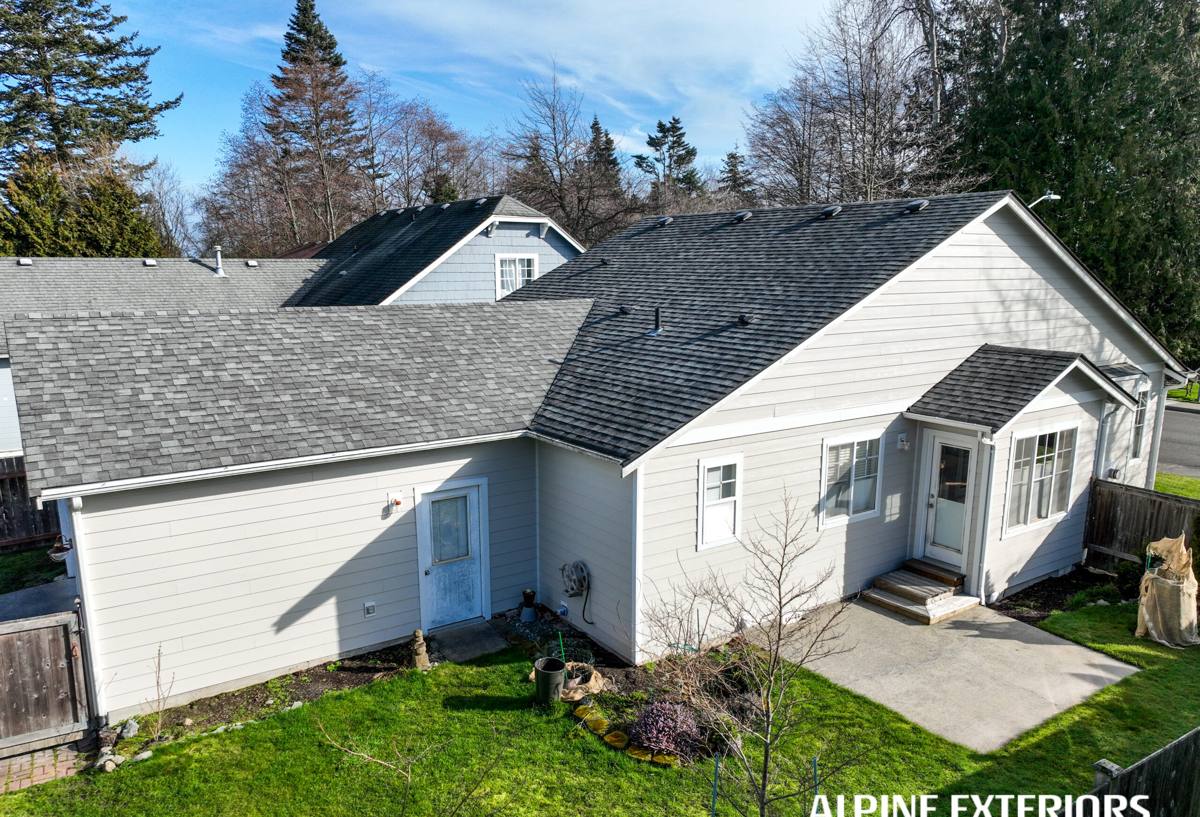
Delta sits close enough to Puget Sound and the Snohomish River system that homes here take on a different kind of weather load than a house twenty miles east. The combination of salt-tinged marine air, wind-driven rain off the water, and a moss season that can stretch from October into May puts steady pressure on exterior materials. Siding in this pocket of Everett doesn't just need to look good — it needs to shed water fast, resist organic growth, and hold up to airborne salt without corroding its own fasteners. That's a different design problem than siding a home in a dry inland climate, and it's why we treat every Delta project as a climate job first and a cosmetic job second.
What the Local Climate Actually Does to Siding Over Time
Salt Air and Metal Fatigue
Homes within a few miles of Puget Sound take in trace salt in the air, especially during windy weather off the water. Over years, that salt accelerates corrosion on unprotected fasteners, trim flashing, and any siding product that relies heavily on exposed metal components. It's a slow process, but it's constant, and it's one of the reasons fastener choice and flashing detail matter as much as the siding panel itself.
Driving Rain and Wind-Loaded Water
Snohomish County storms rarely come straight down. Wind pushes rain sideways into wall assemblies, forcing water into laps, seams, and butt joints that a calmer climate would never stress-test. Siding that isn't installed with the right clearances and overlaps will eventually let that water behind the cladding, where it causes rot long before anyone sees a stain on the surface.
The Long Moss and Mildew Season
Shaded exposures, especially north- and west-facing walls under mature trees, stay damp for months at a time in this climate. That dampness is exactly what moss, algae, and mildew need to establish. Porous or absorptive siding materials hold moisture at the surface and give organic growth a foothold; dense, factory-finished materials resist it far better.
Why Fiber Cement Is the Right Material for This Climate
Fiber cement is a cement, sand, and cellulose fiber composite — it doesn't absorb and release moisture the way wood-based products do, it won't rot, and it doesn't feed insects. For a Delta home dealing with salt air, sideways rain, and a long wet season, that combination matters more than color or texture options. We install James Hardie fiber cement exclusively, for reasons specific to how this climate treats a home over decades, not just how a product looks on install day.
Why We Don't Install Vinyl, LP SmartSide, or Other Fiber Cement Brands
We get asked this often enough that it's worth being direct about it. Vinyl siding is inexpensive and low-maintenance, but it's a thin plastic product that can warp in sustained heat, crack in cold snaps, and it relies on lap joints and J-channel that are more forgiving of installation shortcuts — which means more of the water-management burden falls on perfect workmanship rather than the material itself. Engineered wood products like LP SmartSide use a wood-strand core with a resin-saturated overlay; it's a genuinely improved product over old wood siding, but it's still wood-based, meaning any breach in the surface coating exposes it to swelling and eventual decay — a real risk in a climate with this much sustained moisture. Other fiber cement brands, like Allura or Cemplank, are legitimate cement-composite products, but we've standardized on one manufacturer, one factory finish system, and one warranty structure so we can install to a single, consistent spec and stand behind it fully. That's a business decision about quality control, not a claim that competitors' products are defective.
Fiber Cement Compared to the Alternatives
| Material | Moisture Behavior | Salt Air Durability | Maintenance in This Climate |
|---|---|---|---|
| James Hardie fiber cement | Does not absorb or swell; dimensionally stable | Cement-based, unaffected by salt corrosion | Periodic rinsing; factory finish resists moss/mildew |
| Vinyl siding | Won't rot but can warp/gap, letting water behind panels | Plastic itself is fine; trim fasteners can corrode | Low, but hidden water damage can go unnoticed |
| LP SmartSide / engineered wood | Wood-strand core; vulnerable if coating is breached | Coating can wear faster in salt-laden wind | Requires prompt repair of any surface damage |
| Primed spruce / cedar | Absorbs moisture readily; prone to swelling and rot | No inherent resistance | Repainting and moisture inspection every few years |
What a Correct Fiber Cement Installation Involves
The siding panel is only part of the system. In a climate like Snohomish County's, the details behind and around the panel decide whether a job lasts fifteen years or fifty.
Moisture Barrier and Drainage Plane
Every correct installation starts with a weather-resistant barrier and, on most Delta homes, a drainage gap behind the siding so any water that does get past the cladding has somewhere to go besides the sheathing. This matters more here than in drier regions because the assembly spends more days per year wet than dry.
Flashing and Clearances
Windows, doors, and roof-to-wall intersections need properly lapped flashing, and siding needs correct clearance from rooflines, decks, and grade. These are the spots wind-driven rain finds first, and they're the spots that get skipped when a crew is moving fast.
Fastening to Manufacturer Spec
James Hardie specifies fastener type, placement, and spacing for a reason — get it wrong and you either void the warranty or create the exact stress points that salt-air corrosion and wind uplift will exploit over time. We fasten to spec, every time, not to a shortcut pattern.
Caulking and Joint Treatment
Butt joints and trim seams get treated correctly the first time. In a climate this wet, a joint that was caulked wrong doesn't fail gradually — it fails the first hard storm and then quietly leaks for months before anyone notices.
Our Process for Delta Homeowners
- On-site assessment — we look at wall exposures, shaded/damp areas prone to moss, existing moisture damage, and trim condition before quoting anything.
- Product and color selection — walking through James Hardie's HZ product lines and ColorPlus factory finish options suited to the home's exposure.
- Tear-off and sheathing check — removing old siding gives us a direct look at sheathing condition, which matters on any home that's been through repeated wet seasons.
- Weather barrier and drainage plane installation — set up correctly before a single siding panel goes up.
- Fiber cement installation to manufacturer spec — proper fastening, clearances, and flashing at every penetration.
- Final inspection and cleanup — a walkthrough before we call the job done.
Cost Factors for a Fiber Cement Project in This Area
Every home is different, but the line items that move the price on a Delta project are fairly consistent:
| Factor | Why It Affects Cost |
|---|---|
| Existing sheathing condition | Moisture-damaged sheathing found during tear-off requires repair before new siding goes on |
| Home size and wall complexity | More corners, dormers, and trim details mean more labor and cut waste |
| Siding profile (lap, panel, shingle-style) | Different HardiePlank and HardiePanel profiles carry different material and labor costs |
| Trim and accessory scope | Fascia, soffit, and trim replacement alongside siding adds to the project total |
| Access and site conditions | Tight lots, slopes, or landscaping near the home can add setup and staging time |
We give homeowners a written, itemized quote after the on-site assessment rather than a ballpark over the phone — the sheathing condition alone can change the scope significantly once old siding comes off.
Maintaining Fiber Cement Siding in a Wet, Salt-Air Climate
James Hardie siding is low-maintenance compared to wood, but "low-maintenance" doesn't mean "no maintenance" in a climate this wet. A little seasonal attention keeps it performing for decades.
- Rinse siding once or twice a year to clear salt residue, pollen, and organic buildup, especially on shaded or north-facing walls
- Check caulked joints around windows, doors, and trim annually for cracking or gaps
- Trim back vegetation and tree cover that keeps a wall surface shaded and damp longer than necessary
- Watch for moss or algae starting at ground-level splash zones and gutters, and address it before it spreads
- Keep gutters and downspouts clear so roof runoff isn't dumping extra water directly onto siding and trim
- Have flashing and caulking inspected every few years, particularly after a harder-than-usual storm season
Why It Matters That We Already Work in This Area
A crew that installs siding across a wide range of climates treats every job the same way. A crew that works Snohomish County regularly knows which walls in this area tend to stay damp longest, where moss actually shows up first, and how much clearance and drainage detail a home near the Sound really needs versus what the manufacturer's minimum spec allows. That local pattern recognition doesn't replace following the installation manual — it's what tells us where to be extra careful within it.
If you're weighing a siding replacement or repair on a Delta home, we're happy to take a look and walk you through what your specific walls and exposures need. Reach out for a free, no-pressure estimate — the request form below gets it started.