 Everett
 Composite Decking for Glenhaven, Everett
Glenhaven sits close enough to Puget Sound that salt-tinged air, wind-driven rain, and a long stretch of gray, damp months are just part of owning a home here. A deck in this neighborhood doesn't get a break for half the year — it sits under wet trees, catches runoff, and stays shaded and damp longer than a deck in a drier climate ever would. Composite decking has become the practical choice for a lot of Glenhaven homeowners because it's built to handle exactly those conditions without the yearly upkeep a wood deck demands.
This page focuses specifically on composite decking installation and replacement for Glenhaven homes — what the climate here does to a deck, what a correctly built composite deck actually involves, and how we approach the job when we already know the neighborhood.
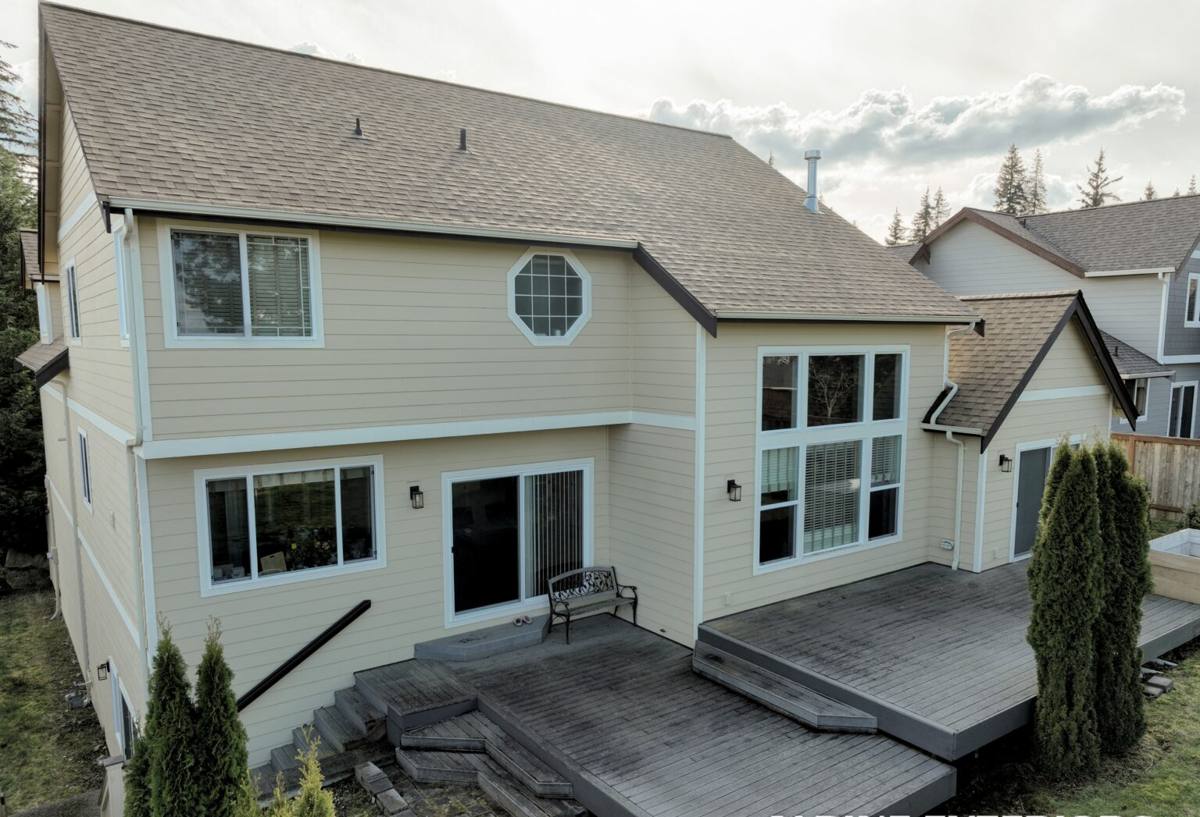
What Everett's Climate Does to an Outdoor Deck
Three things wear on decks in this part of Snohomish County more than almost anywhere else: salt air, driving rain, and moss.
- Salt air from the Sound corrodes exposed metal fasteners, screws, and hardware over time, especially on decks that face west or sit more exposed to marine wind.
- Driving rain doesn't just fall straight down here — wind pushes it sideways into joints, under railings, and against end grain, which is where wood decking almost always fails first.
- A long moss season means anything that stays shaded and damp for months at a time — which describes most Everett backyards from fall through spring — will grow moss and algae unless the surface and the airflow underneath are working against it.
None of this is unique to Glenhaven, but it's more constant here than in drier parts of the state, which is why the materials and details that work fine elsewhere sometimes fall short on a deck that never fully dries out.
Composite vs. Wood Decking in This Climate
Wood decking can absolutely work in Everett, but it asks a lot of a homeowner — regular sealing, sanding, and vigilance against rot at the fastener holes and board ends. Composite shifts that burden onto the material itself.
| Factor | Wood Decking | Composite Decking |
|---|---|---|
| Moisture absorption | Absorbs water, swells and shrinks seasonally | Doesn't absorb water the way wood does; dimensionally stable |
| Moss and algae growth | Grows readily on damp, shaded wood surfaces | Capped composite resists surface growth better; still needs periodic cleaning |
| Maintenance | Annual sealing/staining recommended | Occasional washing; no sealing or staining |
| Fastener corrosion | Exposed screws can rust and stain over time | Hidden fastener systems reduce exposed metal |
| Upfront cost | Generally lower | Generally higher |
| Lifespan with upkeep | Shorter without consistent maintenance | Longer with minimal upkeep, per manufacturer warranties |
We still install wood decking when a homeowner wants that specific look or budget, but we're honest about the trade-off: wood in this climate needs a maintenance routine composite simply doesn't require.
What a Correct Composite Deck Installation Involves
Composite boards are forgiving compared to wood, but the structure underneath and the details around the edges are what actually determine whether the deck holds up to Everett's weather. A composite deck is only as good as what's built underneath it.
Substructure and Drainage
Pressure-treated joists and beams still need to be sized and spaced correctly, flashed properly where the deck meets the house, and sloped slightly away from the structure so water doesn't pool. Ledger board flashing is one of the most common failure points on older decks in wet climates — it's also one of the easiest things to get right the first time and one of the most expensive to fix after the fact.
Fasteners and Board Layout
Hidden fastener clip systems are worth using in this climate — they avoid the exposed screw heads that corrode and streak with rust from salt air over the years, and they let boards expand and contract without splitting. Board layout should also account for drainage gaps and airflow underneath, which matters directly for moss control.
Rail and Edge Details
Picture-frame edges, fascia boards, and stair stringers are where water tends to collect if they're not detailed with the same care as the field of the deck. A deck that looks finished but wasn't detailed at the edges is usually the one that shows problems first.
Choosing the Right Composite Board for Glenhaven Conditions
Capped vs. Uncapped Composite
Capped composite boards have a protective outer shell wrapped around a composite core, which handles moisture and staining better than older uncapped composite products. For a deck that's going to sit under tree cover or catch salt-laden wind for years, we generally steer homeowners toward capped products because the exposed surface is what actually fights moss, mildew, and fading.
Color, Heat, and Fading
Darker composite boards absorb more heat and can show fading from UV exposure faster than lighter tones, even in a climate with as much cloud cover as ours. Lighter and mid-tone colors tend to hide pollen, dust, and light surface grime better between cleanings, which is a practical consideration more than an aesthetic one here.
Texture and Grain for Moss Resistance
Deeply grooved, low-sheen wood-grain textures can trap moisture and organic debris slightly more than smoother, more finely textured boards. It's a minor factor compared to drainage and airflow, but it's worth weighing if moss has been a recurring problem on a previous deck at the same property.
Our Installation Process
- On-site visit to assess the existing structure (or the build site), drainage, sun/shade exposure, and how the deck will be used.
- Review of composite board options, colors, and railing systems suited to the site's exposure to wind, rain, and shade.
- A clear, written estimate covering substructure work, decking material, hardware, and railings — no vague allowances.
- Permitting where required by the city or county for the scope of work.
- Demolition of the old deck (if applicable) and inspection of ledger, framing, and posts before anything new goes up.
- Framing and flashing work, built to drain correctly before a single composite board is installed.
- Composite board installation with hidden fasteners, followed by railing, stairs, and edge detailing.
- Final walkthrough so you know how to clean and maintain the deck going forward.
Keeping a Composite Deck Clean Through Moss Season
Composite decking resists moss far better than bare wood, but "low maintenance" doesn't mean "no maintenance" in a climate that stays damp and shaded for months at a stretch. A few habits go a long way:
- Sweep leaves and debris off the deck regularly in fall — trapped organic matter is what feeds moss and algae growth.
- Rinse the deck with a garden hose every few weeks during the wettest months to keep pollen and grime from building up.
- Use a soft-bristle brush and a mild soap-and-water solution for general cleaning — avoid pressure washing directly into board grooves at close range.
- Keep gutters and downspouts near the deck clear so runoff isn't dumping directly onto the surface or substructure.
- Trim back overhanging branches where practical to reduce shade and speed up drying time after rain.
- Check railings and fastener points once or twice a year for any early signs of corrosion or movement.
Local Factors That Affect Cost
Every deck project is different, but a few factors consistently move the price for composite decking work in this area:
| Factor | Why It Matters Here |
|---|---|
| Deck size and shape | More linear feet of edging, framing, and cuts adds labor beyond just square footage |
| Height and access | Elevated decks need more substructure, railings, and sometimes stairs or landings |
| Existing structure condition | Rot or flashing failure found during demolition can add framing repair costs |
| Board and railing selection | Capped composite and metal or glass railing systems cost more than base-grade options |
| Site exposure | Decks facing prevailing wind and rain may warrant upgraded flashing and fastener details |
| Permitting requirements | Structural changes or elevated decks may require permits, adding time and fees |
We'll walk through these factors during the estimate so you know what's driving the number, not just what the final total is.
Why Hiring a Crew That Already Works Glenhaven Matters
A contractor who's already worked in Glenhaven and the surrounding Everett area knows how the local drainage patterns, tree cover, and marine exposure actually play out on a deck — not just in theory, but from having built and repaired decks in these exact conditions. That matters when it comes to flashing details, fastener choices, and where moss tends to show up first on a shaded lot near the water. It also means straightforward, realistic timelines that account for Snohomish County's wetter stretches of the year, rather than a schedule built for a drier climate.
If you're planning a new composite deck or replacing an aging wood one in Glenhaven, we're glad to come take a look and talk through what your specific property needs. Reach out for a free, no-pressure estimate — there's a form right below to get started.