 Everett
 Window Replacement Built for Glenhaven's Weather, Not a National Catalog
Glenhaven sits close enough to the water and open enough to weather that its homes take a different kind of beating than houses ten miles inland. Salt-laden air off the Sound works into hardware and finishes, driving rain finds every gap in old flashing, and the long gray stretch of moss season keeps siding and window trim damp for months at a time. A window that's rated fine for a showroom in a dry climate can still fail early here if it's not installed with this specific exposure in mind. That's the difference between a generic window replacement job and one done right for a Glenhaven address.
This page covers what window replacement actually looks like for homes in this part of Everett — what the climate does to windows over time, how to tell yours are due, what a correct installation involves, and why a crew that already works this neighborhood catches problems a crew from out of the area might miss.
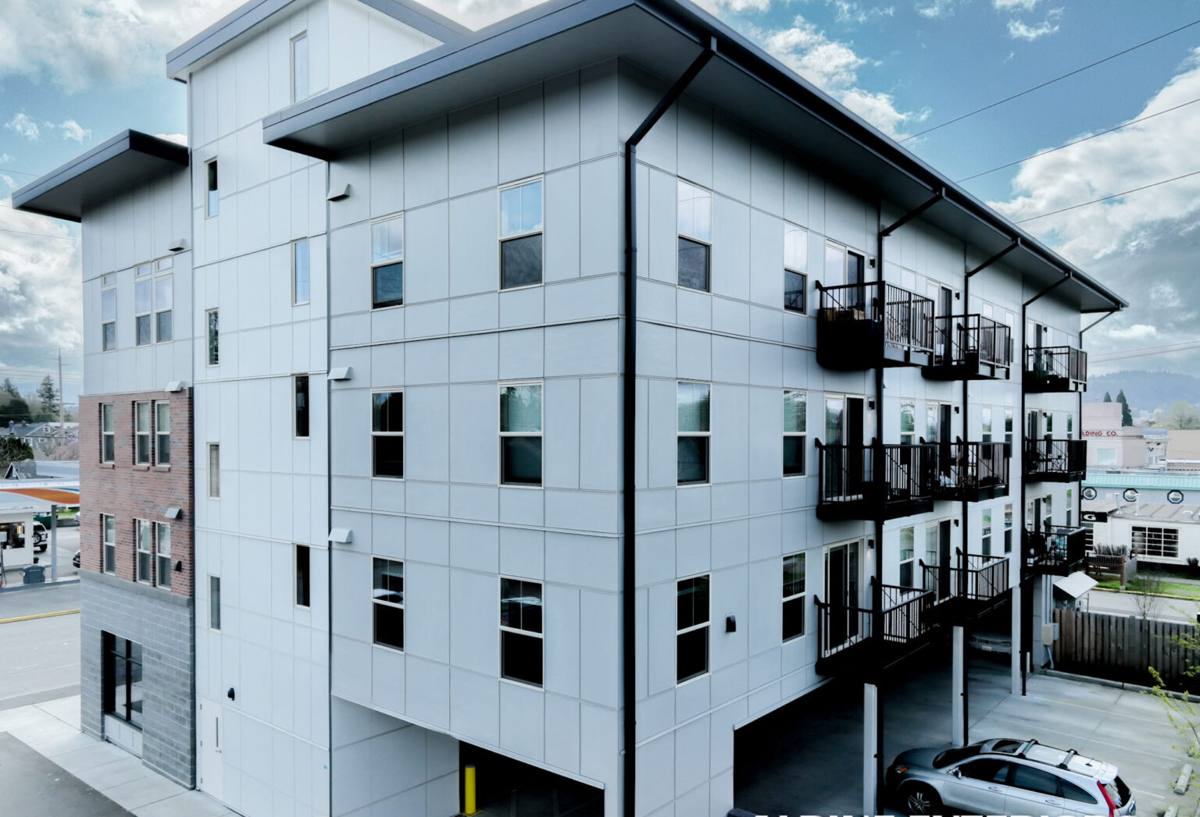
What Everett's Climate Does to Older Windows
Snohomish County's marine climate is mild compared to a lot of the country, but mild doesn't mean gentle. Three things do most of the damage to window systems over time in Glenhaven specifically:
Salt Air and Metal Fatigue
Proximity to Puget Sound means a steady low-level dose of salt in the air, even well away from the immediate shoreline. Salt accelerates corrosion on aluminum window frames, steel reinforcement inside vinyl frames, and hardware like hinges, locks, and balance mechanisms. A window that looks fine from the curb can have hardware that's seized up or corroding from the inside out.
Driving Rain and Wind-Driven Moisture
Rain here doesn't just fall — storms off the water push it sideways against west- and southwest-facing walls. That wind-driven rain finds any weakness in the flashing, sealant, or window-to-wall transition and works it wider over time. Most of the rot and interior water damage we find during window replacement traces back to a flashing detail that failed years earlier, not the glass or sash itself.
Moss Season and Sustained Dampness
The long moss season means wood trim, sills, and the wall assembly around a window stay damp for extended stretches rather than drying quickly between rain events. That sustained moisture is what actually causes rot — a quick soak and dry cycle rarely does the damage that weeks of low-grade dampness will.
Signs a Glenhaven Home's Windows Are Due for Replacement
Some of these are obvious, some aren't. Homeowners in this neighborhood tend to notice the visible ones and miss the ones hiding inside the wall.
- Visible fogging or a permanent haze between panes of double-pane glass — the seal has failed and the gas fill is gone
- Windows that are hard to open, close, or lock, or that no longer sit flush in the frame
- Soft, spongy, or discolored wood on the sill, jamb, or exterior trim
- A persistent musty smell near a window that doesn't go away with cleaning
- Visible daylight or a noticeable draft at the frame edge when it's windy
- Condensation forming regularly on the interior glass or frame during colder months
- Paint that keeps bubbling or peeling at the same spot near a window no matter how often it's repainted
- A noticeable jump in heating costs with no other explanation
Any one of these on its own might just mean a repair. Two or three together, especially soft wood plus condensation or a musty smell, usually means moisture has already gotten into the wall assembly and full replacement — including proper flashing repair — is the honest recommendation.
Choosing the Right Window Material for This Climate
There's no single "best" window material — the right choice depends on the home's exposure, budget, and how much maintenance the owner wants to take on. For Glenhaven's combination of salt air and sustained moisture, here's how the common options actually compare.
| Material | How It Handles Salt Air | How It Handles Moisture | Maintenance |
|---|---|---|---|
| Vinyl | Doesn't corrode; welded corners resist salt intrusion well | Won't rot; performs consistently through moss season | Low — occasional cleaning |
| Fiberglass | Very stable, minimal expansion/contraction, holds finishes well near salt air | Excellent — dimensionally stable when damp | Low to moderate |
| Aluminum | More prone to corrosion and pitting near the Sound without a quality finish | Conducts cold, can promote interior condensation | Moderate — finish needs monitoring |
| Wood / Wood-Clad | Cladding protects the exterior face, but any breach exposes wood to salt-driven decay | Highest risk if flashing or seals fail; needs a sound moisture barrier | Higher — periodic finish and seal checks |
We don't push one brand or material on every job. We'll tell you honestly which option fits the exposure on that particular wall of that particular house, and where a lower-maintenance material is worth the trade-off in upfront cost.
What a Correct Installation Actually Involves
The window unit itself is often the easy part. Most of the failures we get called out to fix started with the installation details around the window, not the window.
Proper Flashing and Water Management
Every opening needs flashing that directs water down and out — never inward toward the framing. In a driving-rain climate, this detail matters more here than in drier regions, and it's the single most common thing done wrong in older or rushed installations.
Accurate Sizing and Air-Sealing
A window that's too loose in its opening gets packed with excess sealant or shims that fail over time. A properly sized opening with continuous, correctly applied sealant and backer rod holds up through decades of wind and rain cycling, not just the first few winters.
Interior and Exterior Sealant Continuity
Sealant has to form a continuous line with no gaps, and it has to be compatible with the siding and trim material it's meeting. A mismatch here — or a gap left "for now" — is exactly what lets moss-season dampness start working into the wall.
Checking What's Behind the Old Window
Before a new window goes in, we check the sill, jamb, and surrounding sheathing for rot or moisture damage. Installing a new window over a compromised opening just hides the problem behind new trim — it doesn't fix it.
Our Process From Estimate to Cleanup
The process is straightforward, and we keep it that way on purpose:
- On-site assessment of each window opening, including the condition of the sill, jamb, and flashing — not just the glass
- A written recommendation and honest cost range, with material options explained in plain terms
- Scheduling that accounts for weather — we don't open up exterior wall assemblies during an active rain stretch if it can be avoided
- Removal of the old unit and inspection of the framing before anything new goes in
- Repair of any rot or flashing issues found, documented and explained before proceeding
- Installation with proper flashing, sealing, and finish work inside and out
- A final walk-through so you can see and test every window before we consider the job done
Why Hiring a Crew That Already Works Glenhaven Matters
A crew that regularly works this neighborhood already knows which wall orientations take the worst of the driving rain, how moss buildup tends to hold moisture against certain trim details, and which older construction styles common in this part of Everett are more prone to hidden flashing problems. That's not something you can fully substitute with a generic install checklist. It means fewer surprises once a wall is opened up, and a more accurate estimate from the start because we've seen the same conditions on other Glenhaven homes before.
It also means accountability. A local, established crew has a reputation in Snohomish County to protect and is easy to reach if a question comes up on a window a year or two after installation — not a name from an out-of-area outfit that's moved on to the next region.
What Affects the Cost of Window Replacement Here
Costs vary widely based on a handful of factors, and we'd rather explain them than quote a number that doesn't mean anything without context:
- Window material and glass package (standard double-pane versus higher-performance glass)
- Number of windows and whether it's a full-home replacement or select units
- Condition of the existing framing, sill, and flashing — hidden rot repair adds cost but isn't optional
- Window size and style, including custom shapes or larger openings
- Access and site conditions, including height and any staging required
We'll walk through each of these during the estimate so you know exactly what's driving the number, not just the bottom line.
Keeping New Windows Performing Through Moss Season
New windows still need a small amount of upkeep to get their full lifespan out of them in this climate. Keep weep holes and drainage channels clear of moss and debris, especially after the wetter months. Check exterior sealant lines once a year for any separation, particularly on walls that catch the most wind-driven rain. Wipe down hardware occasionally if you're close enough to the Sound to notice salt residue building up. None of this is heavy maintenance — it's the same kind of periodic check that keeps any exterior system on a Snohomish County home performing the way it should.
If your Glenhaven home's windows are showing any of the signs above, or you're just planning ahead before the next moss season sets in, we're happy to take a look and give you a straightforward, no-pressure estimate — no guesswork, no upsell, just an honest read on what your windows need.