 Everett
 Eastmont Sits Right in the Path of Puget Sound Weather
Eastmont is a residential pocket of the greater Everett area, and like the rest of Snohomish County it sits close enough to Puget Sound to catch salt-laden air off the water, far enough into the Pacific Northwest rain belt to see months of steady drizzle, and shaded enough by mature trees and cloud cover to grow moss on anything that stays damp too long. Siding here doesn't just need to look good on install day — it needs to hold up through decades of that combination. That's the whole reason we only install James Hardie fiber cement siding, and it's why we're writing this page specifically for Eastmont rather than posting the same generic siding article every contractor runs.
This page covers one thing: James Hardie siding, done correctly, on Eastmont homes. Not vinyl, not LP SmartSide, not cedar — just what a proper Hardie installation looks like when the climate you're building for is this one.
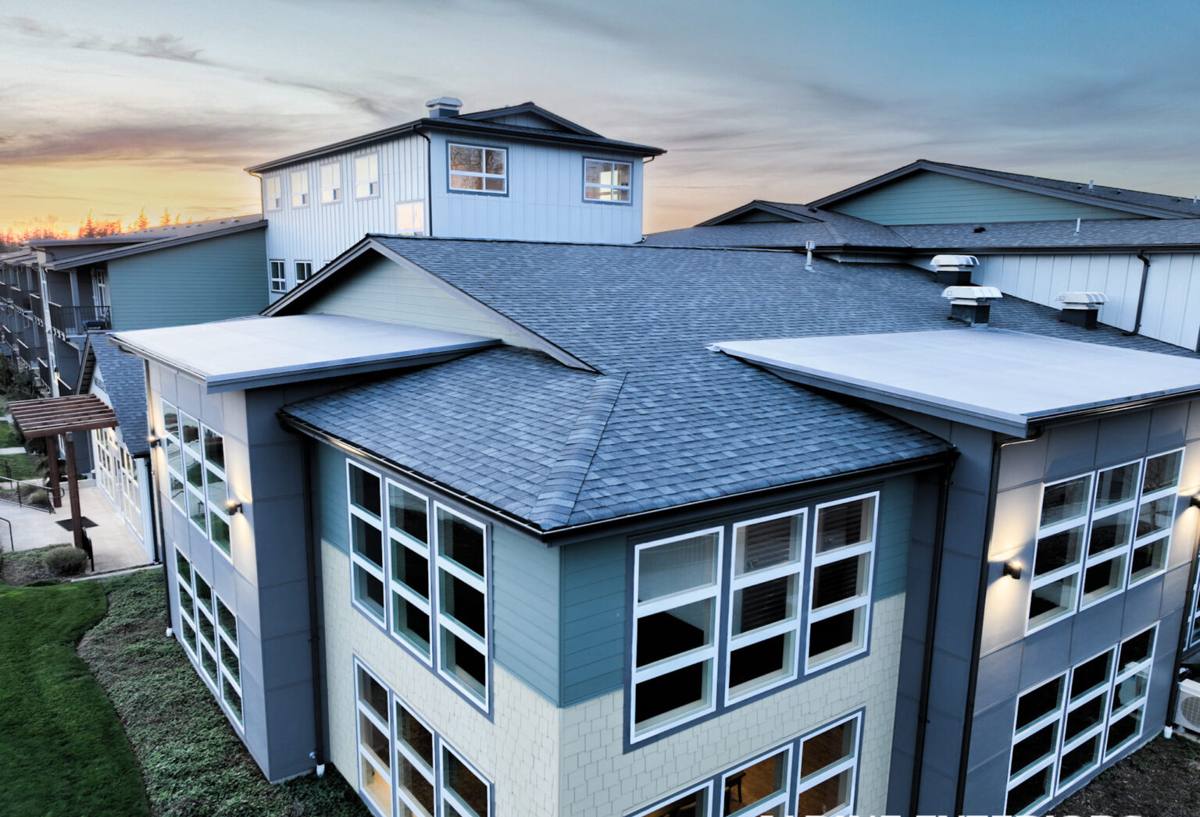
What Salt Air, Driving Rain, and Moss Actually Do to Siding
Salt Air
Salt-laden moisture in the air accelerates corrosion on fasteners, flashing, and any exposed metal trim. On siding materials that rely on paint film alone for protection, salt exposure also speeds up finish breakdown — chalking, fading, and eventually cracking that lets water behind the material.
Driving Rain
Everett's weather doesn't just rain straight down — wind off the Sound regularly drives rain sideways into wall assemblies. That means every lap, joint, and penetration in the siding system has to be detailed to shed water outward, not just sit there and hope gravity does the work. A siding product that swells, wicks, or delaminates when it takes on moisture is a poor match for this kind of exposure.
Moss and Sustained Dampness
Shade, humidity, and long stretches without a real drying period give moss and algae plenty of opportunity to take hold on north-facing and tree-shaded walls. Moss itself isn't usually what destroys siding — it's what moss holds against the surface for months at a time. Any material that's sensitive to sustained moisture contact is going to show it first in exactly those shaded, mossy spots.
Why James Hardie's HZ Product Line Fits This Climate
James Hardie engineers its HZ (HardieZone) products for specific climate zones, and the Pacific Northwest falls into HZ5 — the zone built around wet, moderate-temperature conditions rather than desert heat or deep freeze. Practically, that means:
- Fiber cement doesn't rot, swell, or delaminate from moisture exposure the way wood-based products can.
- It's non-combustible, which matters as wildfire smoke and dry-season fire risk have become a bigger part of Western Washington summers.
- ColorPlus factory finish is baked on in a controlled setting, which holds up to UV and salt air better than field-applied paint over the long run.
- It doesn't feed moss and mildew growth as a food source the way some wood-fiber products can when the surface coating gets compromised.
None of that means Hardie is maintenance-free forever, or that installation quality doesn't matter — it absolutely does. It means the base material is suited to the punishment this specific climate hands out, so the long-term performance of the job comes down almost entirely to how it's installed.
What a Correct Installation Involves Here
Most siding failures we get called out to inspect in this area aren't material failures — they're installation shortcuts that let water get behind the siding and stay there. In a climate with this much driving rain and sustained dampness, a few details matter more than they would in a drier region:
Rainscreen Gap
James Hardie's best practice includes a drainage gap between the siding and the water-resistive barrier, especially in high-exposure climates like ours. That gap lets any moisture that does get past the siding drain and dry instead of sitting against the sheathing.
Flashing at Every Penetration
Windows, doors, hose bibs, light fixtures, vents — every penetration through the siding is a spot water can find its way in. Correct step flashing, head flashing, and kick-out flashing at rooflines are non-negotiable, not optional upgrades.
Fastener Placement and Type
Hardie specifies fastener type, spacing, and setback from panel edges for a reason — get it wrong and you get cracking, corrosion streaking, or panels that work loose over time in wind-driven rain.
Caulking and Gaps
Manufacturer guidelines call for specific gaps at butt joints and trim, sealed with the right sealant — not just caulked solid everywhere, which can actually trap moisture instead of letting it escape.
Field-Cut Edge Sealing
Any cut edge of a Hardie panel needs to be primed or sealed before it goes up. Skipping this is invisible on install day and shows up as premature edge deterioration years later — usually first on the shaded, moss-prone sides of the house.
Our Process on an Eastmont Job
- Walk the exterior with you — we look at drainage patterns, tree shading, existing moisture damage, and which walls take the worst weather exposure before we talk product or price.
- Check what's underneath — old siding often hides rot, compromised sheathing, or a water-resistive barrier that needs replacing. We flag it before we cover it back up, not after.
- Install to Hardie's fastening and clearance specs — including the rainscreen gap and flashing details above, not a stripped-down version of them.
- Detail every penetration and trim transition — this is where most long-term problems start, so it's where we spend the most care.
- Final walkthrough — we go over what was done, what to expect from the finish over time, and basic upkeep before we consider the job finished.
Hardie vs. Other Siding Options in This Climate
| Factor | James Hardie Fiber Cement | Vinyl | Wood / Cedar |
|---|---|---|---|
| Moisture/rot resistance | Does not rot; unaffected by sustained dampness | Doesn't rot itself, but seams and gaps allow water intrusion behind panels | Vulnerable to rot and moss-related decay without diligent upkeep |
| Salt air performance | Factory finish holds up well to UV and salt exposure | Can become brittle and discolored faster near salt air | Finish breaks down faster; needs more frequent refinishing |
| Fire resistance | Non-combustible | Combustible, can melt/warp near heat sources | Combustible |
| Maintenance | Periodic washing; repaint only after many years, if ever | Low maintenance but limited repair options when damaged | Regular painting/staining and moisture inspection required |
| Typical lifespan when installed correctly | Multiple decades with proper install and upkeep | Decades, but earlier fading/warping in harsh exposure | Shorter without consistent, costly maintenance |
We don't install vinyl or wood siding, so we're not going to pretend they're unusable — plenty of homes wear them fine. But given what this specific climate does to a wall over 20-plus years, fiber cement installed correctly is the option we're willing to put our name behind.
Homeowner Maintenance Checklist
Even the right material needs some basic upkeep. For Eastmont homes specifically, we tell owners to keep an eye on:
- Rinse siding annually, and more often on shaded or tree-covered walls where moss and algae build up fastest.
- Keep gutters clear so overflow doesn't run directly down a wall section repeatedly.
- Trim back vegetation and tree limbs that keep a wall section shaded and damp longer than the rest of the house.
- Watch caulked joints and trim seams for cracking or separation, and have them resealed before a small gap becomes a water path.
- Have any visible moss growth removed gently — pressure washing directly into siding can force water behind panels, so a soft wash approach is safer.
- Walk the exterior after major windstorms to check for loose panels, damaged flashing, or debris impact.
Why a Crew That Already Works Eastmont Matters
Siding installation guidelines exist on paper, but applying them correctly depends on knowing how a specific climate actually behaves on the ground — which walls in Snohomish County take the worst wind-driven rain, how much of a rainscreen gap actually matters given local humidity, where moss shows up first on a shaded elevation, and how salt air exposure differs a few miles inland versus closer to the water. A crew that's already worked jobs in and around Eastmont and greater Everett has seen those patterns repeat house after house — that's not something a general handyman crew unfamiliar with the area, or an out-of-region company passing through, tends to have dialed in the first time.
It also means we're around after the install. If a question comes up two years down the road about a caulk line or a shaded wall that's growing moss faster than the rest of the house, we're a local call, not a number that goes to a different region.
Getting Started
If you're planning a siding project in Eastmont or elsewhere around Everett, we're happy to walk your property, look at what your specific exposure and shading actually demand, and give you a straightforward estimate — no pressure, no inflated scare tactics about your current siding. Use the form below to request a free estimate.