 Everett
 Board & Batten Siding in Lake Stevens: A Style That Has to Work as Hard as It Looks
Board and batten has become one of the most requested looks for homes around Lake Stevens — the strong vertical lines read as modern farmhouse on a new build and as a clean, tailored upgrade on an older ranch or two-story. But board and batten is not just a style choice. The way it's built, flashed, and fastened determines whether it looks sharp for twenty-five years or turns into a moisture and maintenance headache within five. In a lake-adjacent Snohomish County climate that mixes salt-tinged air, driving wind-blown rain, and a long moss season, those construction details matter more than they would somewhere drier.
This page covers what board and batten siding actually needs to perform well on a Lake Stevens home, what correct installation looks like, and why we install it exclusively in James Hardie fiber cement rather than vinyl, LP SmartSide, or cedar board and batten.
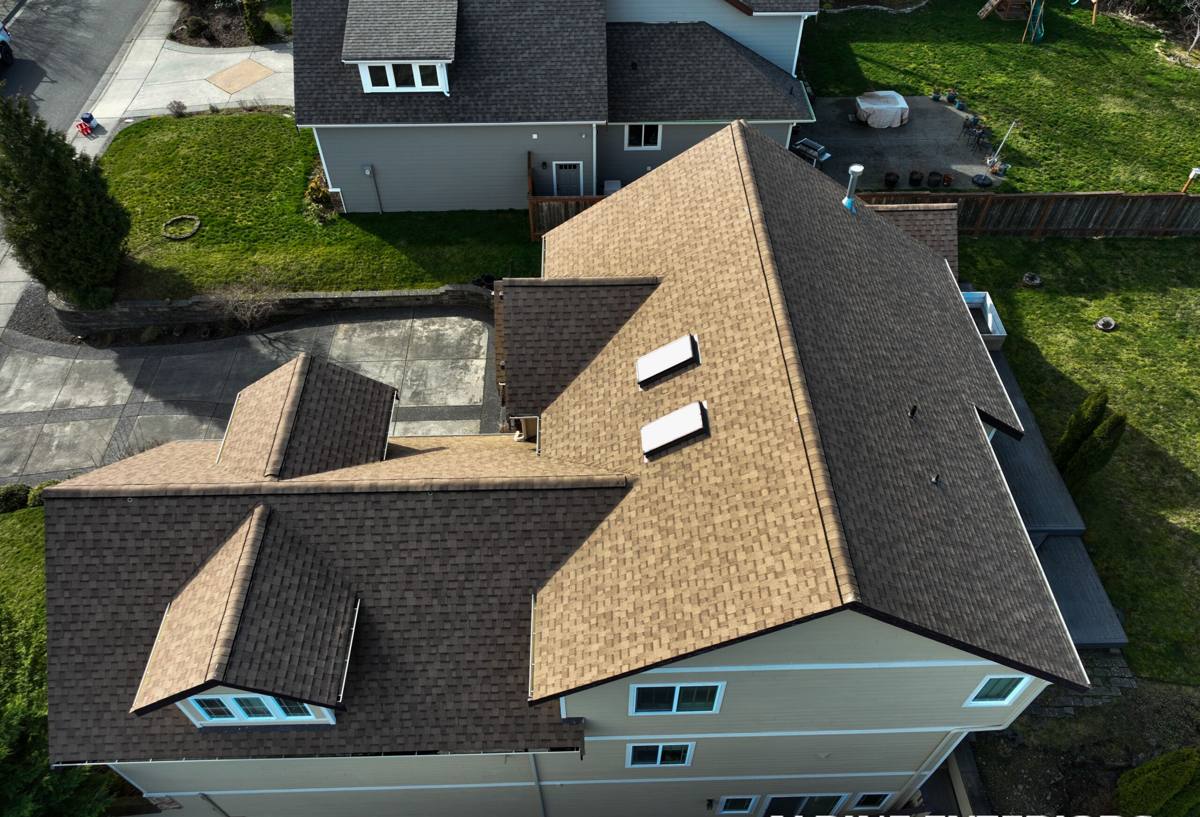
Why Lake Stevens Conditions Are Tougher on Board and Batten Than They Look
Board and batten siding is defined by its vertical seams — wide flat panels with narrow battens covering the joints. That's exactly where the climate around Lake Stevens creates problems if the assembly isn't built right:
- Driving rain: Storms off Puget Sound don't just fall straight down — wind pushes rain sideways into vertical joints and batten seams, testing every gap and fastener line.
- Moss season: Shaded north- and west-facing walls near mature trees and lake humidity stay damp for long stretches of fall and winter, and moss and algae will colonize any siding material that holds moisture at the surface.
- Salt-influenced air: Homes closer to the lake and the broader Puget Sound corridor see faster corrosion of exposed fasteners and metal trim than homes further inland.
- Temperature swings: Cool, wet winters followed by warmer, drier summers put repeated expansion-and-contraction stress on vertical board joints — a weak point if the material or the caulking wasn't chosen correctly.
None of this means board and batten is a bad choice for a Lake Stevens home. It means the material and the installation details have to be matched to the exposure, not just picked for looks.
What "Correct" Board and Batten Installation Actually Involves
A lot of board and batten failures we get called out to inspect trace back to a handful of installation shortcuts, not the style itself. A correct install includes:
A drainable wall assembly
Board and batten should never be installed directly against the sheathing with no gap. A rain screen or furring strategy lets any water that gets behind the siding drain and dry out instead of sitting against the wall — critical during Snohomish County's wetter months.
Proper panel and batten spacing
Vertical panels need consistent expansion gaps at joints, and battens need to be fastened in a way that doesn't trap moisture behind them. Battens nailed too tight, with no room for the material to move seasonally, are one of the most common causes of cracking and paint failure we see on older installs.
Flashing at every horizontal transition
Window and door heads, water tables, and any point where a roofline meets the wall need proper flashing and kick-out details. Board and batten's vertical lines can actually make missing flashing more visually obvious over time, since staining tends to run straight down the panel.
Corrosion-resistant fasteners and trim
Given the salt influence in the air around the lake, we use fasteners and trim components rated for coastal-adjacent exposure rather than standard interior-grade hardware.
A factory-cured, factory-finished panel
This is where the material choice itself becomes an installation detail, not just a style decision — which is why we only install James Hardie for this application.
Why We Install Board and Batten Only in James Hardie Fiber Cement
We get asked regularly why we don't offer board and batten in vinyl, LP SmartSide (engineered wood), or real cedar, since all three are marketed for this look. Here's the honest reasoning:
Vinyl board and batten
Vinyl is affordable and low-maintenance in the sense that it doesn't need painting, but it's a poor match for the vertical, flat-panel look board and batten is meant to deliver — panels can ripple or show waviness in temperature swings, and vinyl has real limits on impact resistance and long-term color retention in coastal-influenced sun and moisture cycles.
LP SmartSide (engineered wood) board and batten
Engineered wood siding performs reasonably when installation is flawless and maintenance stays current, but it's wood-based at its core — any breach in the factory coating (a nail pop, a scuff, an unsealed cut edge) gives moisture a path into the substrate. In a climate with a genuine moss season and sustained damp shade, that's a maintenance burden we're not willing to install and then hand to a homeowner.
Cedar board and batten
Real cedar looks beautiful and is a legitimate premium product, but it demands ongoing refinishing, is combustible, and its long-term cost of ownership (recoating, caulking, replacing damaged boards) is significantly higher than fiber cement over a 20-30 year horizon.
Why James Hardie board and batten
James Hardie's board and batten systems (built from HardiePanel vertical siding with HardieTrim battens, factory-finished in ColorPlus Technology) are non-combustible, engineered specifically for wet regional climates through Hardie's HZ10 product line, and back Everett-area homes with the moisture resistance and color durability fiber cement is known for. The factory-applied finish means the color coat is baked on before the panel ever reaches the job site, which is a meaningfully different starting point than a stain or paint applied on-site or touched up over the years.
Comparing Board and Batten Materials for a Lake Stevens Home
| Material | Moisture Behavior in This Climate | Maintenance Over Time | Typical Lifespan |
|---|---|---|---|
| Vinyl board and batten | Doesn't absorb water, but can warp/ripple with temperature swings | Low, but limited repair options if damaged | 15-25 years |
| LP SmartSide board and batten | Vulnerable at cut edges and coating breaches | Moderate — needs prompt repair of any damage | 20-30 years with diligent upkeep |
| Cedar board and batten | Absorbs moisture; needs sealed/finished surfaces | High — recoating and caulk maintenance every few years | 20-30 years with heavy upkeep |
| James Hardie board and batten | Non-combustible fiber cement, engineered for wet regional exposure | Low — occasional wash, periodic caulk checks | 30+ years with proper install |
Cost is a fair question, and it's one we're straightforward about: Hardie board and batten typically sits above vinyl and comparable to or somewhat above engineered wood in upfront installed price, with the value showing up in reduced repainting, repair, and replacement costs over the life of the siding.
How We Approach a Board and Batten Project in Lake Stevens
Our process is the same discipline on every board and batten job, adjusted for each home's specific exposure:
- On-site assessment: We walk the home and note sun/shade exposure, wind direction relative to the lake, existing moisture or moss problem areas, and any current siding or trim failures.
- Wall prep and drainage plan: We confirm or install a proper drainage gap behind the panels and address any sheathing issues found during tear-off, before a single new panel goes up.
- Panel and batten layout: We plan panel seams and batten spacing around the home's actual dimensions rather than forcing a generic layout, so reveals stay even and joints land in sensible places.
- Flashing and fastening: Every window head, roof-to-wall transition, and penetration gets flashed correctly, with corrosion-resistant fasteners throughout.
- Final inspection and cleanup: We walk the finished siding with the homeowner, checking reveals, caulk lines, and trim before considering the job complete.
Why Local Experience with Lake Stevens Homes Matters
A crew that mostly works drier inland climates can install board and batten correctly on paper and still miss the details that matter here — the extra care around north-facing shade walls that never fully dry out, the additional flashing attention a home with lake-facing wind exposure needs, or knowing which fastener and trim upgrades are worth the small added cost given the salt-influenced air. Crews who work Everett, Lake Stevens, and the surrounding Snohomish County communities regularly build those judgment calls into every estimate and every install, rather than treating each job as a generic template.
Maintaining Board and Batten Siding Once It's Installed
Even the right material and installation benefit from basic upkeep. For Lake Stevens homeowners, we recommend:
- A gentle wash (garden hose and soft brush, or low-pressure rinse) once or twice a year to clear pollen, moss spores, and grime before they take hold
- Extra attention to shaded, damp-prone walls during moss season — a quick rinse there goes further than anywhere else on the house
- A yearly visual check of caulk lines at trim, windows, and batten joints, since caulk is a maintenance item on any siding system
- Prompt attention to any small impact damage, so a minor issue doesn't become an entry point for moisture
- Keeping gutters clear and downspouts directed away from the wall to reduce splash-back onto lower siding courses
If you're considering board and batten siding for a home in Lake Stevens, we're glad to walk the property, talk through what your specific exposure calls for, and put together a clear, no-pressure estimate — just fill out the form below to get started.