 Everett
 Roof Replacement Built for Lake Stevens Weather, Not a National Average
A roof replacement quote that reads the same in Lake Stevens as it would in Arizona is a red flag. Lake Stevens sits inland from Puget Sound, but the weather systems that roll through Snohomish County still carry salt-tinged moisture off the Sound, and the lake itself adds its own layer of humidity to the mix. Add in the tree canopy that shades so many streets around the lake, and you get a roofing environment that punishes shortcuts: constant dampness, slow-drying shade pockets, and a moss season that can run most of the year if a roof isn't set up to shed it.
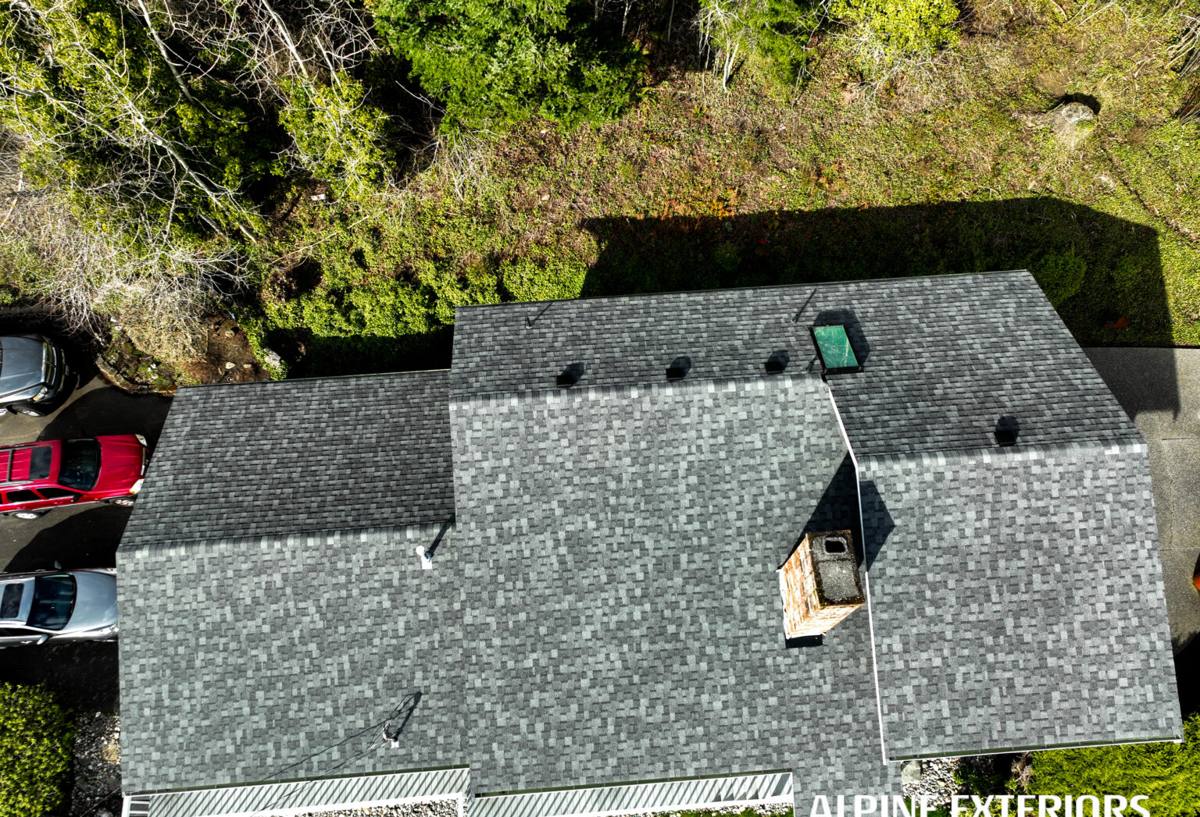
This page is about one job, done right, in this one area: replacing a roof on a Lake Stevens home in a way that actually holds up to what the climate here does to shingles, flashing, and decking year after year.
What Lake Stevens Homes Are Actually Up Against
Driving Rain and Wind-Driven Moisture
Snohomish County doesn't get the heaviest rainfall totals in the state, but it gets long, low-intensity rain events that come in sideways more often than people expect. That wind-driven pattern pushes water up under shingle tabs and into flashing laps that would stay dry in a straight-down rain. Roofs here need underlayment and flashing details that assume water will find a way in, not just shingles that look good from the street.
Salt Air, Even This Far Inland
Lake Stevens isn't waterfront on the Sound, but the marine air that moves through the region still carries fine salt content that settles on exposed metal — flashing, vents, fasteners, gutter hardware. Over years, untreated or low-grade metal components corrode faster here than they would in a dry inland climate, which is why the small metal details on a roof matter as much as the shingle brand.
A Long Moss Season Under Tree Cover
Many Lake Stevens properties sit under mature fir and cedar cover, which is part of what makes the area attractive to live in — and part of what makes moss such a persistent problem. Shade slows drying time after every rain, and organic debris from the trees gives moss spores something to grab onto. Once moss gets a foothold, it holds moisture against the roof surface and works its way under shingle edges, which shortens the life of even a well-installed roof.
Signs a Lake Stevens Roof Is Actually Due for Replacement
Not every roof problem means a full replacement — sometimes a repair is the honest answer. But certain signs, especially in combination, point to a roof that's past the point where patching makes sense.
- Granules collecting in gutters or at downspout outlets, especially after a wind event
- Shingles that are cupping, curling at the edges, or visibly cracked
- Moss or dark algae streaking that keeps coming back within months of cleaning
- Soft spots or noticeable sag when walked (a sign the decking underneath may be compromised)
- Daylight visible through the roof deck from inside the attic
- Rising interior humidity, musty attic smell, or staining on ceilings after heavy rain
- A roof that's 20+ years old and has never had underlayment or flashing upgraded
What a Correct Roof Replacement Actually Involves
A roof replacement is more than swapping old shingles for new ones. The parts of the job that don't show from the street are usually the parts that determine whether the new roof lasts 15 years or 30.
Full Tear-Off and Deck Inspection
We remove existing roofing down to the deck rather than layering over old material. That's the only way to actually see the plywood or OSB underneath, check for soft or delaminated spots from years of trapped moisture, and replace any decking that's compromised before it's covered up again.
Underlayment and Ice-and-Water Protection
Given how much wind-driven rain this area sees, underlayment choice matters. Self-adhering ice-and-water membrane belongs at eaves, valleys, and around penetrations — the places water is most likely to back up or find a seam — with synthetic underlayment across the rest of the deck for a tear-resistant, water-shedding layer under the shingles.
Flashing at Every Transition
Chimneys, skylights, wall step-flashing, and valleys are where roofs actually fail, far more often than the open field of shingles. Given the salt content in the regional air, we use flashing and fasteners rated to hold up to that corrosion exposure rather than the cheapest galvanized option.
Ventilation That Matches the Home
Balanced intake and exhaust ventilation keeps the attic close to outdoor temperature and humidity, which protects the decking from the inside and helps prevent ice damming in cold snaps. A lot of older Lake Stevens homes were built with minimal or mismatched ventilation, and adding it correctly during a replacement is one of the higher-value upgrades available.
Choosing a Roofing Material for This Climate
There's no single "best" roofing material — the right choice depends on the home, the budget, and how much shade and moss exposure the property actually gets. Here's how the common options compare for a Lake Stevens property specifically.
| Material | Typical Lifespan Here | Moss/Moisture Behavior | Relative Cost | Best Fit |
|---|---|---|---|---|
| Architectural asphalt shingle | 25–30 years | Good with proper underlayment and copper/zinc strips; needs periodic moss removal | $ | Most homes; best balance of cost and performance |
| 3-tab asphalt shingle | 15–20 years | More prone to moss lifting tabs over time | $ | Budget-driven projects, shorter planning horizon |
| Standing seam metal | 40–50+ years | Sheds moss and needles well due to slick, low-friction surface | $$$ | Heavily shaded lots, long-term owners |
| Composite/synthetic shake | 30–40 years | Good moisture resistance without the maintenance burden of real wood | $$ | Owners who want a cedar look without cedar's upkeep |
On cedar shake specifically: our professional standard is to steer most Lake Stevens homeowners toward composite alternatives rather than natural cedar. Real cedar can look great, but it demands regular treatment and near-perfect ventilation to resist the rot and moss growth this climate encourages — a maintenance commitment that catches a lot of owners off guard a few years in. We'll still discuss it honestly if it's what you want; we just want you to know what you're signing up for.
Moss Prevention Built Into the New Roof, Not Bolted On Later
Moss treatment after the fact — scraping, chemical wash, pressure washing — only manages a symptom. During replacement, we install zinc or copper control strips near the ridge on shaded roofs, which release trace metal ions with every rain that inhibit moss and algae growth across the whole roof surface. We also make sure valleys and low-slope transitions are detailed so water doesn't pool where debris can collect. None of this eliminates the need for the occasional gutter cleaning or debris clearing under heavy tree cover, but it meaningfully extends the time between moss treatments.
Our Process for a Lake Stevens Roof Replacement
1. On-Site Assessment
We walk the roof and attic, not just the exterior — checking decking condition, existing ventilation, flashing condition, and moss/moisture patterns specific to your lot's sun and shade exposure.
2. Written, Itemized Estimate
You get a clear breakdown of material, tear-off, decking allowance, flashing, and ventilation work — not a single lump number that hides what you're actually paying for.
3. Scheduling Around the Weather
We plan tear-off days around forecast windows and keep the home dried-in at the end of every work day, since a half-torn-off roof and an unexpected Snohomish County rain shower don't mix.
4. Tear-Off, Deck Repair, and Installation
Full removal, deck inspection and repair as needed, then underlayment, flashing, ventilation, and final roofing material installed to manufacturer specification.
5. Final Walkthrough
We walk the finished roof and attic with you, cover what was replaced versus repaired, and go over any manufacturer warranty registration steps.
Permits, Timing, and What to Expect
Most roof replacements in Snohomish County require a permit, which we handle as part of the job rather than leaving it to the homeowner. Timeline for a typical single-family home runs a few days once weather cooperates, though decking repairs or complex rooflines can extend that. If you're planning around Lake Stevens' wetter months, earlier scheduling in a dry stretch reduces the chance of weather delays — but a properly managed tear-off can be done responsibly in most seasons.
What Every Roofing Quote Should Include
Whoever you hire, make sure the quote actually specifies these — vague quotes are where corners get cut without you knowing it.
- Full tear-off to the deck, not an overlay, unless you've specifically discussed and agreed to an overlay
- Decking repair terms — how it's priced if rot is found once the old roofing comes off
- Underlayment type and where ice-and-water membrane is used
- Flashing material and whether it's rated for corrosion resistance
- Ventilation plan — intake and exhaust, not just "vents included"
- Manufacturer and workmanship warranty terms in writing
- Cleanup and magnetic nail sweep of the property
Why Local Lake Stevens Experience Matters
A crew that only occasionally works this area treats every roof the same way they'd treat one in a dry climate two states over. A crew that regularly works Lake Stevens knows which slopes hold moss longest through the shaded months, which flashing details actually stand up to the salt-and-rain combination this region produces, and how to sequence a tear-off around real Snohomish County weather instead of a generic forecast. That local pattern recognition is what turns a roof replacement from "installed correctly on paper" into "still performing after fifteen wet winters."
If your roof is showing its age or you just want an honest read on where it stands, we're happy to take a look. Reach out for a free, no-pressure estimate using the form below.