 Everett
 Why Pinehurst Decks Take a Beating
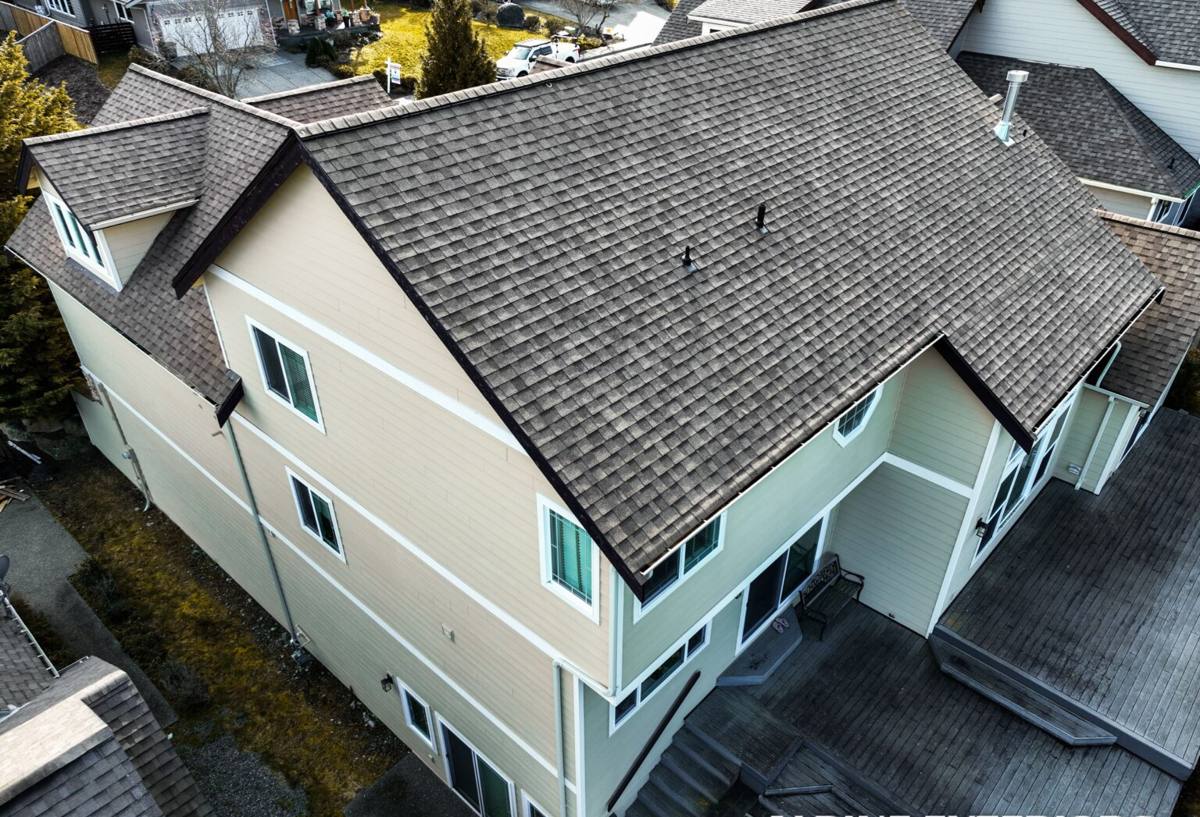
Decks in the Pinehurst area of Everett live in a tough combination of conditions. Moist Puget Sound air carries salt inland, driving rain comes in sideways off passing fronts for months at a time, and the region's long, mild, damp fall-through-spring stretch gives moss and algae plenty of time to take hold on any horizontal wood surface. None of this is unique to one street or one house — it's the baseline reality for exterior wood structures across Snohomish County. A deck that would show only cosmetic wear in a drier climate can develop real structural problems here within a few seasons if it isn't built and maintained with that reality in mind.
Deck repair in this kind of climate isn't just about swapping out a rotten board. It's about understanding which parts of a deck fail first under sustained moisture and salt exposure, and fixing those parts correctly so the same failure doesn't come back in two years.
Where Deck Damage Actually Starts in Pinehurst Homes
When we get called out to a deck repair in this neighborhood, the damage almost always traces back to one of a handful of predictable spots. Knowing where to look is half the job.
Ledger Board and Structural Connections
The ledger board — where the deck attaches to the house — is the single most important structural point on any deck, and it's also the point most exposed to trapped moisture. Driving rain pushes water behind poorly flashed ledger connections, and once water gets between the ledger and the house band board, it has nowhere to go and nowhere to dry out quickly. This is where we find the most serious rot, and it's also the repair that matters most for safety, since a compromised ledger connection affects the whole structure, not just one board.
Fasteners and Metal Hardware
Salt-laden air accelerates corrosion in any fastener or connector that isn't rated for it. Nails, screws, and joist hangers that were fine when installed can rust, weaken, and eventually fail years before the wood around them does. Rust streaking down decking boards is usually the first visible sign that hardware underneath is failing.
Decking Boards and Walking Surfaces
Horizontal surfaces collect standing water, fallen debris, and the moss and algae film that builds up during the wet months. Over time this traps moisture against the wood, breaks down surface fibers, and turns a maintenance issue (a slippery, green-tinted deck) into a structural one (soft, spongy boards).
Railings, Stairs, and Post Bases
Post bases sit where the deck meets grade or a concrete footing — another spot where water collects and lingers. Loose railings and spongy stair stringers are common early warning signs that moisture has been working on the wood longer than it looks from the surface.
What a Correct Deck Repair Actually Involves
A repair that just replaces the board you can see, without addressing what's underneath it, tends to fail again quickly in this climate. A correct repair follows a specific sequence: find the actual extent of the damage (which is often larger than the visible surface problem), address the moisture source if there is one, replace both structural and cosmetic components with materials suited to the exposure, and confirm the fix with proper fasteners and flashing — not just cosmetic patching.
| Repair Element | Surface-Level Patch | Correct Repair |
|---|---|---|
| Rotten decking board | Board swapped, joist underneath not inspected | Joist and framing checked and repaired first, then board replaced |
| Rusted fasteners | New screws driven next to old ones | Old hardware removed, corrosion source addressed, corrosion-resistant fasteners used |
| Soft ledger area | Caulked over and repainted | Flashing corrected, rotten framing cut back to sound wood and rebuilt |
| Moss-stained boards | Pressure washed only | Cleaned, inspected for softness underneath, sealed or treated appropriately |
The difference isn't always visible on day one — it shows up two or three winters later, when the patched version needs to be redone and the correct repair is still holding.
Repair or Replace? How We Help You Decide
Not every deck problem calls for a full rebuild, and not every deck can be saved with spot repairs. The right call depends on how much of the structure is affected, not just how it looks on the surface.
| Factor | Leans Toward Repair | Leans Toward Replacement |
|---|---|---|
| Ledger board condition | Solid, no soft spots when probed | Rot found at multiple points along the ledger |
| Number of damaged joists | One or two isolated joists | Widespread rot across the joist framing |
| Age of the deck | Under 15-20 years, original framing sound | Older deck already near the end of its service life |
| Owner's goals | Wants to keep current layout and materials | Wants to upgrade materials or reconfigure the deck |
We'll walk you through what we actually find during the inspection, in plain terms, so the repair-versus-replace decision is based on the real condition of your deck rather than a guess.
Our Deck Repair Process
- Inspection. We check the ledger connection, framing, fasteners, and decking surface, including probing suspect boards for softness rather than relying on a visual check alone.
- Scope and explanation. We tell you what's actually damaged, what's causing it, and what it will take to fix it correctly — including if a smaller repair is genuinely sufficient.
- Removal of damaged material. Rotten wood and corroded hardware are cut back to sound material, not just covered over.
- Structural repair first. Framing, ledger flashing, and connections are addressed before any cosmetic work begins.
- Decking and hardware replacement. New boards and fasteners are installed using materials matched to the exposure the deck actually faces.
- Final check. Railings, stairs, and post bases are tested for solidness, not just appearance.
Materials and Hardware We Choose for This Climate
Material choice matters more in a coastal-influenced climate than in drier parts of the country. For fasteners and structural connectors, we use stainless steel or coated hardware rated for exterior and coastal exposure rather than standard galvanized fasteners, which corrode faster under sustained salt-air exposure. For decking material, both quality wood and composite boards can hold up well here — the deciding factors are usually maintenance tolerance, budget, and how the existing structure is built, not one product being universally "better." Wood decking generally costs less up front but needs periodic cleaning, sealing, or staining to keep moss and moisture from taking hold. Composite decking costs more initially and needs little surface maintenance, but it still depends entirely on solid framing and correct fastening underneath — composite boards don't fix a rotten joist, they just sit on top of it. We'll walk you through the honest trade-offs for your specific deck rather than pushing one material as a default.
Timing Your Repair Around Moss Season
Snohomish County's wet season runs long, and moss and algae growth on deck surfaces tends to accelerate through the fall and winter months when boards stay damp for days at a time. Repairs are still possible year-round, but addressing soft boards, damaged fasteners, or ledger issues before the wettest months arrive prevents a season of standing water from turning a moderate repair into a larger one. If you've noticed a soft spot, a rust stain, or a stubborn moss patch, it's worth having it looked at before the next stretch of driving rain rather than waiting until spring.
Deck Maintenance Checklist for Pinehurst Homeowners
Between repairs, a few simple habits go a long way toward slowing down moss buildup and moisture damage in this climate:
- Sweep leaves and debris off the deck surface regularly, especially in fall, so moisture doesn't stay trapped underneath.
- Check for green or black staining on boards, which signals moss or algae getting a foothold.
- Look for rust streaks below fasteners or metal connectors — an early sign hardware is corroding.
- Press on boards near the house and near post bases; sponginess means moisture has already gotten in.
- Keep gutters and downspouts near the deck clear so runoff isn't draining directly onto or under it.
- Reseal or restain wood decking on the schedule appropriate for the product, rather than waiting until it visibly fails.
Why Hire a Crew That Already Works in Pinehurst
A contractor who works regularly in this part of Everett already knows which deck details tend to fail first in this specific climate — the ledger flashing details, the fastener grades that actually hold up, the framing patterns common to homes built in different eras in the area. That local pattern recognition means less time spent diagnosing and more time spent fixing the right thing the first time. It also means we're not guessing about how the weather here treats exterior wood structures over time — we see the results of driving rain, salt air, and long moss seasons on decks in this area on a regular basis, and we build our repairs around that reality rather than a generic checklist.
If you've got a deck in Pinehurst that's showing soft spots, rust stains, stubborn moss, or just feels less solid than it used to, we're happy to take a look. Estimates are free, there's no pressure to move forward, and you'll get a straight answer about what's actually going on with your deck.