 Everett
 Metal Roofing for Port Gardner: Built for Where It Sits
Port Gardner sits close enough to the water that homes here take a different kind of weathering than roofs a few miles inland. Salt-laden air off the bay, wind-driven rain that finds its way under loose flashing, and a moss season that runs longer than most homeowners expect all work against a roof year-round. A metal roof can handle that environment better than almost any other option — but only if it's specified and installed with those conditions in mind. A generic install, done the same way you'd do it in a dry inland neighborhood, will underperform here.
This page covers what Port Gardner homes specifically need from a metal roof, what a correct installation actually involves, and how our process is built around the realities of working this stretch of Everett.
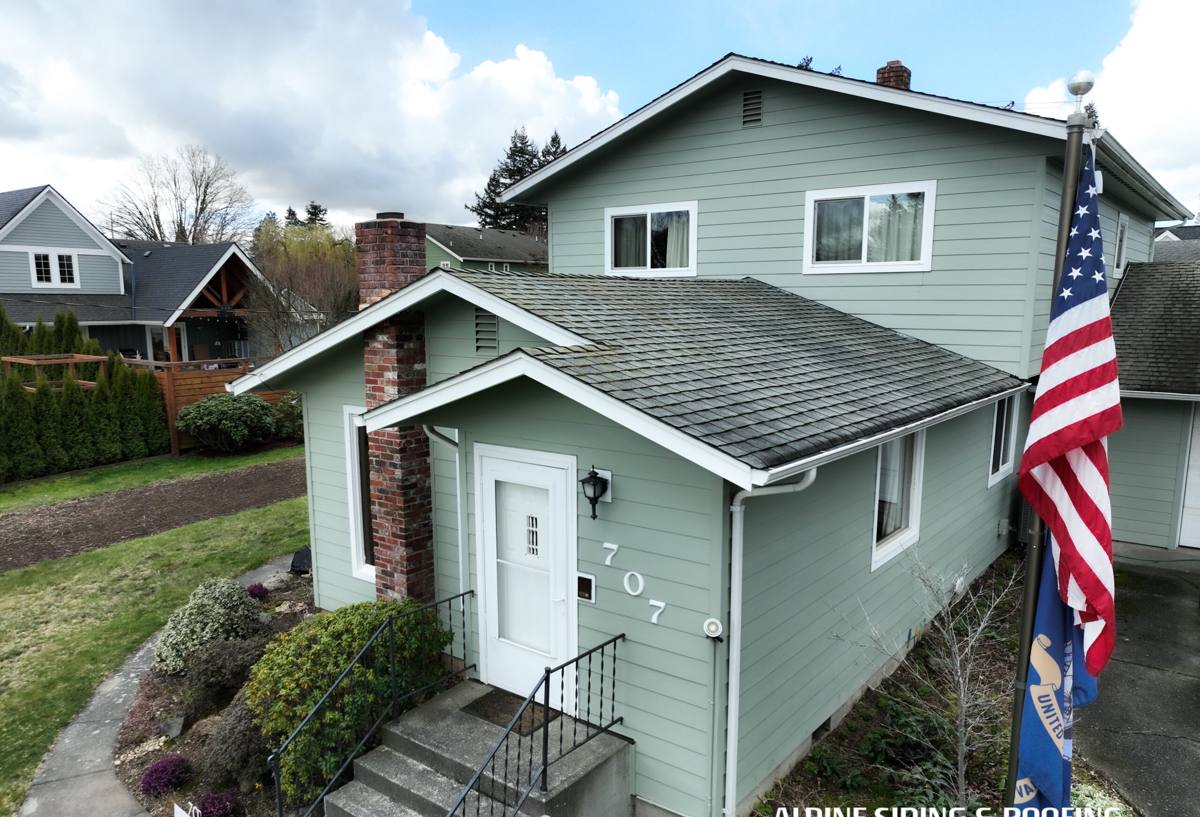
What the Local Climate Actually Does to a Roof
Salt Air and Corrosion
Airborne salt from Port Gardner Bay settles on every exposed surface, including fasteners, flashing, and panel edges. Over years, that salt accelerates corrosion on metals that aren't rated for a marine or near-marine environment. It's not dramatic — you won't see it happen — but it shows up first at cut edges, exposed screw heads, and anywhere two dissimilar metals touch and start a slow galvanic reaction.
Driving Rain and Wind-Driven Water
Snohomish County gets a lot of straight-down rain, but the storms that do damage here are the ones that come in sideways off the water. Wind-driven rain doesn't just run off a roof — it gets pushed uphill under laps, into fastener holes, and behind flashing that was installed for a calmer climate. A metal roof's watertightness depends almost entirely on how the details were handled, not on the panel itself.
Moss and Organic Growth
The moss season around Everett runs long, and north-facing slopes or roofs shaded by mature trees stay damp for weeks at a stretch. Moss doesn't damage metal panels the way it damages shingles, but it does trap moisture against fasteners, valleys, and flashing, and it clogs the small channels — gutters, kickout flashing, valley troughs — that are supposed to keep water moving off the roof.
Why Metal Makes Sense Here
Metal roofing holds up well against all three of those pressures when it's specified correctly. It sheds water fast, it doesn't give moss the organic surface it needs to root into, and with the right coating and fastener package it resists salt-air corrosion far longer than asphalt shingles or wood shakes hold up to the same exposure. That's why we see steady demand for metal roofing in neighborhoods close to the water — it's not a trend, it's a practical match for the conditions.
Panel and Finish Options: What Actually Matters Near the Water
Not all metal roofing is built the same, and the differences matter more here than they would inland. The table below compares the main options homeowners in Port Gardner ask us about.
| Option | Salt-Air Performance | Water Handling | Maintenance |
|---|---|---|---|
| Standing seam (concealed fastener) | Strong — no exposed screws to corrode | Excellent; raised seams shed wind-driven rain well | Low; occasional inspection of flashing points |
| Exposed-fastener panel | Moderate — depends on gasket and screw quality; screws are the weak point | Good on steep slopes, weaker on low-slope sections | Moderate; fastener gaskets need periodic checking |
| Stone-coated steel | Good with proper coating; coating protects the base metal | Very good; profile mimics shingle/tile drainage patterns | Low to moderate; coating should be inspected over time |
| Uncoated or minimally coated steel | Poor in this environment — we don't recommend it this close to the water | Adequate short-term, degrades as corrosion starts | High once corrosion begins |
For homes within easy reach of the bay, we steer most clients toward standing seam or a quality stone-coated steel system. Exposed-fastener panels aren't wrong for every application, but on a home taking direct salt air and wind-driven rain, the long-term maintenance burden of monitoring dozens of exposed fasteners usually outweighs the lower upfront cost.
What a Correct Installation Actually Involves
The panel itself is only part of the job. Most metal roof problems we're called out to fix started with a shortcut somewhere in the details, not with the panel failing on its own.
Underlayment
A synthetic, high-temperature underlayment rated for the panel type goes down first. In a wind-driven rain environment, we pay particular attention to lap direction and fastening pattern so wind can't drive water up under the sheet before the panels even go on.
Fasteners and Flashing
Fasteners and flashing need to be matched metals — mixing incompatible metals invites galvanic corrosion, which shows up faster in salt air than almost any other failure mode. Every penetration (vents, chimneys, skylights) gets properly flashed and sealed, not just caulked over.
Valleys and Transitions
Valleys carry more water than any other part of the roof, and they're where moss debris tends to collect. We size and install valley flashing so it can handle the volume of water a real Snohomish County storm produces, not just a light rain.
Ventilation
A metal roof still needs a properly balanced intake-and-exhaust ventilation system underneath it. Get this wrong and you trap moisture in the attic, which causes problems that have nothing to do with the roof surface itself but get blamed on it anyway.
Our Process for Port Gardner Projects
- On-site inspection. We walk the roof and attic, note existing damage, check ventilation, and look at how the home is exposed to wind and rain off the water.
- Plan and product selection. Based on slope, exposure, and budget, we recommend a panel type and finish — we'll explain the trade-offs rather than push one option.
- Tear-off and deck check. We remove the old roofing and inspect the deck for rot or soft spots before anything new goes down; problems found here get addressed, not covered up.
- Underlayment and flashing. Installed to the standards above, with particular attention to valleys, penetrations, and any low-slope transitions.
- Panel installation. Panels go on with the fastening pattern and spacing the manufacturer specifies for wind exposure in this area.
- Final walkthrough. We review the finished roof with you, point out anything you should keep an eye on, and answer questions before we leave the job.
Living With a Metal Roof in a Marine Climate
Metal roofing is low-maintenance, not no-maintenance. A little seasonal attention goes a long way toward getting the full lifespan out of the system.
- Clear gutters and valleys of debris before the fall rains start, since clogged valleys are the most common cause of leaks we see on metal roofs near the water.
- Rinse off accumulated grime and salt residue during dry stretches — a garden hose is usually enough, no pressure washer needed.
- Trim back branches that keep a section of roof shaded and damp, since that's where moss gets a foothold first.
- Have flashing and fastener points checked every couple of years, especially after a hard windstorm.
- Address any scratched or exposed metal promptly — a small touch-up now is a lot cheaper than a corroded section later.
Cost Factors to Understand Before You Budget
Metal roofing costs more upfront than asphalt shingles, and pricing varies with roof complexity, panel choice, and access. In broad terms, homeowners in this area typically see installed pricing somewhere in the range of standard metal roofing costs for the Puget Sound region, with standing seam running higher than exposed-fastener or stone-coated steel. The real number depends on your roof's size, pitch, number of valleys and penetrations, and current condition — which is exactly what a free on-site estimate is for.
| Factor | Why It Affects Cost |
|---|---|
| Panel type | Standing seam requires more labor and material than exposed-fastener systems |
| Roof complexity | More valleys, dormers, and penetrations mean more flashing work |
| Tear-off vs. overlay | Removing old roofing and repairing the deck adds labor but avoids covering up problems |
| Access and pitch | Steep or hard-to-reach roofs take longer and require more safety setup |
| Ventilation upgrades | Correcting inadequate attic ventilation during the reroof adds cost but prevents future issues |
Why a Crew That Already Works Port Gardner Matters
A roofing crew that's spent time on homes in this specific pocket of Everett already knows how the wind moves off the water, which slopes take the worst of the driving rain, and how aggressive the moss season really is here compared to more sheltered inland neighborhoods. That's not something you can fully substitute with a generic install checklist. It shows up in small decisions — how a valley gets sized, which side of the roof gets extra attention to fastener corrosion, how ventilation gets balanced — that add up to a roof that actually performs the way it's supposed to for its full lifespan.
We also know the practical side of working this area: permitting through Snohomish County and the City of Everett, scheduling around the weather windows that actually allow a dry install, and coordinating with the other trades a reroof sometimes touches. None of that is exotic, but getting it right the first time saves you real headaches.
If you're weighing a metal roof for a home in Port Gardner, we're happy to take a look and walk you through what your specific roof needs — no pressure, no obligation. Use the form below to request a free estimate.