 Everett
 Roof Repair Built for Forest Park's Climate, Not a Generic Checklist
Forest Park sits close enough to Puget Sound and the Everett waterfront that homes here deal with a specific combination of weather stress: salt-tinged marine air, long stretches of driving rain off the Sound, and a moss season that can run from October well into April. A roof repair that works fine in a drier inland climate can fail here in a year or two if it doesn't account for that combination. When we quote a roof repair in Forest Park, we're not just patching the visible problem — we're looking at how that section of roof handles wind-driven rain, standing moisture, and organic growth over the wet months.
This page is about roof repair specifically — not full roof replacement. Most homes in this neighborhood don't need a new roof; they need targeted work done correctly: flashing that's failed, shingles lifted or cracked from wind, moss damage that's opened up the roof deck, or a leak that's been chasing its way through the attic for longer than the homeowner realizes.
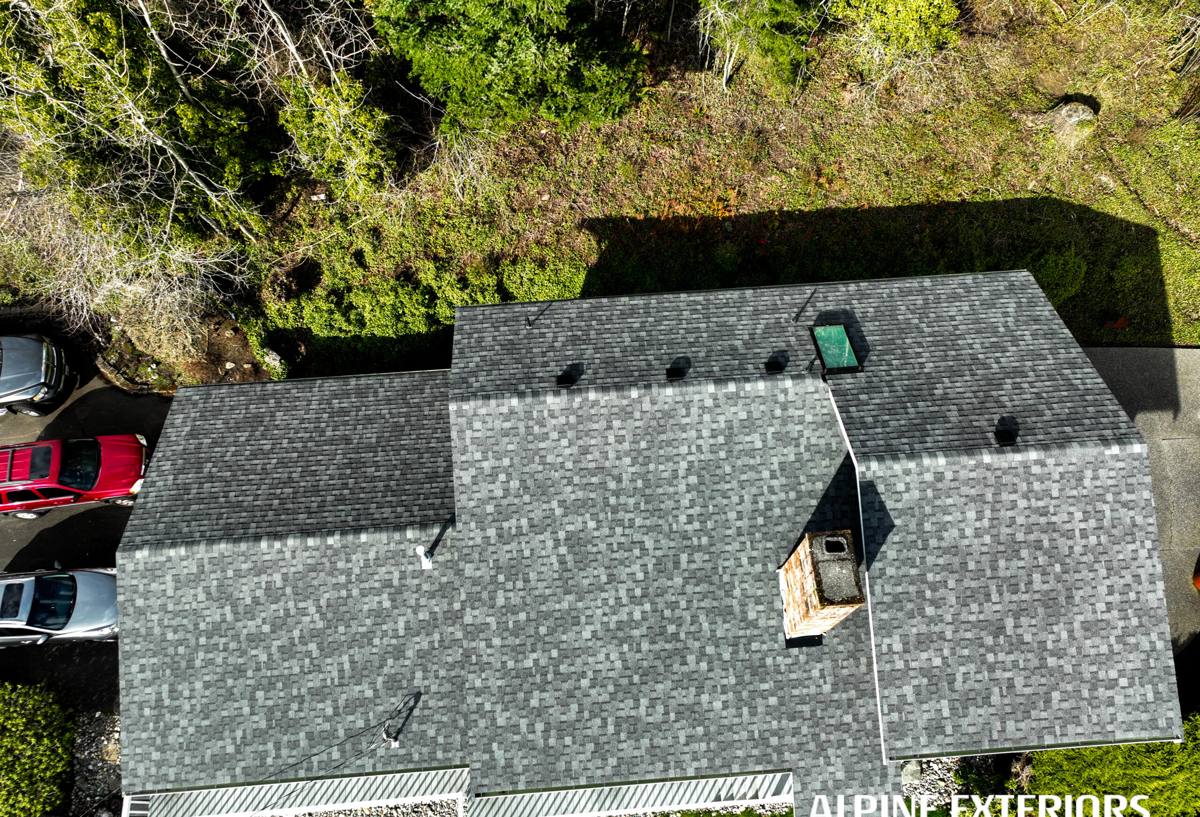
What Everett's Weather Actually Does to a Roof
Salt air and metal fatigue
Homes within a few miles of Port Gardner Bay and the Sound get a steady dose of salt-laden air. Over years, that air accelerates corrosion on exposed metal — flashing, drip edge, fasteners, and vent stacks. A fastener that's rusted through doesn't hold shingles down in a windstorm, and corroded flashing at a chimney or wall intersection is one of the most common leak points we find on repair calls in this area.
Driving rain, not just rain
Snohomish County doesn't just get rain — it gets rain pushed sideways by wind coming off the water. That matters for repair work because wind-driven rain finds gaps that vertical rain never would: under lifted shingle tabs, behind poorly lapped flashing, and through nail holes that weren't properly sealed. A repair that only addresses the spot where water is showing up inside the house, without tracing back to where wind is actually driving water in, tends to come back.
Moss season
Forest Park's tree cover and the region's damp, shaded winters are ideal conditions for moss and algae growth. Moss doesn't just look bad — it holds moisture directly against the roofing material, lifts shingle edges as it grows, and works its root structure into granule loss over time. On roofs we're called out to repair, moss-related deck rot is one of the most common underlying causes of a leak that looked minor from the outside.
Signs a Forest Park Roof Needs Repair, Not Just a Watch-and-Wait
- Water staining on ceilings or upper walls, especially after a windy rainstorm rather than a calm one
- Granules collecting in gutters or at downspout outlets
- Visible moss mats, especially on north-facing slopes that stay shaded and damp
- Shingles that look cupped, curled, or lifted at the edges
- Flashing around chimneys, skylights, or roof-wall intersections that looks rusted, separated, or caulked over repeatedly
- Daylight visible through the roof deck from inside the attic
- Soft or spongy spots when walking the roof (a sign the deck itself may be compromised)
Any one of these on its own might be minor. Several together usually mean water has been getting in longer than the visible symptom suggests.
What a Correct Repair Actually Involves
A roof repair done right isn't just replacing what's obviously damaged. It's a sequence:
- Find the real source. Water travels along the underside of roofing material and framing before it shows up as a stain, so the leak's entry point is often several feet from where the damage appears inside. We trace it before we cut into anything.
- Check the deck. If moss or a long-standing leak has softened the plywood or sheathing underneath, replacing shingles over rotten decking just delays the same failure. Damaged decking gets cut out and replaced before new roofing goes down.
- Redo the flashing, not just the shingles. Most leaks we trace back to flashing failure, not shingle failure. Flashing around chimneys, vents, valleys, and wall intersections gets rebuilt to shed water properly, not just re-caulked.
- Match the existing roofing correctly. New shingles need to be woven into the surrounding roofing with proper overlap and nailing pattern so they perform as one system, not a visible patch that's also a future leak point.
- Clear and treat moss where it's contributing to the problem. Removing moss without addressing why it's growing there (shade, poor drainage, low-slope sections) means it's back within a season or two.
Common Forest Park Repair Types
| Repair Type | Typical Cause Locally | What's Involved |
|---|---|---|
| Flashing replacement | Salt-air corrosion, age, poor original install | Remove and rebuild flashing at chimneys, valleys, walls, and vents |
| Storm damage patch | Wind-driven rain, wind-lifted shingles | Replace damaged shingles, reseal tabs, check underlayment |
| Moss and deck repair | Shaded north slopes, long wet season | Moss removal, deck inspection, sheathing replacement if soft |
| Chronic leak tracing | Long-standing issue misdiagnosed or ignored | Attic inspection, moisture tracing, targeted deck and flashing repair |
| Vent and penetration reseal | Aged pipe boots, cracked sealant | Replace boots and reseal all roof penetrations |
Why Materials and Fasteners Matter More Here
In a marine climate like Everett's, the small details of a repair matter more than they would somewhere drier. We use corrosion-resistant flashing and fasteners on repair work in this area specifically because standard-grade metal doesn't hold up long-term against salt air. It costs a little more up front and saves a callback in three years. We also pay attention to how a repair drains — a patch that looks fine but creates a new low spot or blocks water's natural path off the roof will cause a problem somewhere else even if it solves the original leak.
We generally steer away from repair shortcuts like heavy roof cement patches or spray sealants as a standalone fix. They can look like a solution for a season, but they trap moisture against the roofing material and make it harder to diagnose and properly fix the same spot later. Our standard is to repair the actual roofing assembly — deck, underlayment, flashing, and shingles — so the fix holds through multiple wet seasons, not just until the next one.
Our Process on a Forest Park Repair Call
- Inspection. We walk the roof and check the attic from inside, looking for the actual path water is taking, not just where it's showing up.
- Honest assessment. We tell you what's actually wrong, what it will take to fix it correctly, and whether it's a repair situation or something bigger. We're not going to talk a homeowner into a full replacement for a problem that repair can solve.
- Written estimate. Clear scope, clear cost range, no surprise add-ons once work starts unless we find something hidden (like rotted decking) that changes the job.
- The repair itself. Done to the sequence above — source, deck, flashing, shingles, drainage.
- Cleanup and check. Roof and gutters cleared of debris from the work, and we confirm the fix addresses what you called us for.
What Roof Repair Typically Costs
Costs vary a lot depending on what's actually found once we're up there, but as a general guide:
| Repair Scope | General Range | Notes |
|---|---|---|
| Minor flashing or shingle repair | Few hundred dollars | Single area, no deck damage |
| Moderate repair with deck section replacement | Low to mid four figures | Depends on size of damaged deck area |
| Multiple problem areas or chronic leak | Mid four figures and up | Often involves flashing rebuild plus deck work |
These are broad ranges, not quotes — the only way to give an accurate number is to actually inspect the roof. We won't estimate sight-unseen or from a phone description, because the difference between "replace some shingles" and "rebuild the flashing and part of the deck" isn't visible from the ground.
Why a Crew That Knows Forest Park Matters
Roofing crews who don't regularly work this specific stretch of Snohomish County sometimes underestimate how much the salt air and moss cycle accelerate wear compared to more inland parts of Washington. A crew that already works Forest Park and the surrounding Everett neighborhoods knows which slopes tend to hold moss longest, how far wind-driven rain can travel under a lifted shingle in this exposure, and which flashing details tend to fail first on homes of this area's typical age and construction. That local pattern recognition shortens the diagnosis and reduces the chance of a repair that treats the symptom but misses the cause.
It also means faster response. When a windstorm off the Sound tears loose a section of shingles or a chimney flashing fails during a heavy rain, having a crew already familiar with the neighborhood — rather than one dispatching from far outside the county — means less time with an active leak running into your attic or walls.
Maintenance That Extends a Repair's Life
- Clear moss and debris from the roof at least once a year, ideally before the wet season sets in
- Keep gutters clear so water isn't backing up under the lower shingle courses
- Trim back tree limbs that keep sections of roof shaded and damp longer than necessary
- Have flashing and vent boots checked every few years, since they age faster than the shingles around them
- Address small leaks immediately rather than waiting for the next dry stretch — deck damage compounds with every wet cycle it's left unaddressed
If you're dealing with a leak, storm damage, or moss-related wear on a Forest Park roof, we're happy to take a look and give you a straight answer about what it actually needs. Request a free, no-pressure estimate using the form below.