 Everett
 Siding Built for a Neighborhood That Sits Close to the Water
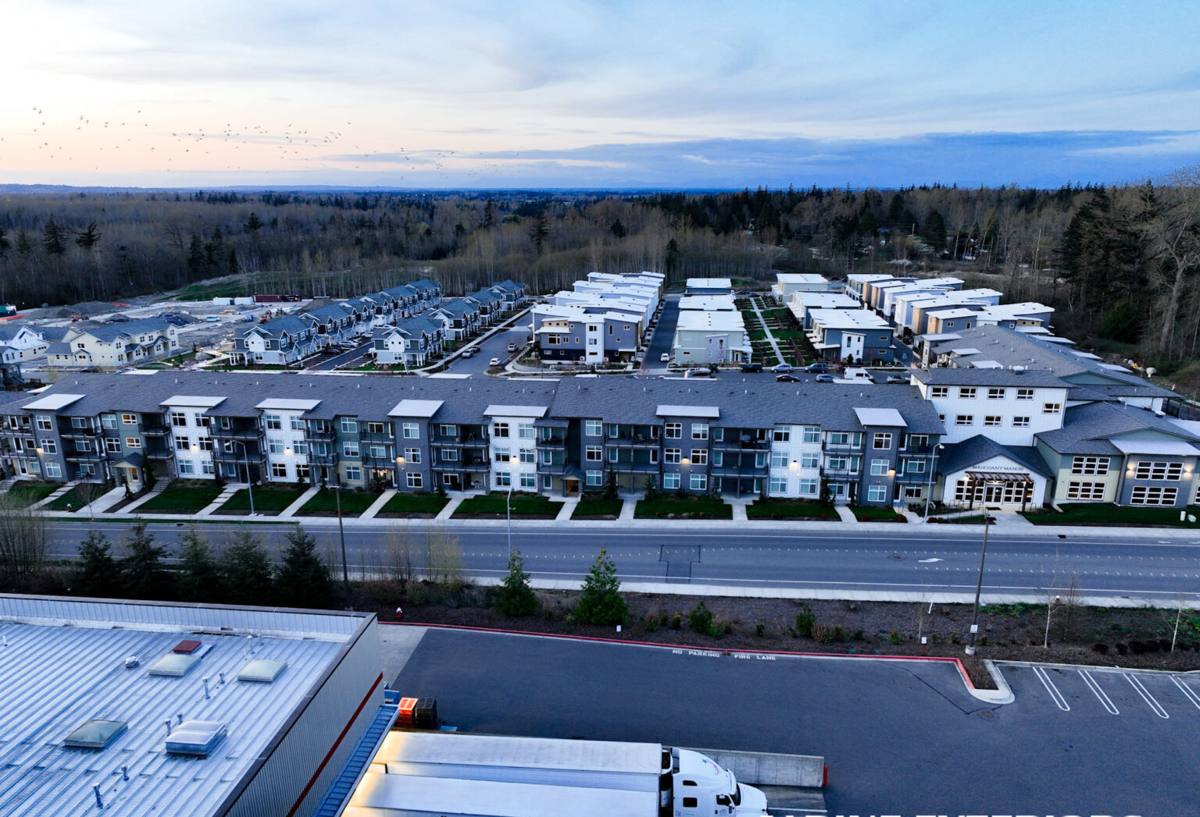
Bayside sits close enough to Port Gardner Bay and the broader Puget Sound shoreline that the siding on these homes works harder than siding a few miles inland. Marine air carries salt and moisture onto exterior walls almost daily, wind off the water drives rain sideways into seams and corners that would stay dry on a more sheltered lot, and the tree cover common throughout this part of Snohomish County keeps north- and shade-facing walls damp long after a storm passes. None of that is unusual for Everett. But it does mean a siding installation here has to be planned around water management from the first course to the last, not treated as an afterthought.
This page is about one job in one area: installing new siding on a Bayside home. If you want the broader case for why we only install James Hardie fiber cement, that's covered elsewhere on our site — here we're focused on what this location specifically demands and how we handle it.
What Salt Air, Driving Rain, and Moss Actually Do to Siding
Salt Air
Airborne salt is hygroscopic — it pulls moisture out of the air and holds it against whatever surface it lands on. On metal fasteners, trim, and flashing, that means accelerated corrosion if the wrong hardware was used. On the siding material itself, it means paint and coatings take more abuse than the same product would see a few miles inland, and any product that relies on a field-applied paint job will show fading, chalking, and touch-up needs sooner.
Driving Rain
Wind off the bay doesn't just add moisture — it adds pressure, pushing water into laps, butt joints, and penetrations that a calm rain would never reach. A siding system is only as good as its weakest lap or fastener pattern; get spacing or flashing wrong on a house exposed to driving rain and problems show up in years, not decades.
Moss and Shade
Snohomish County's long wet season and the tree canopy common around Bayside keep shaded walls and north exposures damp for extended stretches. Moss and algae need exactly that: shade, moisture, and time. Left unaddressed, growth holds water against the wall surface and, over years, can degrade caulking and coatings faster than sun-exposed sections of the same house.
What a Correct Installation Involves
Fiber cement siding is only as good as the install underneath it. The material itself is durable, but the water-management details behind and around it decide whether a house stays dry for decades or develops problems in five years. A correct installation in a location like Bayside includes:
The Weather-Resistive Barrier
A continuous, properly lapped weather-resistive barrier goes behind the siding on every wall — not just the exposed sides. In a location that gets wind-driven rain from multiple directions, treating any wall as "sheltered enough to skip" is how leaks start.
Flashing at Every Penetration
Windows, doors, hose bibs, light fixtures, and vents all break the plane of the wall, and each one needs proper flashing integrated with the weather barrier — not just caulked over. Caulk is a maintenance item, not a waterproofing strategy.
Fastener Choice and Placement
In a marine-air environment, fastener corrosion resistance matters more than it would inland. We follow manufacturer fastening schedules and use corrosion-resistant fasteners appropriate to coastal exposure, placed at the correct spacing and clearance from panel edges.
Clearances and Gaps
Fiber cement siding needs specific clearance from the ground, roofline, decks, and abutting trim to let water drain and the material dry out between rain events. Skipping these clearances to save a half-inch of reveal is one of the most common corner-cuts we see on re-sides.
The Factory Finish
We install ColorPlus factory-finished Hardie panels wherever the color selection allows, because a baked-on factory finish holds up to UV and salt exposure better than a field-applied coat, and it removes an entire category of workmanship risk from the job.
Our Process on a Bayside Job
- Walkthrough and assessment. We look at existing siding condition, moisture staining, moss patterns, and problem areas specific to your lot's sun and wind exposure before we quote anything.
- Scope and product selection. We recommend the Hardie product line, panel style, and finish that fit your home and this location — including where HardieZone HZ10 engineering matters most on wind- and rain-exposed walls.
- Tear-off and substrate check. Old siding comes off and we inspect sheathing for hidden rot or moisture damage before anything new goes up. Problems found here get addressed, not covered.
- Weather barrier and flashing installation. This is the step that determines long-term performance, and it's not one we rush to hit a schedule.
- Siding installation to manufacturer spec. Correct fastening, clearances, and lap details, on every wall — not just the street-facing ones.
- Trim, caulking, and final detail work. Clean lines at corners, window and door surrounds, and transitions.
- Final walkthrough. We go over the finished work with you before calling the job done.
Why We Only Install James Hardie
We standardized on James Hardie fiber cement because it's non-combustible, engineered for Pacific Northwest moisture exposure through the HardieZone HZ10 product line, and backed by a strong transferable warranty when installed to spec. We don't install vinyl, LP SmartSide, or other fiber cement alternatives — not because every one of those products is without merit, but because we'd rather stand fully behind one system we know performs in this climate than split our expertise across several. In a location with the salt air and moisture exposure Bayside sees, that consistency matters more than it would somewhere drier.
Cost Factors for a Bayside Siding Job
Every home is different, so we quote after a walkthrough rather than off a square-footage rule of thumb. That said, these are the factors that most commonly move the number up or down:
| Factor | Why It Matters Here |
|---|---|
| Existing siding removal | Tear-off of old vinyl, wood, or damaged siding adds labor and disposal cost |
| Sheathing repair | Moisture-exposed homes near the water more often need substrate repair once old siding comes off |
| Wall exposure and access | Multi-story walls, tight side yards, and steep grades common in this area affect staging and labor time |
| Panel style and finish | Lap width, shingle-style panels, and trim complexity change material and install time |
| Trim and detail work | Homes with more windows, dormers, or architectural detail need more precision flashing and cutting |
Why a Crew That Already Works This Area Is Worth It
A crew that's already installed siding on homes exposed to Port Gardner Bay's wind and salt air isn't guessing at fastening schedules or flashing details — they've seen what happens when those details get skipped on a house in this exact kind of exposure, and they build accordingly. That local pattern recognition covers things a written spec can't: which walls on a given lot orientation take the worst wind-driven rain, where moss tends to establish first, and how much clearance actually holds up once a Snohomish County winter sets in. Hiring locally isn't just convenience — it's fewer surprises during the job and fewer callbacks after it.
Maintaining Your Siding After Installation
Correctly installed Hardie siding is low-maintenance, not no-maintenance — especially this close to the water. A simple seasonal routine keeps it performing the way it's designed to:
- Rinse siding annually with a garden hose to clear salt residue and airborne grime, especially on walls facing the water
- Trim back vegetation and tree limbs that shade walls and slow drying, reducing moss and algae growth
- Inspect caulking at trim, windows, and penetrations yearly and re-caulk any cracked or separated joints
- Check for moss or algae on shaded, north-facing walls and treat early rather than letting it establish
- Keep gutters clear so overflow doesn't run down and pool against siding at the roofline
- Watch for soil, mulch, or deck buildup that reduces the clearance siding needs at the base of the wall
Signs Your Bayside Home May Need New Siding
Some warning signs are easy to miss until they've been developing for a while. Soft spots or visible bowing in existing siding, persistent moss or dark staining that comes back after cleaning, cracked or missing caulk at seams and trim, and paint that's failing faster than it should are all reasons to have a closer look — particularly on walls that face prevailing wind and rain off the water.
If your home in Bayside is due for new siding, or you're seeing any of the signs above, we're happy to take a look and give you a straightforward, no-pressure estimate — no obligation, just an honest read on where things stand.