 Everett
 Windows Built for What Snohomish Weather Actually Does
Snohomish sits close enough to Puget Sound and the Snohomish River corridor that homes here take on a specific mix of weather stress: salt-tinged air moving in off the water, long stretches of driving rain angled by wind, and a moss season that runs longer than most homeowners expect. None of that is dramatic on its own. What it does is slow, cumulative damage to window frames, sills, and seals that were never built to handle years of that combination. When we replace or install custom windows in this part of Everett, we're not just matching a homeowner's style preference — we're solving for how the window will hold up against the specific climate load this neighborhood sees every year.
A window that performs fine in a drier inland climate can fail early here. Wood trim swells and checks. Aluminum-clad frames corrode faster near salt air. Poor flashing details that would be a minor issue elsewhere become a real water intrusion problem when driving rain hits a wall assembly at an angle for days at a time. Custom windows done right account for all of that from the start.
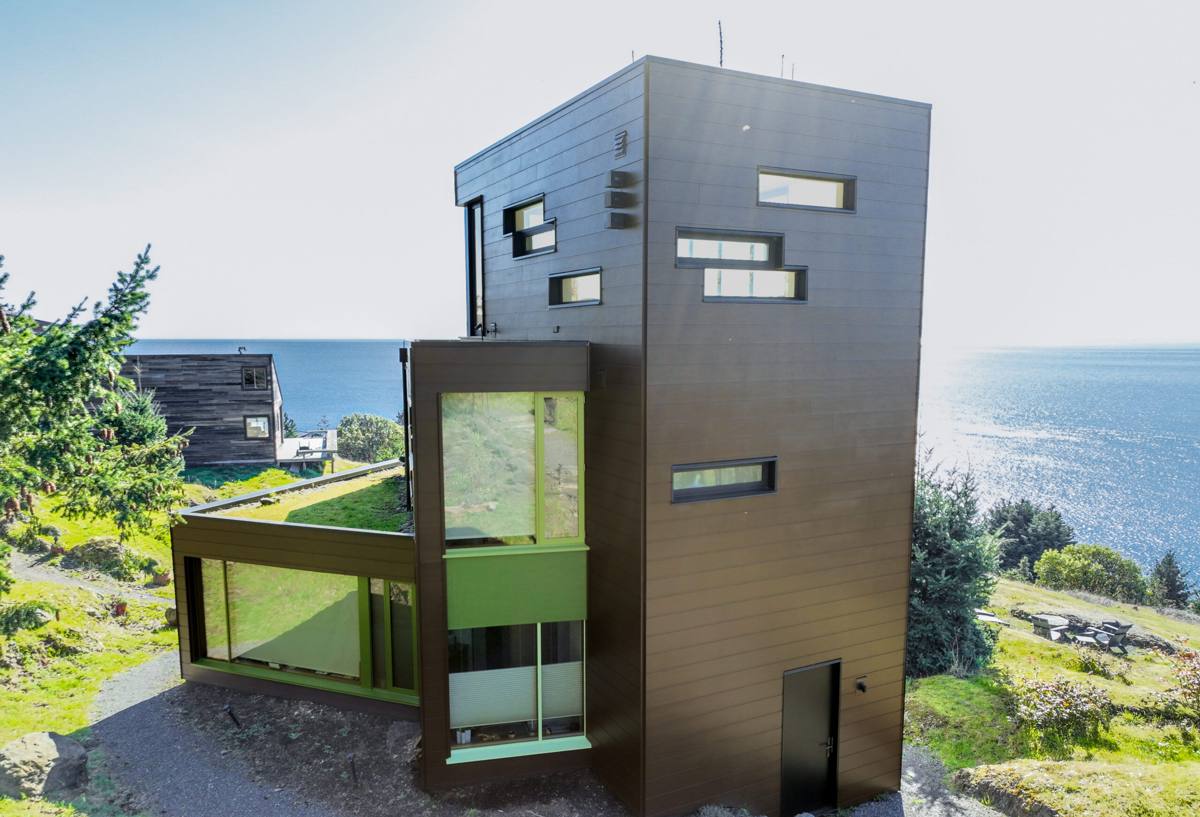
What "Custom" Actually Means Here
Custom doesn't mean expensive trim packages or unusual shapes for their own sake. It means the window is sized, framed, and detailed to fit the actual opening and the actual wall assembly on your specific home — not a stock size that gets shimmed and caulked into submission. In older Snohomish-area homes, especially anything built before modern energy codes, openings are rarely perfectly square or a standard size. Custom manufacturing lets us get a proper fit without compromising the flashing and weatherproofing underneath.
When Custom Sizing Matters Most
- Additions or renovated openings that don't match modern standard sizes
- Older homes with settled or slightly out-of-square framing
- Replacing a single unusual window (bay, picture, or specialty shape) without redoing the whole wall
- Matching sightlines and trim depth across a home with mixed window ages
- Upgrading frame material where the original window is corroding or rotting at the sill
Frame Materials: What Holds Up Near the Water
Material choice matters more here than in a lot of inland markets, because salt air and sustained moisture exposure will find the weak point in a frame system over time. There's no single "best" material for every home — it depends on budget, the home's style, and how exposed the elevation is to weather. Here's how the common options actually compare for this specific climate.
| Frame Material | How It Handles Salt Air & Rain | Maintenance | Typical Fit |
|---|---|---|---|
| Vinyl | Doesn't corrode or rust; handles moisture well | Low — occasional cleaning | Most Snohomish-area homes, best value |
| Fiberglass | Very stable in wet, salt-exposed conditions; minimal expansion/contraction | Low | Higher-exposure elevations, long-term durability priority |
| Wood | Needs consistent sealing to resist rot and swelling near salt air | High — regular refinishing | Historic-style homes where owner accepts upkeep |
| Aluminum-clad wood | Cladding protects wood but can show corrosion near coastal exposure over time | Moderate | Homes wanting a wood interior look with some exterior protection |
Our default recommendation for most Snohomish jobs is vinyl or fiberglass, simply because they hold up with the least maintenance against the salt air and rain load this area sees. We'll still install what a homeowner wants — but we tell people upfront what the maintenance trade-off looks like on a wood or clad frame near the water, rather than letting them find out five years in.
Moss Season and Why It's a Window Problem, Not Just a Roof Problem
Everyone thinks about moss on roofs. Fewer people think about what a long moss season does around window trim, sills, and the top of window headers — especially on north-facing walls or under overhangs that stay damp for months. Moss and organic growth hold moisture against wood trim and caulked joints far longer than open air would, which accelerates rot at exactly the points where a window seal depends on dry, stable material underneath it. Part of doing a window job right in this area is making sure trim and flashing details shed water and dry out quickly, rather than creating a shelf where moisture and debris can sit.
What a Correct Installation Involves
The window unit itself is only part of the job. Most window failures we get called out to fix — leaks, drafts, fogged glass, soft trim — trace back to installation details, not the window product itself. A correct install in a climate like this includes:
- Removing the old window and inspecting the rough opening for hidden rot or water damage before anything new goes in
- Proper flashing integration with the existing water-resistive barrier, lapped correctly so water sheds outward, not behind the siding
- Sill pan flashing at the base of the opening, which gives any water that does get past the window a way out instead of a place to sit
- Continuous, correctly sized sealant beads at the right joints — not sealant used as a substitute for proper flashing
- Insulating the gap between the window frame and rough opening without over-packing it, which can bow the frame
- Interior and exterior trim work that's sealed and finished to shed water, not just look finished
Skipping any one of these steps can look fine for a year or two before a problem shows up — which is exactly why installation quality matters more than most homeowners realize when they're comparing quotes.
Our Process for a Snohomish Window Job
1. On-Site Assessment
We look at each opening individually — framing condition, existing flashing, sun and rain exposure on that elevation, and whether there's any sign of past water intrusion. This is also where we talk through material and style options based on what actually makes sense for that wall.
2. Accurate Measurement and Custom Order
Openings get measured precisely rather than assumed. Custom units are ordered to the real dimensions of your home, not rounded to the nearest stock size.
3. Removal and Opening Inspection
Old windows come out carefully so we can see the condition of the framing and sheathing underneath before anything new is installed. If there's hidden rot or water damage, we address it before the new window goes in — not after.
4. Flashing, Installation, and Sealing
New windows go in with proper flashing sequencing, sill pan protection, and sealant detailing suited to this area's rain exposure.
5. Trim, Cleanup, and Final Check
Interior and exterior trim is finished, operation is tested on every unit, and the site is cleaned up before we consider the job done.
Signs Your Current Windows Are Losing the Fight
A lot of homeowners live with early warning signs for years before replacing windows, mostly because the symptoms come on gradually. Worth checking for:
- Soft or discolored wood trim around the frame, especially at the bottom sill
- Persistent fogging or moisture between panes of double-glazed units
- Drafts you can feel near the frame edge on a windy, rainy day
- Difficulty opening, closing, or latching that didn't used to be there
- Visible corrosion on metal hardware or aluminum-clad frames
- Musty smell or soft drywall near the interior sill
Any one of these on its own isn't necessarily urgent. Several together, especially on a wall that takes direct rain, usually means it's time to have someone take a closer look before it turns into a larger repair.
Why a Crew That Already Works Snohomish Matters
Window installation quality is judged over years, not on move-out day. A crew that regularly works Snohomish and the greater Everett area already knows which elevations take the hardest weather, how local framing from different building eras tends to be built, and what flashing details actually hold up against sustained coastal rain rather than just passing a quick inspection. That local repetition is what keeps callbacks low — it's the difference between a window installed to a generic standard and one installed for the specific conditions it has to survive here in Snohomish County.
We also stand behind the work with warranty coverage on both the product and our installation labor, so if something does come up, you're not stuck figuring out who's responsible.
Get a Straightforward Estimate
If your windows are showing their age, or you're planning a renovation that needs properly sized custom units, we're happy to come take a look and give you a straightforward, no-pressure estimate. There's a form below this page — reach out and we'll get a time on the calendar to assess your home's specific needs.