 Everett
 Why Snohomish Homes Need a Different Approach to Windows
Snohomish sits close enough to Puget Sound and the Snohomish River valley that homes here deal with a specific combination of weather stress: salt-tinged marine air, long stretches of driving rain off the water, and a moss season that can run from October well into spring. None of that is dramatic on its own, but stacked together year after year, it's exactly the kind of slow, steady exposure that finds every weak point in a window installation. Old aluminum-frame windows, gapped flashing, or seals that were never properly bedded don't fail all at once — they fail a little more every wet season until a homeowner notices fogging between panes, drafts at the sill, or soft trim that shouldn't be soft.
Energy-efficient windows done right aren't just about a lower heating bill, though that's real. In this part of Snohomish County, the bigger win is a window system that keeps water out, resists the moisture load that feeds moss and mildew, and holds its seal through decades of Pacific Northwest weather cycles.
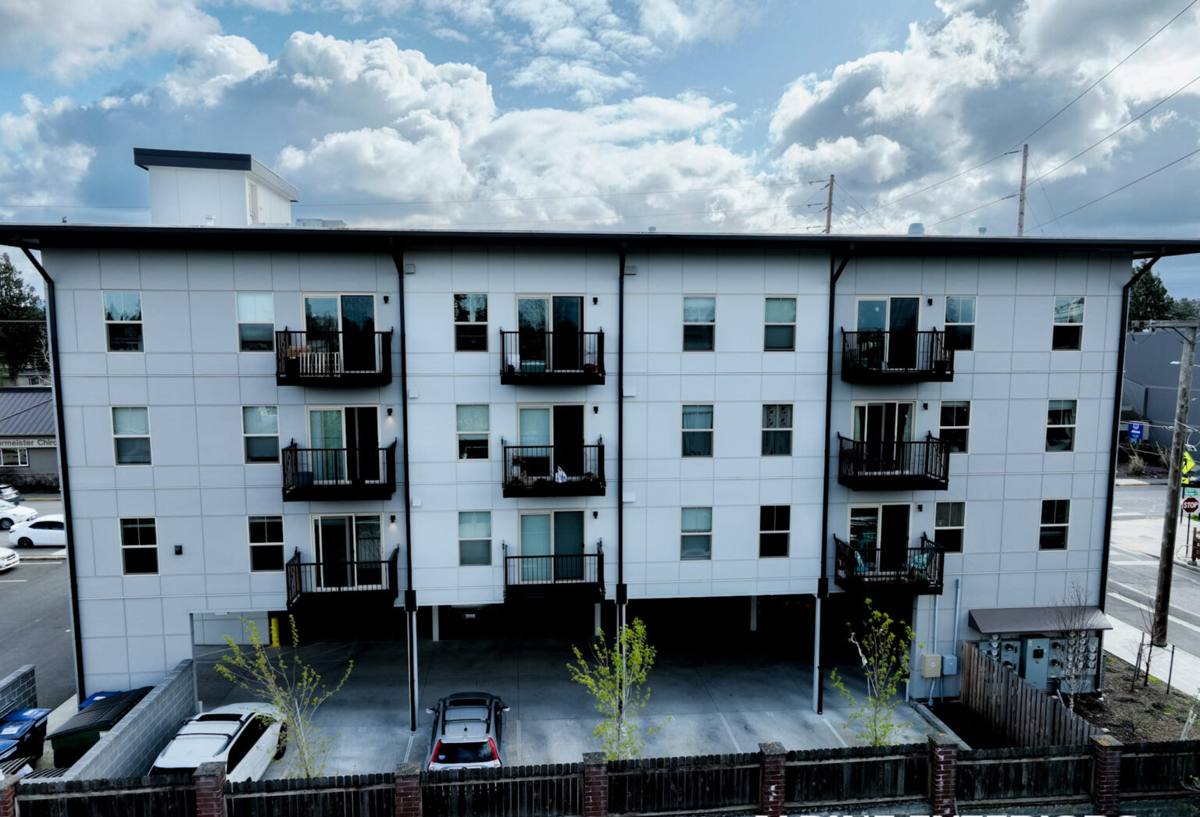
What "Energy-Efficient" Actually Means for This Climate
Energy-efficient window marketing gets thrown around loosely. For a Snohomish home, what actually matters is a shorter list than most people expect:
- Low-E coatings tuned for our mild, overcast climate — they cut heat loss in winter without the aggressive solar-blocking glass built for hot, sunny regions we don't really have here.
- Multi-point locking hardware that compresses the sash evenly against the weatherstripping, which matters more in wind-driven rain than in still, dry climates.
- Warm-edge spacers between panes that resist condensation at the glass edge — a common complaint in homes with older double-pane windows during our cold, damp mornings.
- Properly sized weep systems so any water that does get past the outer seal has somewhere to go instead of sitting in the frame.
A window can carry a great energy rating on paper and still perform poorly here if the installation doesn't account for wind-driven rain and constant humidity swings. The glass package matters, but the flashing, sill pan, and sealant detail around it matter just as much.
U-Factor and Solar Heat Gain, in Plain Terms
Two numbers show up on every window's energy label: U-factor (how much heat escapes through the window — lower is better) and Solar Heat Gain Coefficient, or SHGC (how much solar heat passes through — also lower is generally better in our climate, since we're heating more than cooling). For Snohomish homes, we generally steer clients toward a lower U-factor first, since keeping heat in during our long wet winters saves more than blocking sun we don't get much of. SHGC becomes more relevant on south- and west-facing rooms that get real afternoon sun in summer.
How Salt Air, Rain, and Moss Actually Damage Windows
Salt Air
Homes closer to the Sound deal with airborne salt that accelerates corrosion on unprotected metal hardware — hinges, cranks, and lock mechanisms in particular. It's a slow process, but over a decade or two it's the difference between hardware that still operates smoothly and hardware that seizes up or corrodes visibly.
Driving Rain
Wind-driven rain doesn't just fall straight down — it pushes sideways against the wall and window assembly, which is why flashing detail and sill pan design matter as much as the window unit itself. A window can be excellent and still leak if the opening around it wasn't properly flashed and sealed before installation.
Moss and Moisture
Our long moss season is really a symptom of extended moisture exposure. Moss and mildew don't just grow on roofs — they take hold on window sills, trim, and cladding wherever water lingers instead of draining. Windows with poor drainage paths or trim that traps moisture against the wood give moss exactly the damp, shaded conditions it needs to establish.
What a Correct Window Installation Involves
The window itself is maybe half the job. The other half is everything around it, and it's where most problems either get prevented or get built in permanently.
- Remove and inspect. We pull the old window and check the rough opening, sheathing, and framing for hidden rot or water staining before anything new goes in.
- Sill pan flashing. A properly sloped, sealed sill pan gives any water that does get past the window a clear path back outside instead of into the wall cavity.
- Set and shim. The window gets set level, plumb, and square, shimmed correctly so the frame isn't under stress that can throw off the seal over time.
- Flash the perimeter. Flashing tape and building paper get integrated in the correct shingle-lap order — top piece over the side pieces, side pieces over the sill — so water always sheds outward and down.
- Insulate the gap. Low-expansion foam or backer rod and sealant fills the gap between frame and rough opening without bowing the window frame.
- Seal and trim. Exterior caulking, interior trim, and final hardware adjustment finish the job and get inspected for smooth operation.
Skip or rush any one of those steps and you can end up with a window that looks fine and still leaks or fogs within a few years — which is why so many "window problems" we get called out for turn out to be installation problems, not product defects.
Choosing the Right Window Type for a Snohomish Home
| Window Style | Where It Works Well Locally | Trade-Offs |
|---|---|---|
| Vinyl double-hung | Most retrofit and remodel projects; budget-friendly, low maintenance | Frame profile is thicker than fiberglass; hardware quality varies by manufacturer |
| Fiberglass frame | Homes exposed to more direct weather or salt air; longer-term durability | Higher upfront cost |
| Casement (crank-out) | Walls that take direct wind-driven rain; compresses tight against the seal when locked | Crank hardware needs occasional maintenance, especially with salt air exposure |
| Sliding/gliding | Wide openings, decks, and rooms wanting more glass without swing clearance | Track can collect debris and needs periodic cleaning to keep the seal working well |
We don't push one style as universally "best." A casement window's compression seal handles wind-driven rain a little better than a slider, but a slider might be the right call for a specific opening or budget. The honest answer depends on the wall's sun and rain exposure, the home's age, and what the homeowner actually wants to live with day to day.
Frame Materials, Honestly
Vinyl is the right choice for most Snohomish homes — it doesn't corrode, it doesn't need painting, and modern multi-chambered vinyl frames perform well thermally. Fiberglass costs more but holds up marginally better under sustained direct weather exposure and expands/contracts less across our seasonal temperature swings. We steer people away from bare aluminum-frame replacements in this climate — aluminum conducts heat and cold directly through the frame, which shows up as condensation and higher energy loss, and it's more susceptible to the corrosion issues that salt-tinged air can accelerate over time. That's a performance trade-off we're upfront about, not a knock on any particular brand.
Our Process for Snohomish Window Projects
We keep the process straightforward because most homeowners just want to know what's happening and when:
- Walkthrough and measure. We look at each opening, check for existing water damage or rot, and measure precisely rather than working off rough estimates.
- Straightforward quote. You get a written estimate that spells out window specs, flashing approach, and timeline — no vague allowances.
- Scheduled install. We work efficiently to minimize how long any opening sits exposed, which matters more here than in drier climates.
- Final walkthrough. We check operation, locks, and seals with you before calling the job done.
Maintenance That Actually Extends Window Life Here
A good installation gets you most of the way, but a little seasonal attention goes a long way in this climate:
- Clear debris from weep holes and tracks each fall before the rainy season sets in.
- Rinse salt residue off exterior hardware and frames periodically if you're closer to the water.
- Keep gutters and downspouts clear so roof runoff isn't sheeting down across window heads.
- Wipe down sills after heavy moss growth nearby, since damp organic debris against a frame is exactly what accelerates wear.
- Have hardware lubricated occasionally, especially cranks and locks, since salt air stiffens mechanisms faster than it would inland.
Why Local Experience Matters More Than It Sounds
Window installation isn't exotic work, but the details that make it hold up for twenty years in Snohomish are different from the details that matter in a dry climate. A crew that's used to installing in Arizona or even eastern Washington isn't automatically thinking about sill pan slope, shingle-lap flashing order, or weep path clearance the way a crew that works Snohomish County rain year-round already does by habit. When we quote a window job here, the flashing and drainage plan isn't an upsell — it's just what a correct install looks like in this climate, and it's baked into the price from the start.
If you're weighing replacement windows or want a second opinion on drafts, fogging, or moisture issues around your current ones, we're happy to take a look. Reach out for a free, no-pressure estimate using the form below.