 Everett
 Storm Damage Roof Repair Built for Forest Park's Conditions
Forest Park is one of the more heavily treed residential pockets in Everett, sitting close to the park and zoo that give the neighborhood its name. That tree cover is part of what makes the area appealing, but it also means roofs here take a different kind of beating than roofs out in open, exposed parts of Snohomish County. Storm damage in Forest Park is rarely just "wind stripped some shingles." It's usually a combination of wind, falling debris from mature trees, and the slow damage that comes from a roof that spends more of the year shaded and damp than it does dry.
This page is about one job, done right, in one neighborhood: storm damage roof repair for Forest Park homes. Not a general overview of roofing services — the specific work of assessing what a storm actually did to your roof, repairing it correctly, and doing it in a way that holds up through the next one.
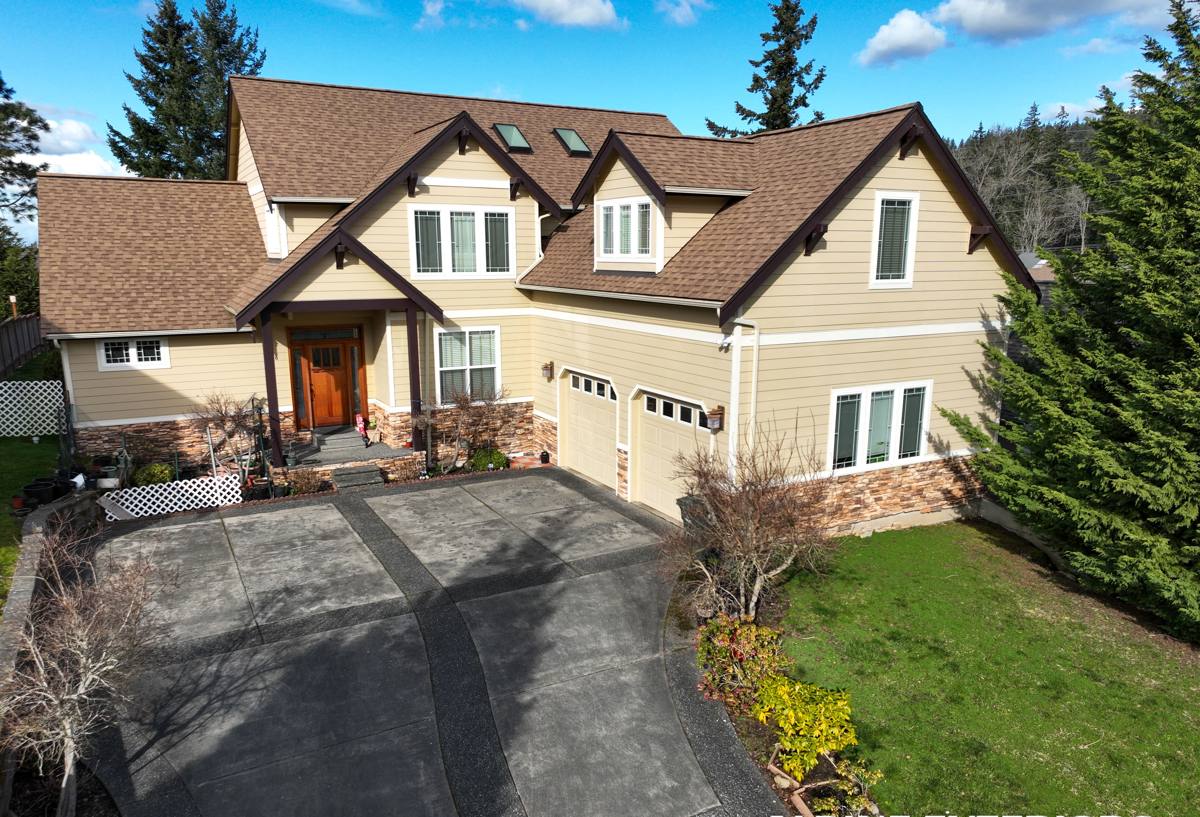
Why Forest Park's Tree Canopy Changes the Storm Damage Picture
Everett sits close enough to Puget Sound and Possession Sound that wind-driven rain is a regular part of fall and winter storms, not an occasional event. On its own, that's a challenge every roof in the region has to handle. Forest Park adds a second layer to it: a dense mix of mature evergreens and deciduous trees close to many homes.
During a windstorm, that canopy does two things at once. It breaks up some of the direct wind load on the roof deck, which can actually help in a straight-line wind event — but it also sheds branches, cones, needles, and occasionally full limbs onto the roof. A branch strike can crack shingles, puncture underlayment, or knock a section of flashing loose without leaving damage that's obvious from the ground. Meanwhile, the same tree cover that blocks wind also blocks sun, which means Forest Park roofs dry out slower after every storm and stay damp longer through the winter. That combination — physical debris impact plus extended moisture exposure — is the core reason storm damage repair here needs to be assessed differently than it would be on a roof out in an open subdivision.
The Moss Factor
Snohomish County's long moss season is worse on shaded roofs, and Forest Park has more shade than most Everett neighborhoods. Moss itself doesn't cause storm damage, but it changes how a roof responds to one. Moss holds water against the shingle surface, lifts shingle edges over time, and can mask the early signs of a leak until it's already reached the decking. After a storm, we specifically check moss-heavy areas first, because that's usually where existing wear turns into an active leak once wind or impact adds a second problem on top of it.
Common Types of Storm Damage We Find on Forest Park Roofs
Not all storm damage looks the same, and the right repair depends on correctly identifying which of these you're actually dealing with — sometimes more than one at once.
| Damage Type | What Causes It Here | What It Looks Like |
|---|---|---|
| Wind-lifted or torn shingles | Gusts off the Sound catching an edge, especially on older or moss-loosened shingles | Missing shingles, exposed nail heads, shingles curled or creased |
| Impact damage | Falling branches, cones, or debris from Forest Park's tree canopy | Cracked or dented shingles, punctures, granule loss in a concentrated spot |
| Flashing failure | Wind flexing the roof deck, or debris striking flashing around chimneys, vents, and valleys | Water stains near penetrations, visible gaps or bent metal |
| Moisture intrusion under moss | Long-standing moss combined with a storm event that finally pushes water past a weak point | Interior ceiling stains that appear after, not during, a storm |
| Gutter and edge damage | Wind-blown debris and heavy runoff overwhelming clogged gutters | Sagging gutters, water marks on fascia, pooling at the roofline |
What a Correct Storm Damage Repair Actually Involves
A storm damage repair that's done right isn't just replacing what's visibly broken. It has three parts:
1. Full-Roof Assessment, Not Just the Obvious Spot
If a branch cracked three shingles, we're not just replacing three shingles. We check the surrounding field for granule loss, lifted tabs, and stress cracks that the same wind event likely caused but that haven't failed yet. Storm damage tends to cluster — where you find one problem, there are usually smaller ones nearby that will turn into leaks over the following months if they're skipped.
2. Matching the Repair to the Existing Roof System
Underlayment, flashing details, and shingle type all have to match or properly integrate with what's already on the roof. A patch that uses the wrong underlayment or flashing profile can actually create a new leak path even if the visible shingle work looks fine.
3. Addressing the Underlying Cause, Not Just the Symptom
If moss contributed to the failure, the repair should include moss removal and a plan to slow regrowth in that spot — otherwise the same section fails again next storm season. If a specific tree limb is a recurring risk, we'll say so plainly, even though tree work itself isn't something we do.
Our Process, Start to Finish
- Initial inspection. We walk the roof (not just look from the ground) and document damage with photos before any repair begins — this matters for insurance as much as for the repair plan itself.
- Emergency mitigation, if needed. If there's an active leak or exposed decking, we tarp or dry-in the affected area first to stop water intrusion while the full repair is scheduled.
- Written scope and estimate. You get a clear breakdown of what's damaged, what needs to be repaired versus replaced, and why — no vague line items.
- Repair. Matching materials, proper flashing and underlayment integration, and cleanup of debris and old material.
- Final walkthrough. We show you what was done and what to watch for, particularly in moss-prone or shaded sections of the roof.
Insurance and Storm Damage: What Homeowners Should Know
Many storm damage repairs in Forest Park are covered in part by homeowners insurance, but coverage depends on the cause and the condition of the roof before the storm. A roof with significant pre-existing moss damage or wear may see a claim partially denied or adjusted, since insurers distinguish between sudden storm damage and gradual deterioration. This is exactly why documentation matters — clear photos and a written assessment from before repairs begin give you (and your adjuster) an accurate record of what the storm caused versus what was already there. We provide that documentation as a standard part of the inspection, whether or not you end up filing a claim.
Cost Factors for Storm Damage Roof Repair
Every roof and every storm is different, so a real number only comes from an on-roof inspection. In general, though, the biggest factors that move the price are:
| Factor | Why It Matters |
|---|---|
| Extent of shingle damage | A handful of shingles is a straightforward patch; widespread wind or impact damage may mean a section replacement |
| Flashing and penetration involvement | Flashing repairs require more careful integration and labor than field shingle swaps |
| Decking condition underneath | If water reached the decking, repair scope grows to include sheathing, not just the roof surface |
| Roof pitch and access | Steeper roofs and limited access around mature trees can add labor time |
| Moss and moisture remediation | Removing moss and treating affected areas is often bundled into a storm repair when it contributed to the damage |
After-the-Storm Checklist for Forest Park Homeowners
After any significant wind or rain event, it's worth doing a quick check before the next storm compounds a small problem. From the ground and safely, look for:
- Shingles or granules collecting in gutters or on the ground around the house
- Visible gaps, dents, or discoloration on the roof surface
- New or worsening stains on interior ceilings, especially near chimneys or vents
- Branches or debris resting on the roof, even if they look like they "just landed there"
- Sagging or pulling-away gutters, particularly on the side of the house facing the prevailing wind
- Moss that looks disturbed, lifted, or newly waterlogged compared to before the storm
If you see any of these, it's worth getting a roof looked at promptly rather than waiting — a small storm-related opening tends to get worse with the next rain, not better.
Why a Local Everett Crew Matters for Forest Park
Storm damage repair is time-sensitive in a way a lot of other roofing work isn't. Every day a punctured or lifted section sits exposed is another chance for driving rain to work its way further into the roof system. A crew that already works in Everett and knows Forest Park specifically — the tree cover, the shade patterns, the way certain streets and lots tend to hold moisture longer than others — can get to your roof faster and knows what to check first without needing to relearn the neighborhood's quirks on your dime.
There's also a permitting and code angle: Everett and Snohomish County have their own requirements for reroofing and repair work, and a local crew handles that as routine rather than something to figure out mid-project. That local familiarity doesn't replace a proper inspection, but it does mean the inspection starts from the right assumptions instead of generic ones.
If a recent storm left you with damage in Forest Park, or you just want a roof checked over before the next one hits, we're glad to come take a look. The estimate is free, there's no pressure to book anything on the spot, and you'll get a straight answer about what's actually going on with your roof — simply fill out the form below to get started.