 Everett
 Why West Everett Windows Take More Punishment Than People Expect
West Everett sits close enough to the water and the weather patterns rolling off Puget Sound that its homes deal with a different combination of stresses than houses further inland in Snohomish County. Salt-laden air corrodes exposed metal hardware and fasteners faster than dry-climate manufacturers' warranties assume. Driving rain, pushed sideways by wind off the Sound, finds its way into any window assembly that isn't flashed and sealed correctly — not eventually, but often within the first wet season. And the long stretch of gray, damp months here means moss and algae get a real head start on any horizontal ledge, sill, or frame groove that holds moisture instead of shedding it.
None of that means West Everett needs exotic materials. It means the ordinary decisions — frame material, glazing, flashing detail, drainage path — have to be made correctly for this specific exposure instead of copied from a generic spec sheet. That's the difference between windows that look fine for two years and windows that actually perform for twenty.
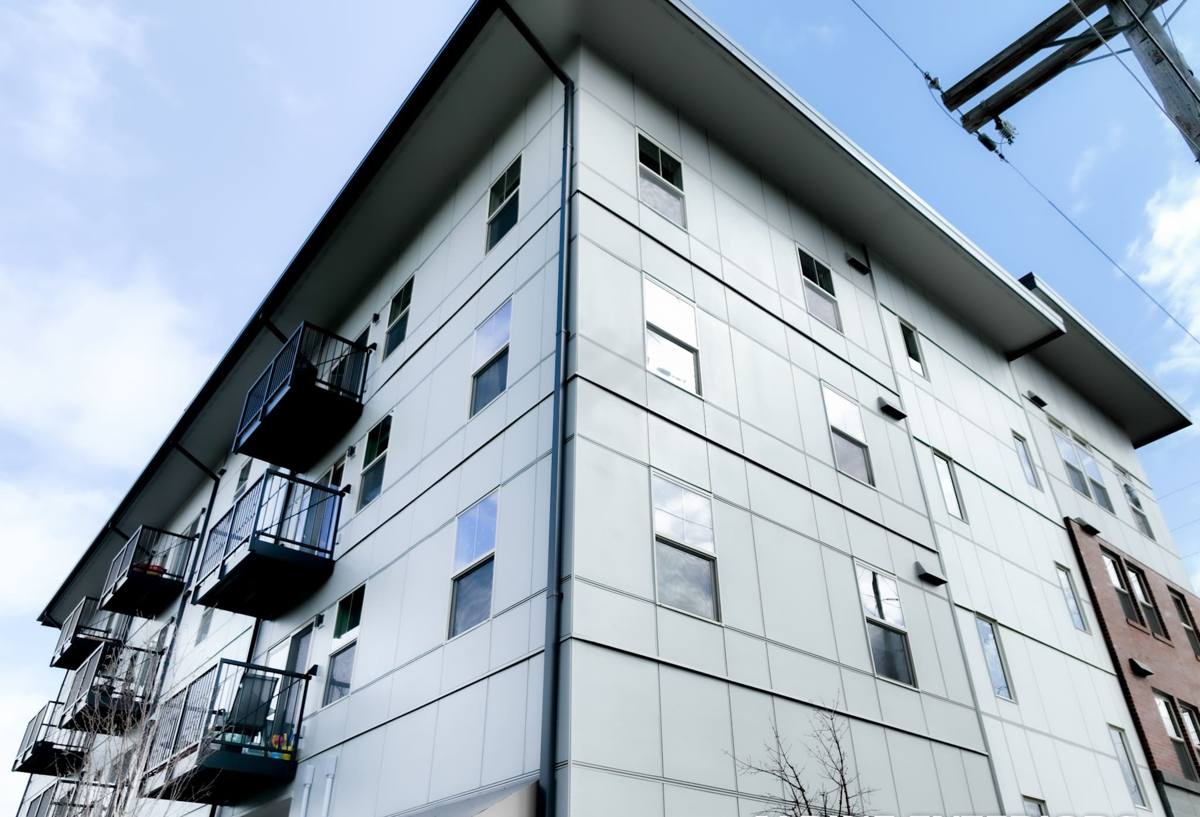
What "Custom" Actually Means Here
Custom windows doesn't mean unusual shapes or premium finishes for their own sake, though we do plenty of that too. In West Everett, custom most often means the window is built and installed to match conditions the stock big-box product wasn't designed for:
- Frame depth and reinforcement matched to the wall assembly of homes built in different decades across the neighborhood
- Glazing packages chosen for wind-driven rain exposure rather than just energy code minimums
- Sill pan and flashing details sized to shed water actively instead of relying on caulk alone
- Hardware and cladding chosen to resist salt-air corrosion, not just standard humidity
- Sizing and configuration built to the actual rough opening, not a nearest-standard-size compromise that leaves gaps to seal
A true custom job starts with measuring and evaluating the existing opening, not with picking a size off a shelf.
When Replacement Makes Sense vs. Repair
Not every window in a West Everett home needs full replacement. Sometimes the frame and glass are sound and the problem is a failed seal, worn weatherstripping, or a flashing detail that was never right. We look at the whole opening — frame, sash, glazing seal, and the flashing behind the trim — before recommending anything, because a repair that ignores a bad flashing detail just buys a year or two before the same rot shows up again.
Signs Your Windows Are Losing the Battle With This Climate
Homeowners in West Everett usually notice problems in a few consistent ways:
- Fogging or a permanent haze between panes — the sealed unit's seal has failed and moisture is trapped inside the glass
- Soft or discolored wood at the sill or bottom corners of the frame, often the first visible sign of water getting behind the trim
- Green or black growth building up in frame grooves or on the sill faster each year, a sign the surface isn't draining or drying between rain events
- Drafts or a noticeable temperature difference near the window on windy days, pointing to a failed seal or worn weatherstripping
- Hardware that's stiff, corroded, or won't latch fully — common on older aluminum or steel components exposed to salt air over years
- Visible gaps between the window frame and the exterior trim, which is a direct path for driving rain
Any one of these on its own might be minor. Several together, especially on the side of the house that catches the prevailing wind and rain, usually means the window and its flashing need real attention rather than a caulk-gun fix.
Material and Glazing Options — What Actually Holds Up
There's no single "best" window material for every home — it depends on the home's age, style, and exposure. Here's how the common options compare for a West Everett install specifically:
| Material | Salt Air / Moisture Behavior | Maintenance | Best Fit |
|---|---|---|---|
| Vinyl | Won't corrode; performs well against salt air and moisture when properly sealed | Low — occasional cleaning, no repainting | Most homes prioritizing value and low upkeep |
| Fiberglass | Excellent — dimensionally stable in wet, temperature-swinging conditions | Low | Larger openings, higher-exposure walls |
| Aluminum | Prone to corrosion and pitting near salt air unless heavily clad or coated | Higher — needs monitoring and occasional refinishing | Specific architectural or commercial-style needs |
| Wood (clad exterior) | Good if the exterior cladding is intact; bare wood exposure is a liability here | Moderate to high on any exposed wood surfaces | Homes prioritizing interior wood appearance |
On glazing, we generally recommend dual-pane units with a warm-edge spacer and a glazing package suited to wind-driven rain, rather than the baseline package many stock windows ship with. For west- and south-facing openings that take the brunt of Sound weather, we often spec a slightly heavier glazing and sealant detail than we would on a sheltered side of the same house.
How Our Process Works
1. On-Site Assessment
We start by looking at the actual opening — not just the window itself, but the flashing, sill, and surrounding wall assembly. This is where we catch existing water damage or a flashing detail that's been letting moisture in for years without an obvious symptom yet.
2. Measuring and Specifying
Every opening gets measured individually. On older West Everett homes especially, openings are rarely perfectly square or a standard size, and building to the actual dimensions avoids the gaps and shim-heavy installs that cause problems down the road.
3. Removal and Prep
Old windows come out carefully so we can inspect the framing and sill underneath. Any soft or water-damaged wood gets addressed before a new window goes in — installing a new window over a compromised sill just hides the problem temporarily.
4. Flashing and Sealing
This is the step that determines whether a window survives ten West Everett winters or ten months. We install sill pans and flashing to actively direct water out and down, not just rely on sealant to hold back water indefinitely — sealant fails eventually, and a good drainage path is the backup that keeps that failure from becoming a leak.
5. Setting and Finishing
The window gets shimmed, leveled, and fastened per the manufacturer's structural requirements, then insulated and trimmed. We check operation — smooth opening, closing, and locking — before calling the job done.
Mistakes We See in Existing West Everett Installs
A lot of the repair calls we get trace back to a handful of avoidable errors from a prior installation:
- Caulk used as the primary water barrier instead of proper flashing and a sill pan
- Standard-size replacement windows forced into openings they don't quite fit, leaving gaps packed with insulation and sealant alone
- Aluminum hardware or trim left unprotected in a high-salt-exposure location
- No slope or drainage path built into the sill, so water sits instead of shedding
- Trim reinstalled tightly against the frame with no gap for the wall to dry out if moisture does get behind it
Every one of these is a shortcut that saves an hour on installation day and costs a homeowner a repair bill two or three winters later.
What Affects the Cost of a Window Project Here
| Factor | Why It Matters in West Everett |
|---|---|
| Number and size of openings | Larger openings and multi-window walls need more structural and flashing attention |
| Existing water damage | Rotted sills or framing found during removal add repair scope before the new window goes in |
| Exposure of the wall | West- and south-facing walls exposed to driving rain often warrant a heavier glazing or flashing spec |
| Frame material chosen | Vinyl and fiberglass typically cost less over time than materials needing ongoing maintenance |
| Custom sizing vs. stock | True-to-opening custom sizing costs more up front but avoids gap-filling shortcuts |
We give a firm, itemized quote after the on-site assessment — not a phone estimate — because the flashing and framing condition behind the old window genuinely changes the scope of the job, and we'd rather tell a homeowner that upfront than discover it mid-project.
Why Hiring a Crew That Already Works West Everett Matters
Window installation done right depends on understanding how a specific location's weather actually behaves against a specific wall — not a generalized climate zone rating. A crew that regularly works West Everett homes already knows which orientations take the worst of the wind-driven rain, how quickly moss establishes on a poorly draining sill in this specific microclimate, and which older construction styles in the area tend to have particular flashing quirks. That local pattern recognition means fewer surprises during removal and a spec that's right the first time, rather than a generic install that gets adjusted after a problem shows up.
It also means faster response if something does need attention after the install — a local crew isn't juggling travel time from across the county to get back out to check a seal or adjust hardware.
Living With Windows in a Salt Air, Moss-Prone Climate
Even a correctly installed window benefits from a little seasonal attention in this climate. A short annual routine goes a long way:
- Rinse sills and frame grooves periodically to clear salt residue and prevent moss or algae from getting a foothold
- Check weatherstripping each fall before the wet season sets in, and replace it if it's compressed or cracked
- Keep an eye on any exposed hardware for early corrosion, especially on window sides facing prevailing wind
- Clear debris from window wells and drainage weep holes so water has somewhere to go
- Inspect exterior caulk lines annually — caulk is a backup to flashing, not a permanent seal, and it does wear out
None of this is complicated, but skipping it in a climate this consistently wet is how a well-installed window ends up needing early attention anyway.
If your West Everett home has windows showing any of these signs, or you're planning a full replacement and want it done with this specific climate in mind, we're happy to come take a look. Fill out the form below for a free, no-pressure estimate — we'll assess the actual condition of your windows and openings and give you a straight answer on what's needed.